Brushed
Explore our brushed and lightly brushed wood floors. Surface brushing enhances the natural timber grain and unique characteristics, introducing subtle texture and definition. The deeper the brushing, the more tactile the grain.
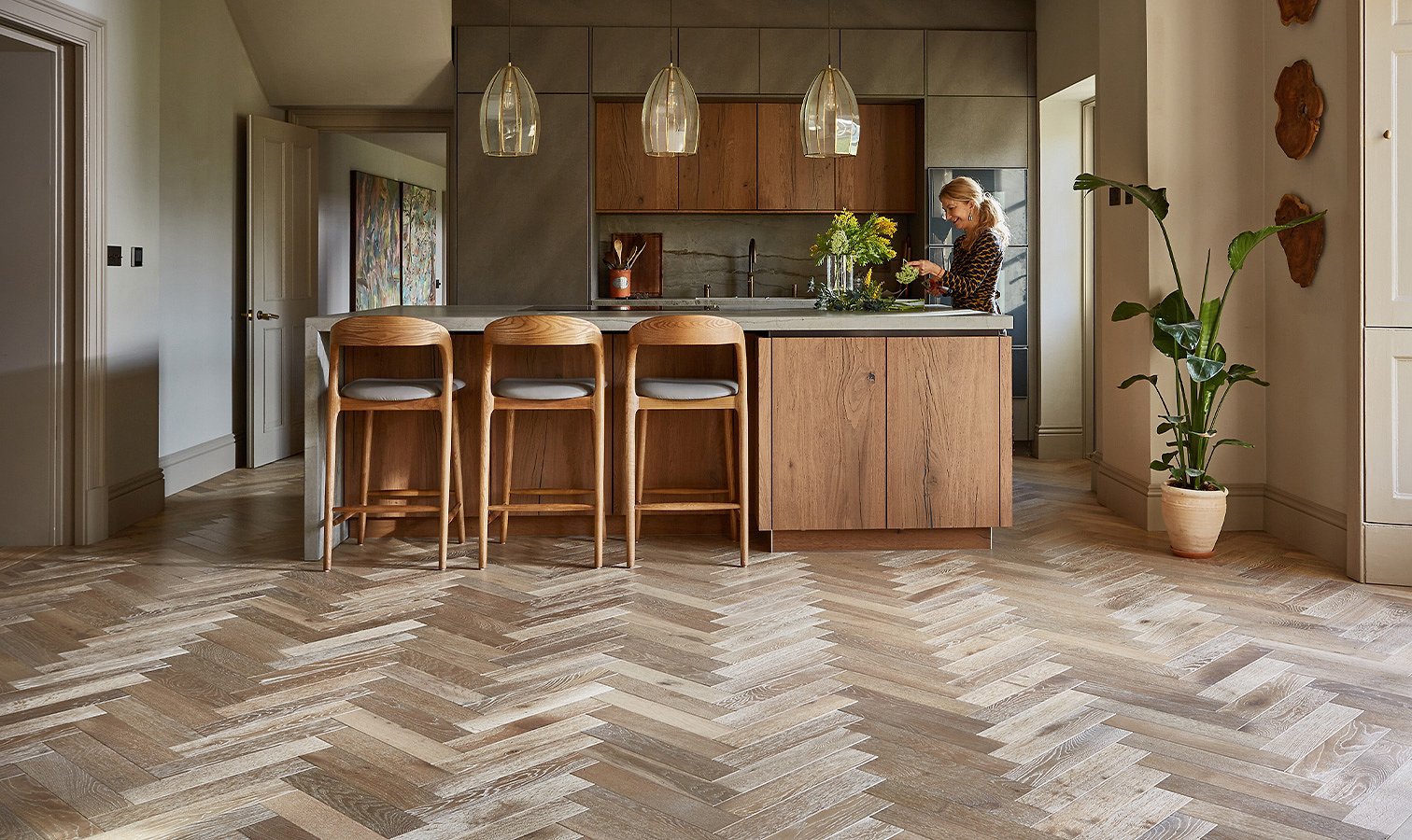


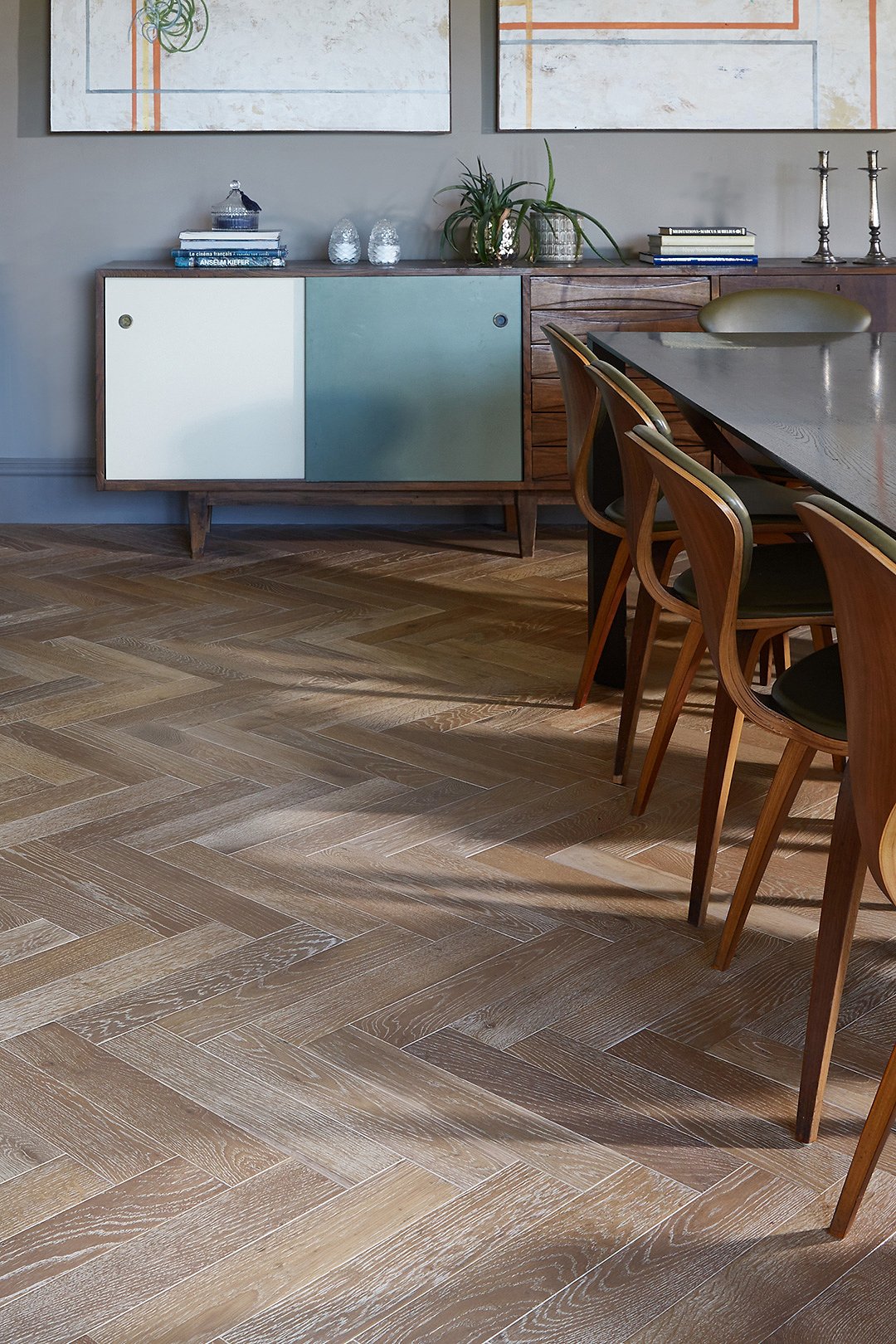


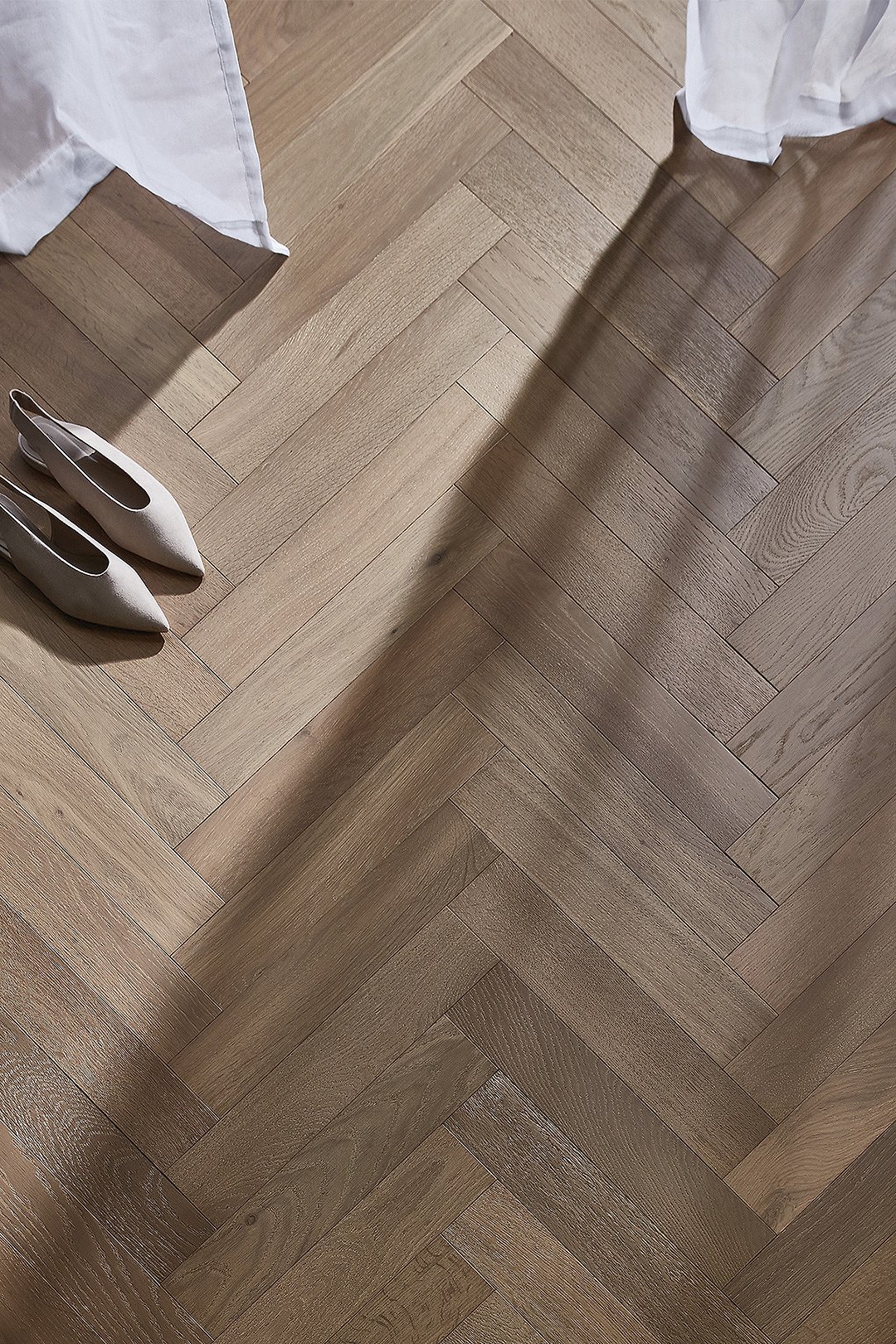


Showing 16 of 129 floors
Load more floorsEverything people ask about brushed floors
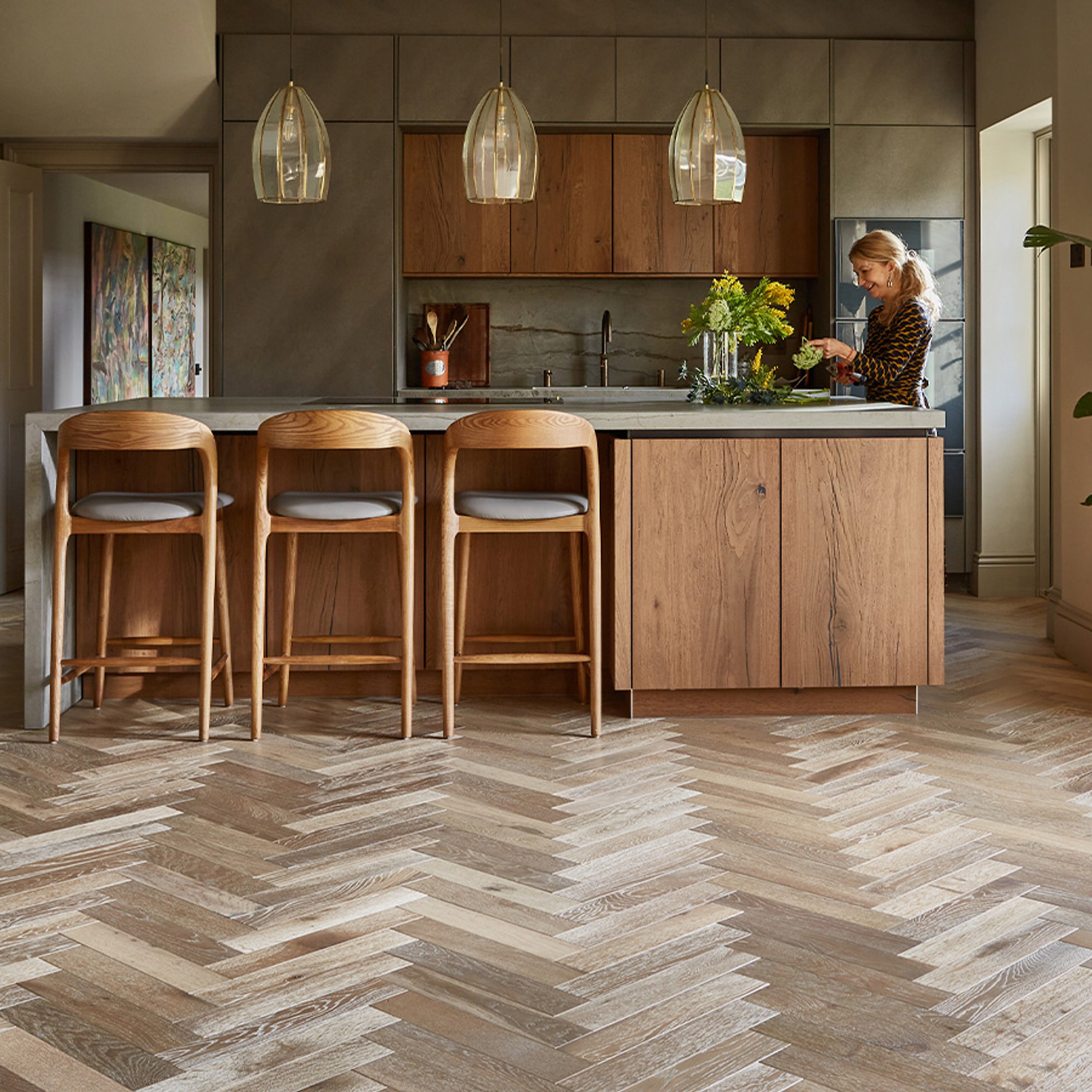
Brushing is a texturing process worked into the surface of the wood, opening up the grain and bringing it into clearer relief. We describe brushed and lightly brushed surfaces as textures that reveal the grain and give a floor more character. The degree of brushing varies from floor to floor, so some have a more pronounced texture underfoot, while others are brushed more lightly for a subtler feel.
A brushed texture is created by working the surface of the timber with brushes. This emphasises the natural grain and produces a more tactile finish. The final texture depends on the number and intensity of the brushing, sanding and smoothing processes used.
Brushed flooring feels more textured than a smooth, finely sanded floor, but it is not necessarily rough. Some boards are lightly brushed for a subtle finish, while others have a more pronounced grain. Viewing our floors at a Ted Todd Design Centre is the most reliable way to compare the texture and see how it responds to light.
Care requirements are determined by the floor’s finish as well as its texture. Ted Todd recommends different care systems for lacquer based and oil based finishes, with specialist products for white toned floors. Check the specification of your chosen product before selecting a cleaning or maintenance treatment.
Ted Todd brushed floors are available in several formats including wide plank, narrow herringbone, herringbone and more. Availability differs between products and can change, so use the Pattern filter on this brushed flooring page to check which plank, herringbone, chevron and geometric options are currently offered.
A brushed floor has a more pronounced grain and a more tactile surface. Smooth flooring is finely sanded to create a flatter, more uniform appearance. The choice affects how the timber feels and how light moves across the boards, rather than simply changing the colour.