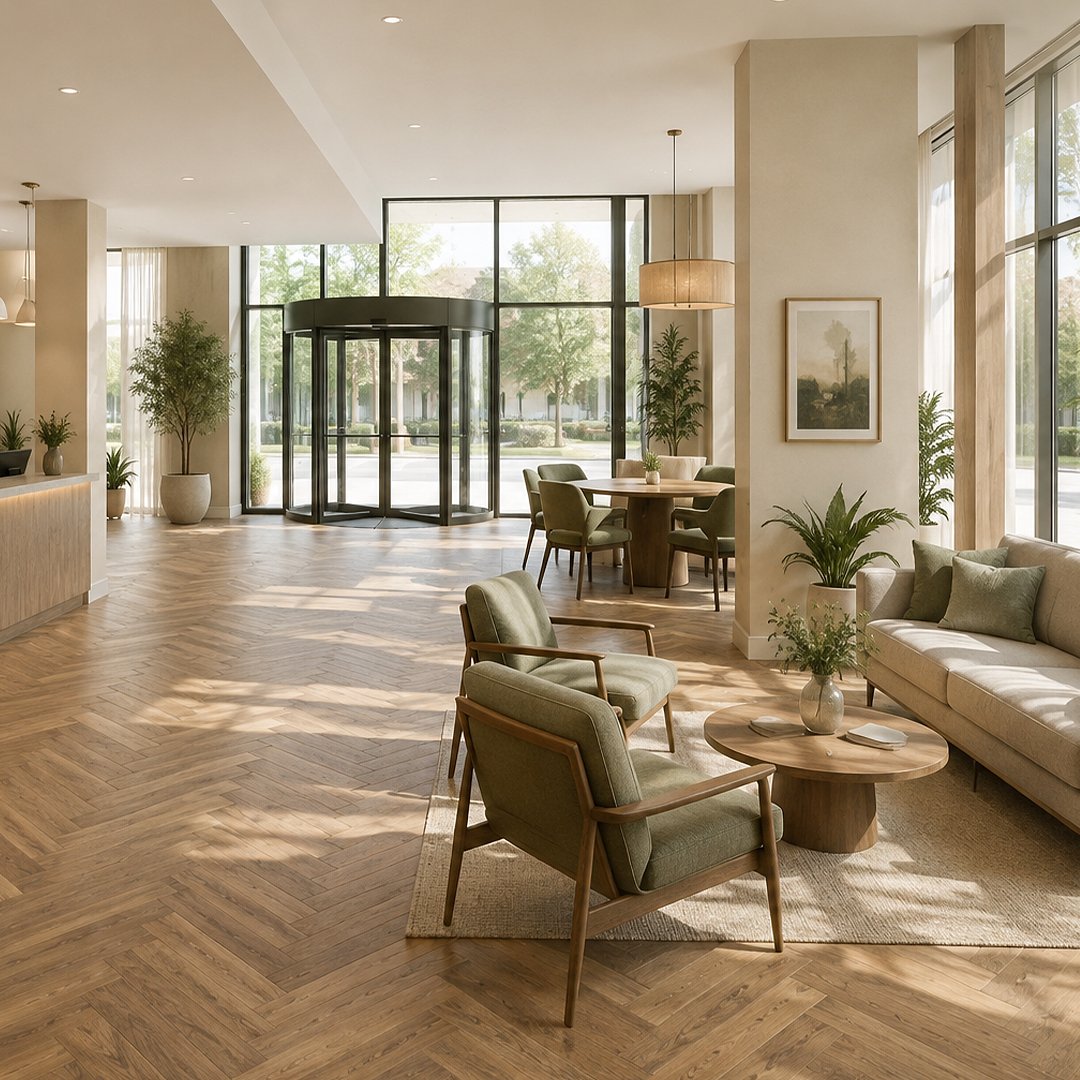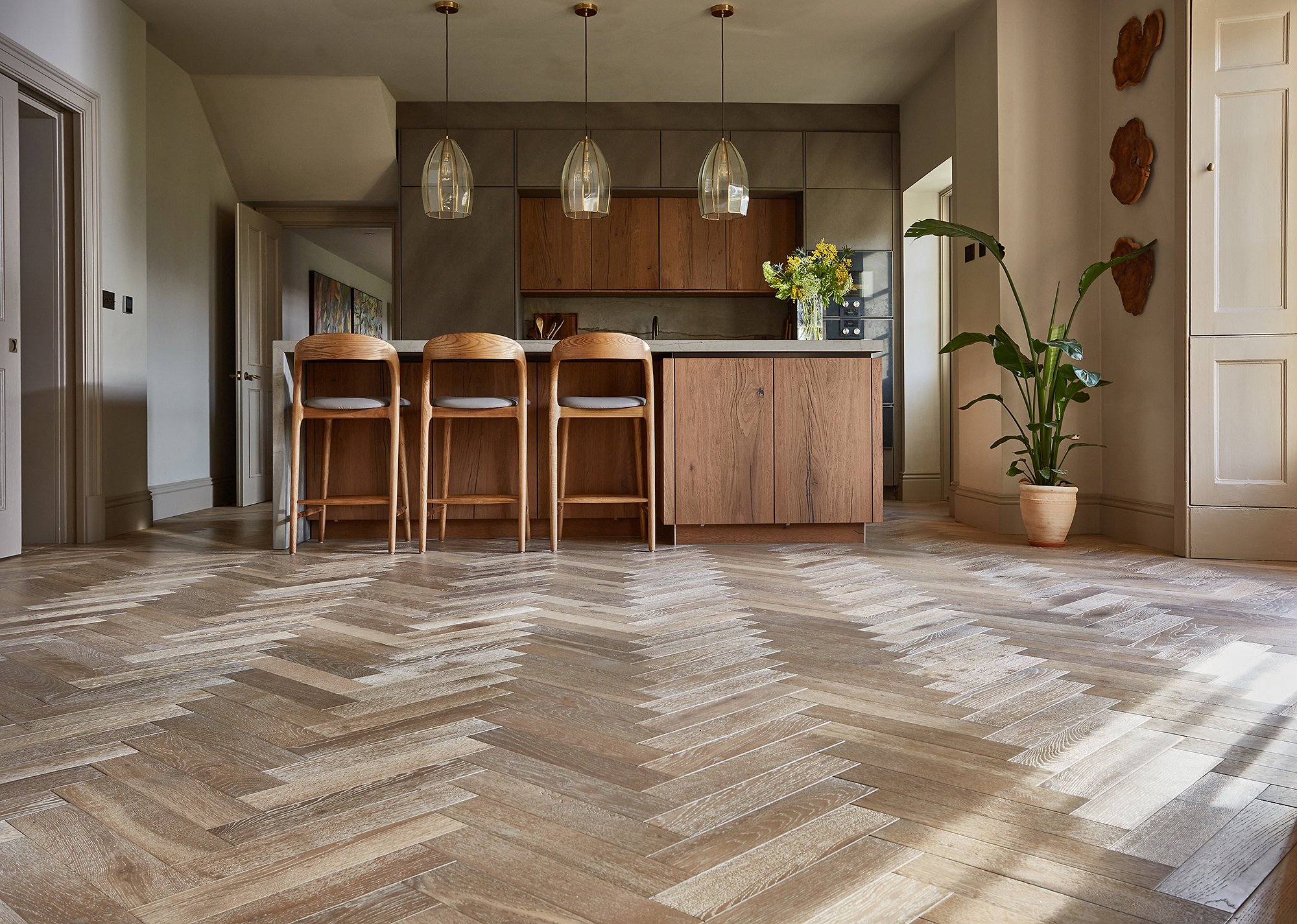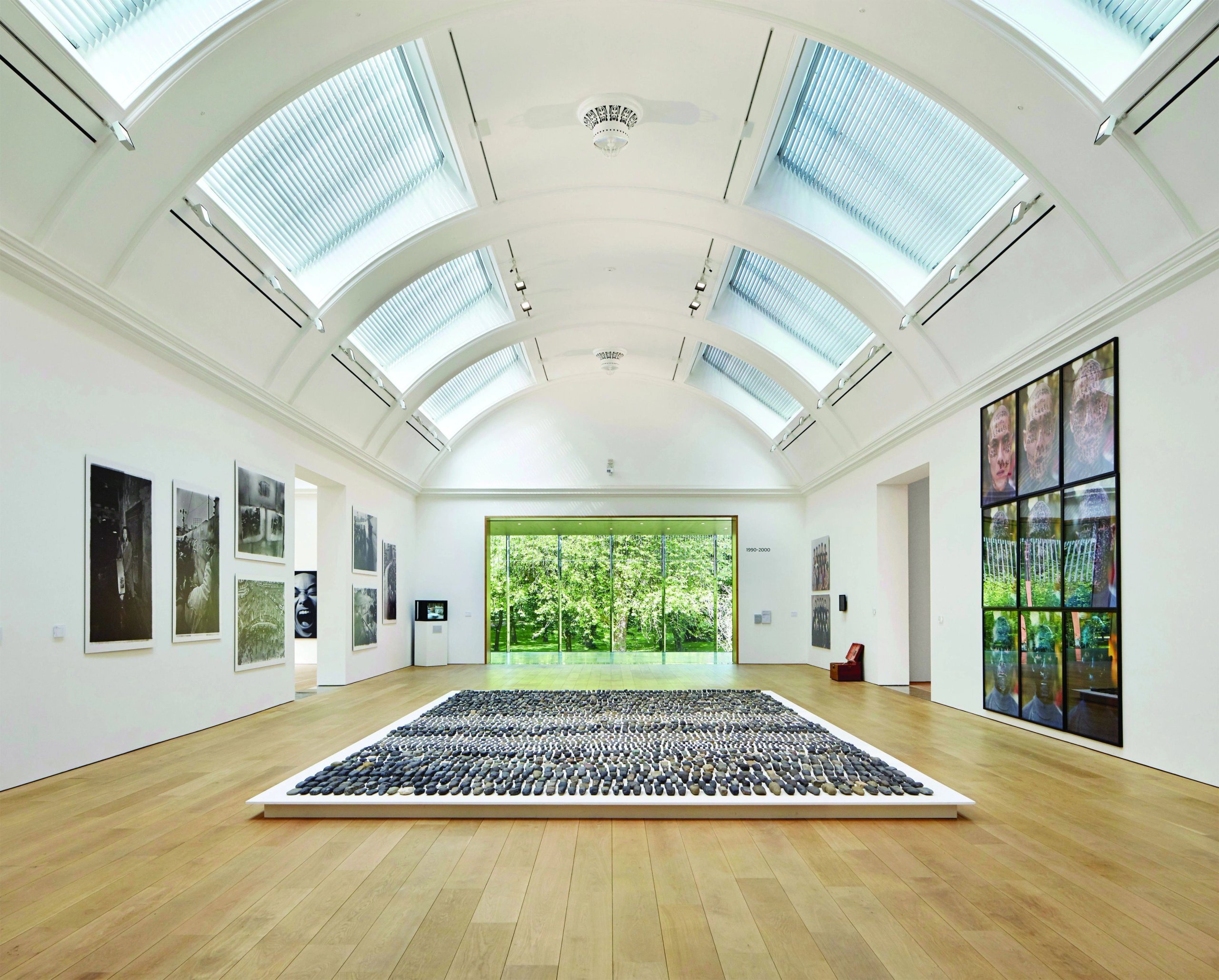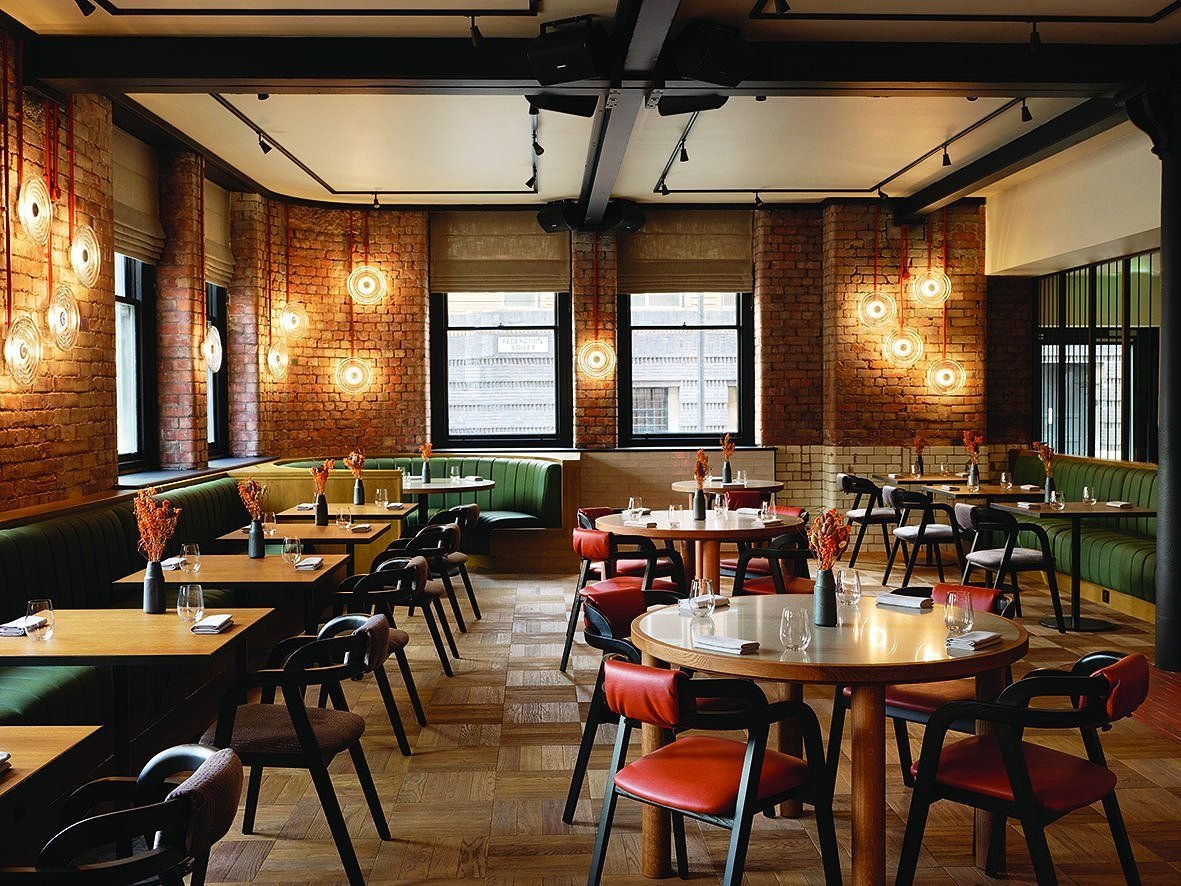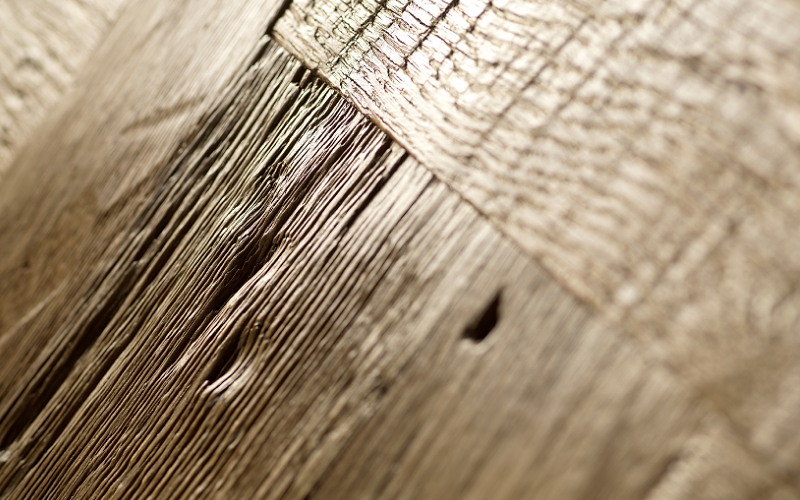
Texture changes the way a wood floor looks, feels and responds to light. It can reveal the grain with subtle definition, introduce the softened character of age or preserve marks formed during the timber’s earlier life.
The specialist textures covered in this guide belong to Woodworks by Ted Todd, our sister brand within the Ted Todd Group. Woodworks creates extraordinary British floorcraft across its modern floors and historic floors, with every surface developed or restored by extraordinary makers in the Cheshire workshops.
These floors are explored and specified through the Woodworks by Ted Todd website. This guide introduces the principal texture families and explains how they can shape an interior.
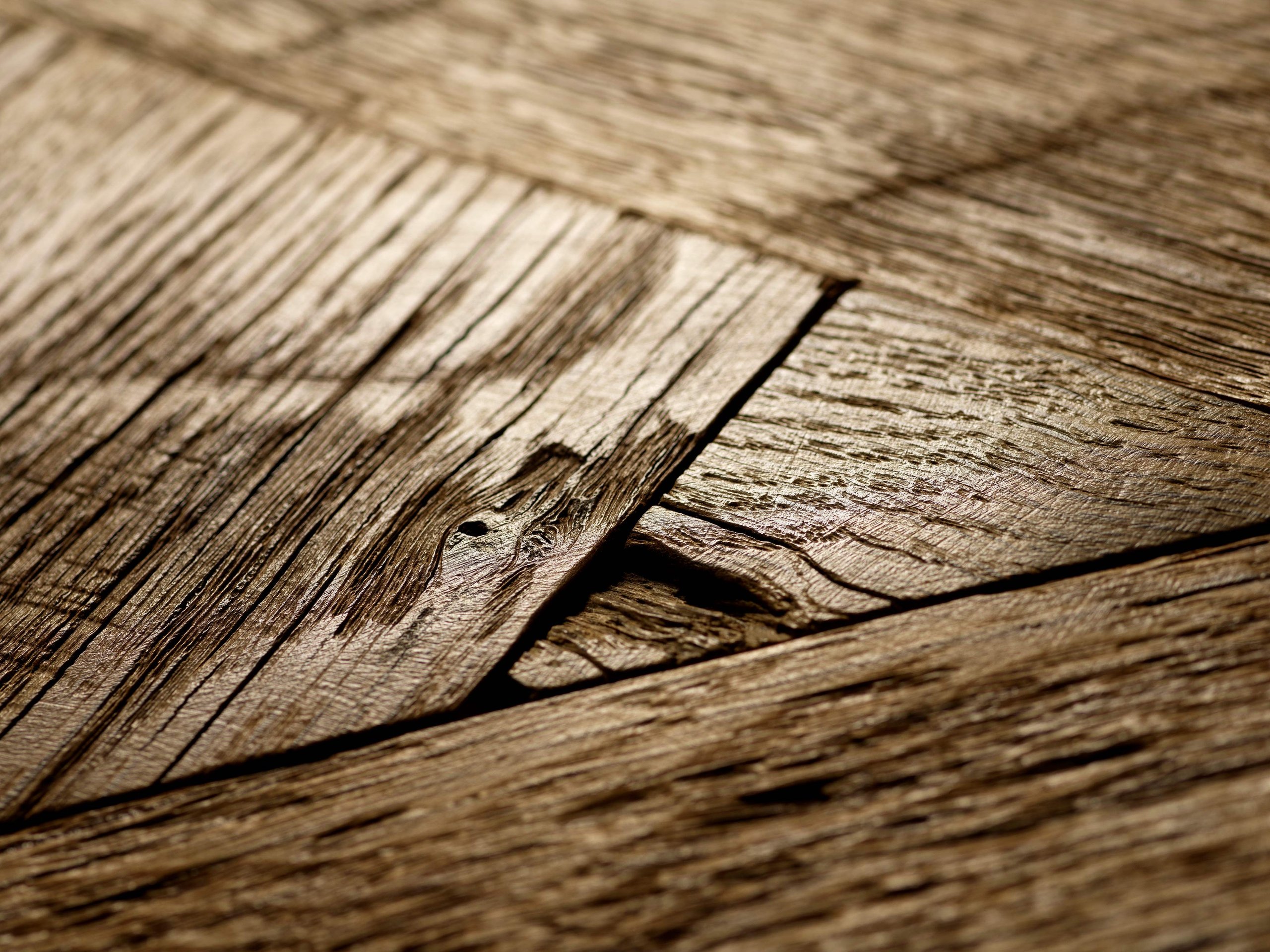
What is wood flooring texture?
Texture describes the physical character of the timber’s surface. It can be smooth and finely sanded, gently brushed, marked by a saw or shaped into natural-looking undulations.
The texture affects:
- how clearly the grain is revealed;
- the movement of light and shadow across the floor;
- how the surface feels underfoot;
- the visibility of natural features and historic marks;
- the way colour settles into the grain; and
- the overall character of the interior.
Texture should be considered alongside species, grade, tone, format and finish. Each element contributes something different to the final floor.
Texture, grade and finish
These three terms describe separate aspects of a wood floor.
Texture is the shape and feel of the surface. Brushing, sanding, planing, sawing and hand-working can all influence it.
Grade describes the type and frequency of natural characteristics within the timber, including knots, tonal variation, sapwood and splits.
Finish is the protective treatment applied to the surface. Oils, hardwax oils and lacquers can alter the sheen, deepen the colour and protect the wood during use.
A smooth floor can still display expressive knots and colour variation. A cleaner grade can carry a pronounced sawn or brushed texture. Looking at these decisions together gives a fuller understanding of the material.
Smooth and planed textures
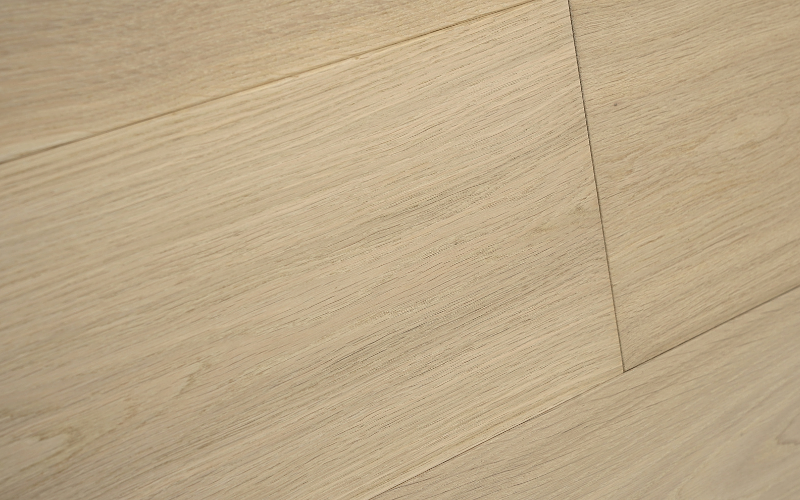
Smooth Woodworks floors have a level, refined surface that allows the tone, grain and proportions of the boards to come forward.
Fine sanding creates a clean foundation with minimal surface relief. Planing can introduce gentle evidence of the tool and retain an elegant overall appearance. Edge details may range from a square shoulder to a subtle bevel or softly rolled profile.
Smooth surfaces work well where the wider interior calls for restraint. They can support precise architectural schemes, calm colour palettes and detailed parquet patterns without adding excessive visual movement.
Brushed textures
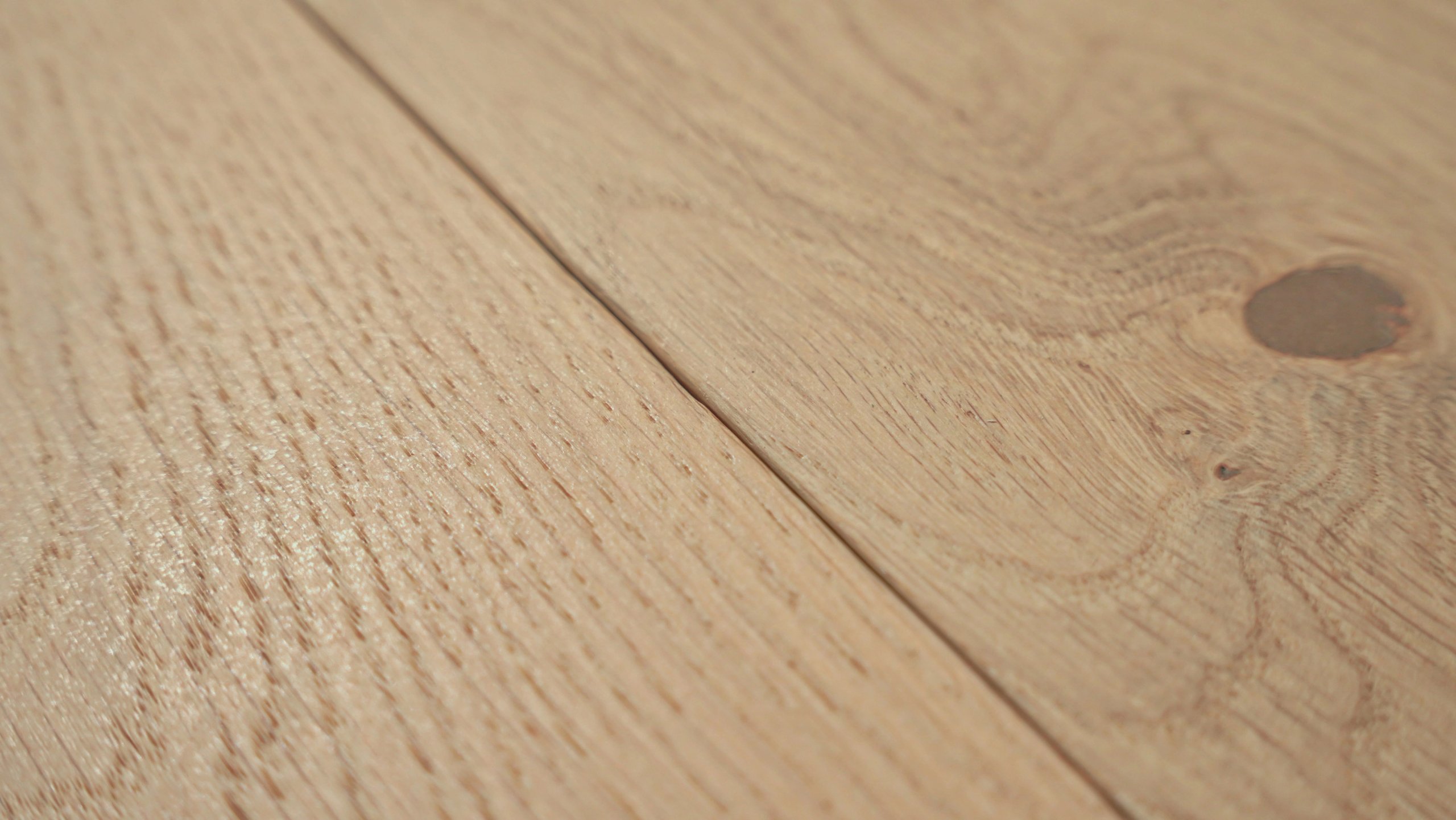
Brushed flooring follows the direction of the timber grain, revealing its natural structure through controlled surface relief.
The intensity can range from a light brushing that adds quiet definition to a deeper treatment with a stronger tactile presence. The effect varies by species because every timber has its own grain structure and density.
Brushing can also influence how stains, oils and reactive treatments settle into the surface. Colour may gather within the open grain, giving the floor greater depth and highlighting the individual character of each board.
Sawn textures
Sawn Woodworks floors retain or introduce marks associated with the cutting of timber. These lines create a distinctive rhythm across the board and catch light differently throughout the day.
Woodworks uses several interpretations of this surface, including hand-sawn, skip-sawn and hit-and-miss textures. Some display a consistent linear pattern. Others reveal intermittent areas of saw marking alongside smoother sections.
The direction and intensity of the marks influence the finished character. A restrained sawn surface can add detail to a contemporary floor. A stronger treatment can bring an industrial or workshop quality to the material.
Undulating textures
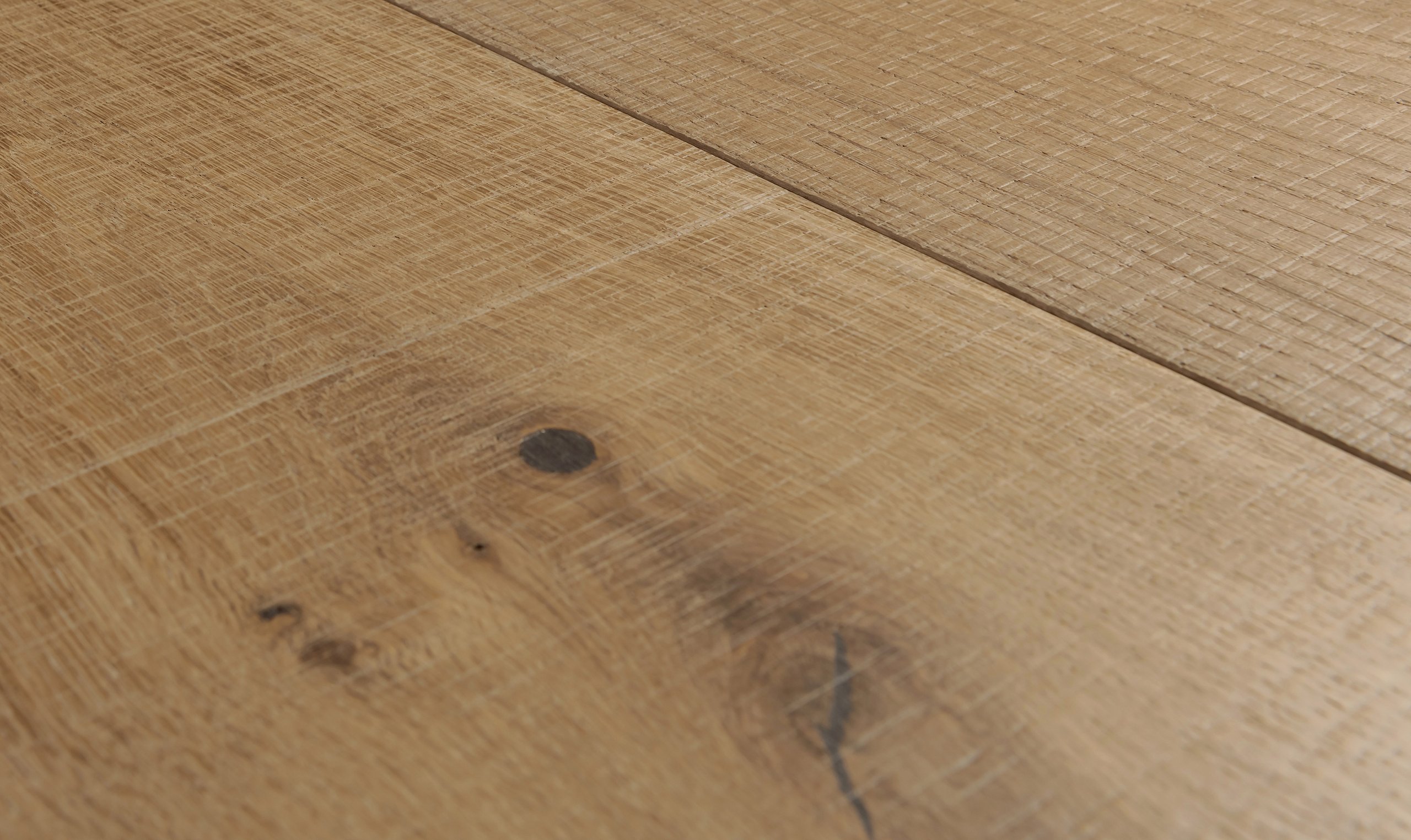
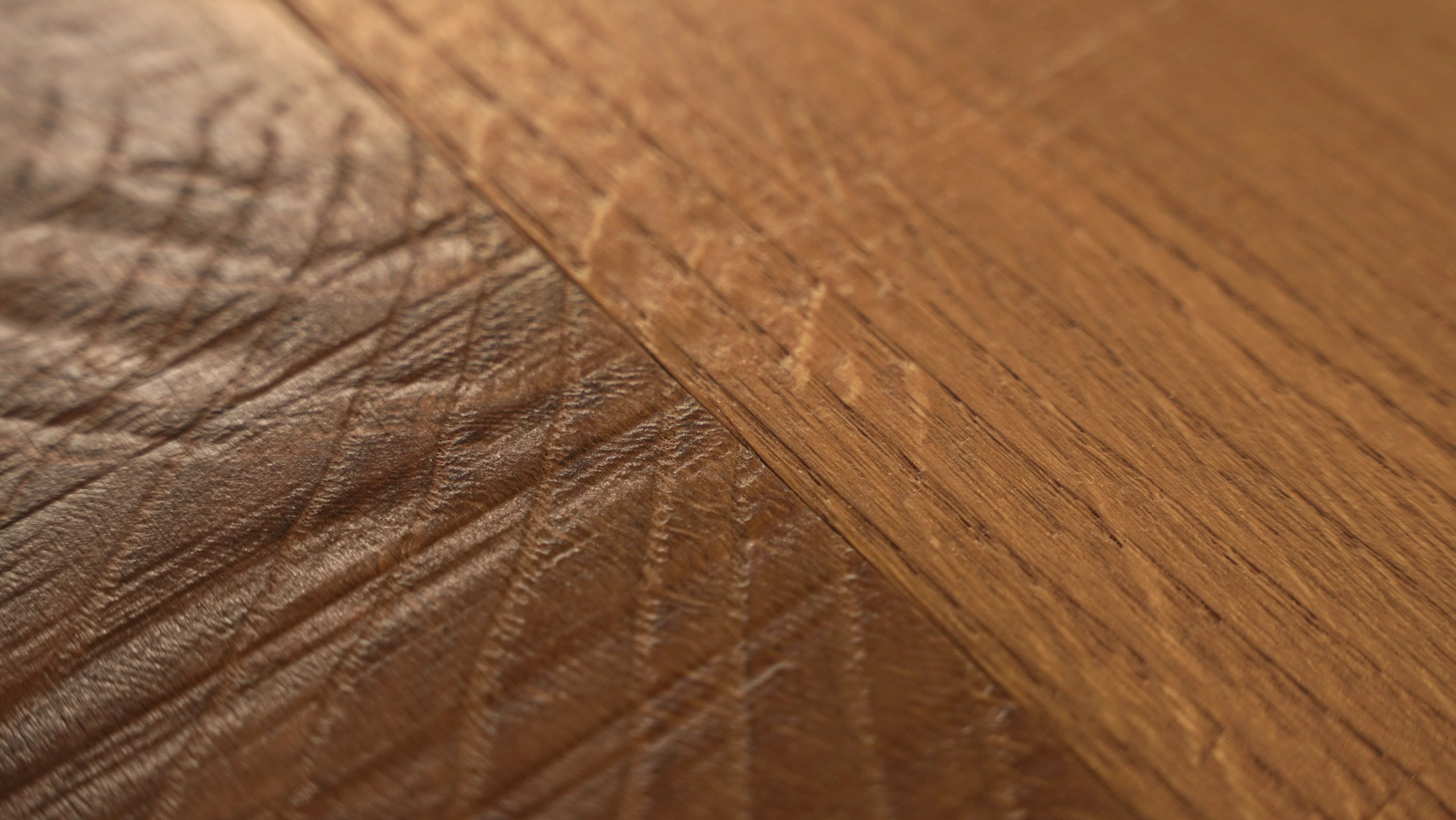
Undulating floors feature gentle rises, softened hollows and subtle changes in level across the face of the timber.
This texture gives light space to move across the boards, bringing depth to the floor as the room is viewed from different positions. It can also soften the regularity of long planks or repeated parquet elements.
The most successful undulating surfaces feel connected to the natural structure of the wood. Knots, grain changes and existing characteristics help guide the shaping of each board.
Aged and distressed textures
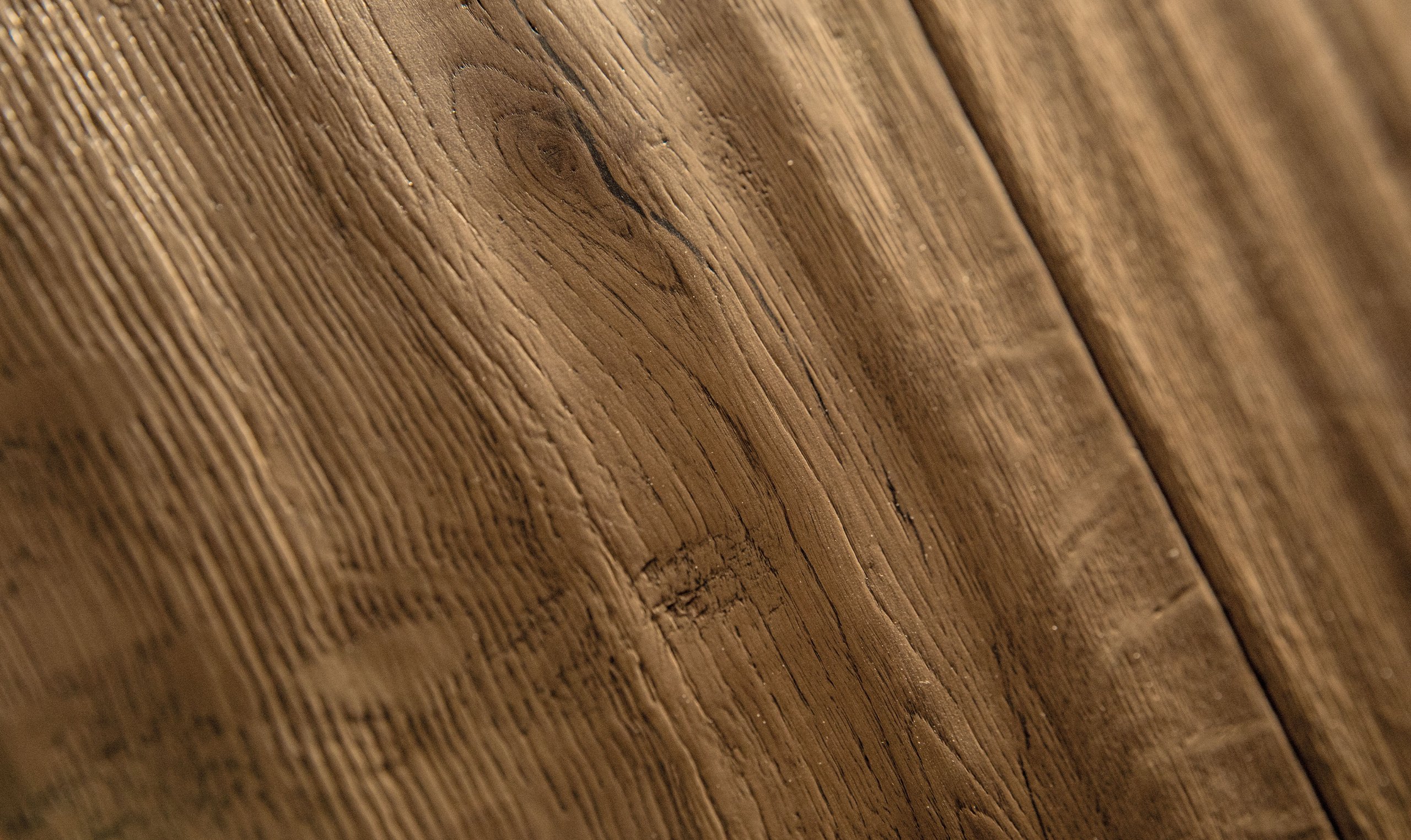
Aged Woodworks floors are worked to develop the softened character associated with long use. Techniques can include hand-planing, broken or rolled edges, indentations, wear marks and areas of varied surface depth.
Distressing is applied with careful variation across the boards. This prevents the surface from feeling mechanically repeated and allows the timber’s existing characteristics to remain visible.
Aged textures can introduce warmth and familiarity into a new interior. Their softened edges and surface movement also sit naturally within historic buildings and restoration projects.
Patina and genuine antique texture
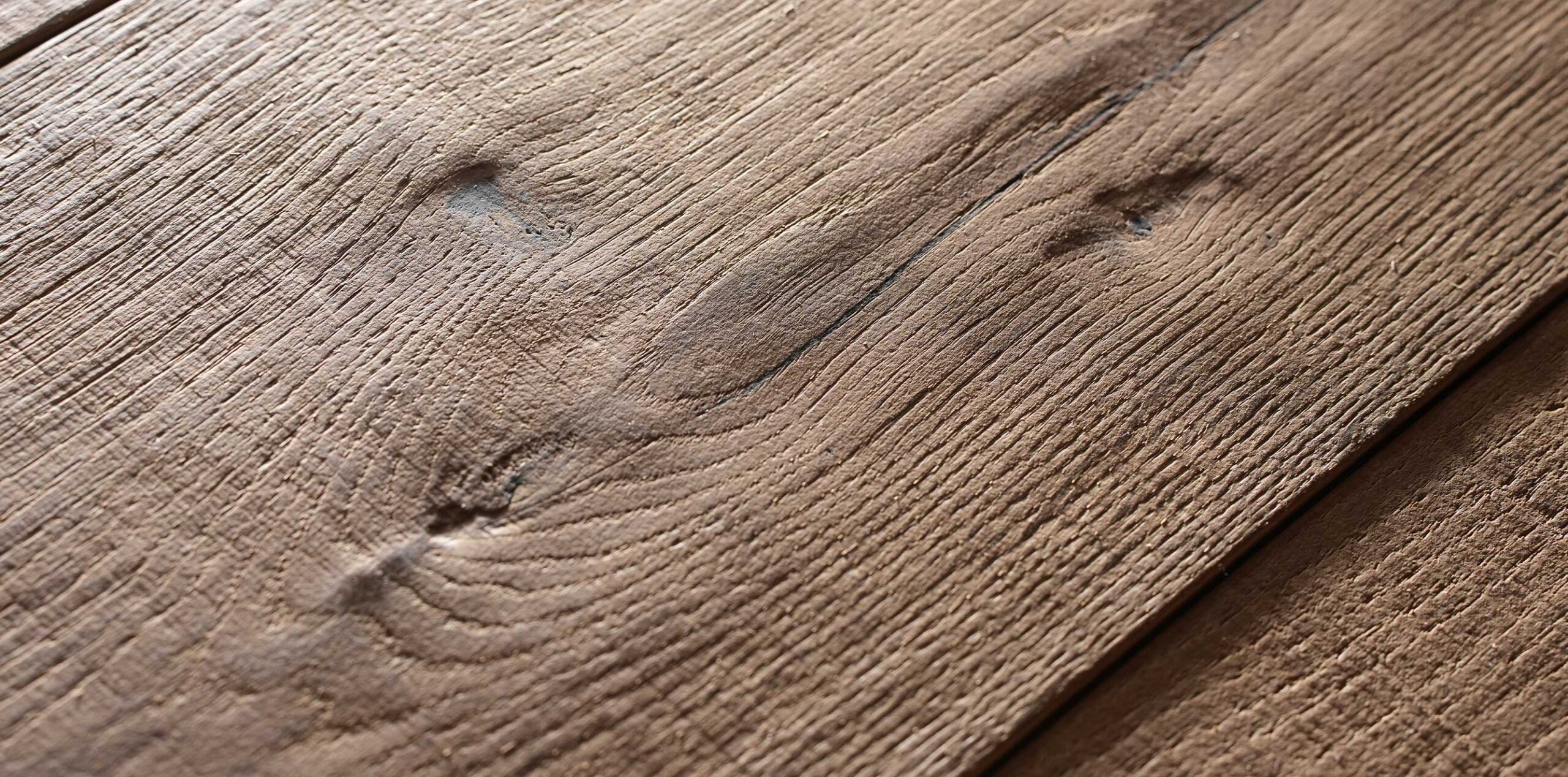
Patina floors carry visual depth formed through age, previous use or specialist hand finishing.
Within antique and reclaimed timber, the surface may include old saw marks, nail holes, historic repairs, worn grain, oxidised colour and subtle changes created over many years. These characteristics form part of the material’s provenance.
Woodworks’ makers assess each antique or reclaimed board individually. Cleaning, stabilisation and restoration are carefully judged so valuable surface character can remain within the finished floor.
Antique and reclaimed floors sit within the historic portfolio of Woodworks by Ted Todd. They are available through the sister brand’s historic wood flooring collection.
Raked, weathered and other expressive surfaces
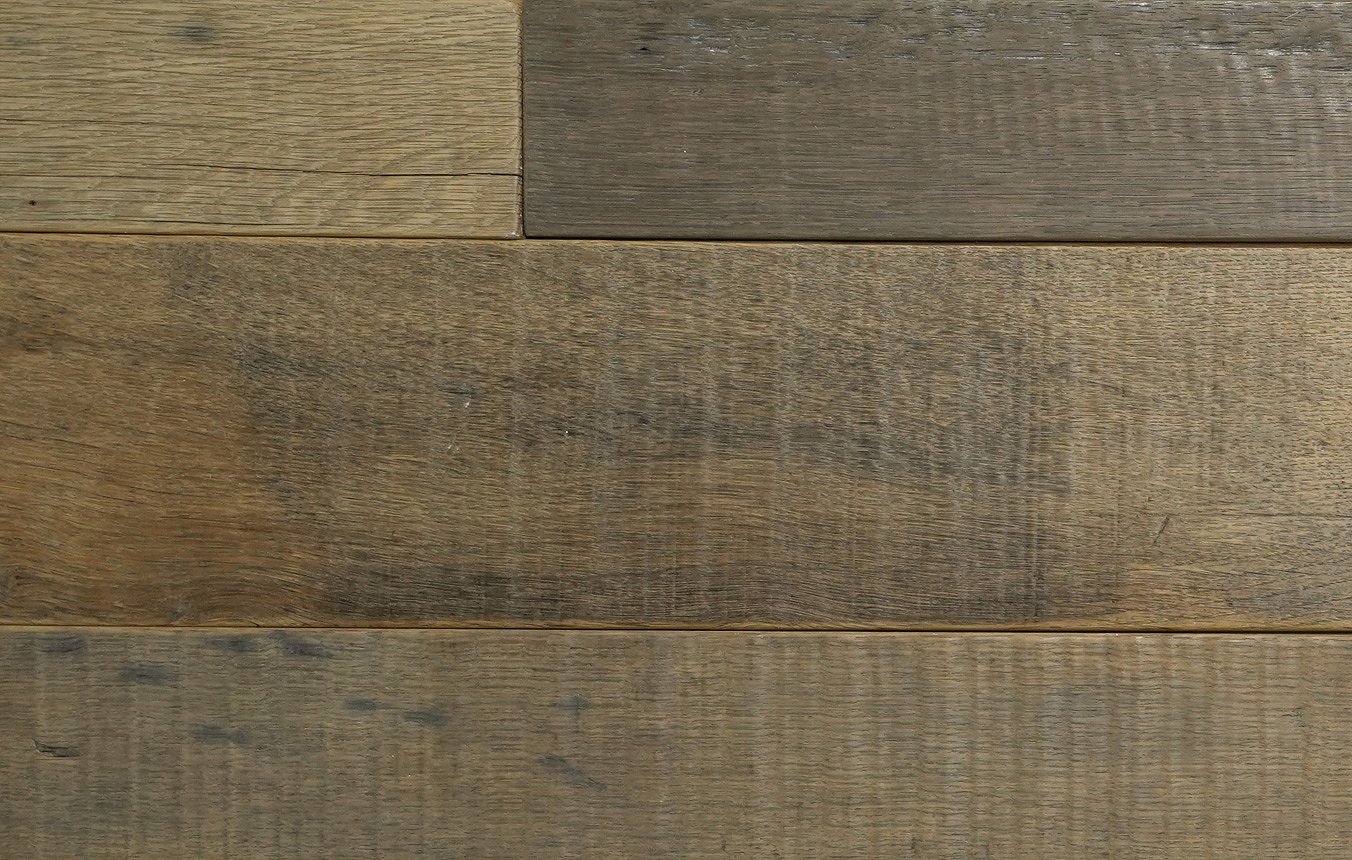
Some Woodworks floors use deeper treatments to give the grain a strong architectural presence.
Raking follows and opens the grain, producing pronounced ridges and channels. Weathered textures can expose irregular grain and existing surface marks. Hand-polishing can soften raised areas and build a gentle lustre across the points that would naturally receive wear.
These specialist treatments vary considerably between floors. Review the texture description, product imagery and physical sample for the exact specification.
Some expressive surfaces are also available for wall applications. Suitability for flooring or cladding is stated on the individual product page.
How texture affects colour and light
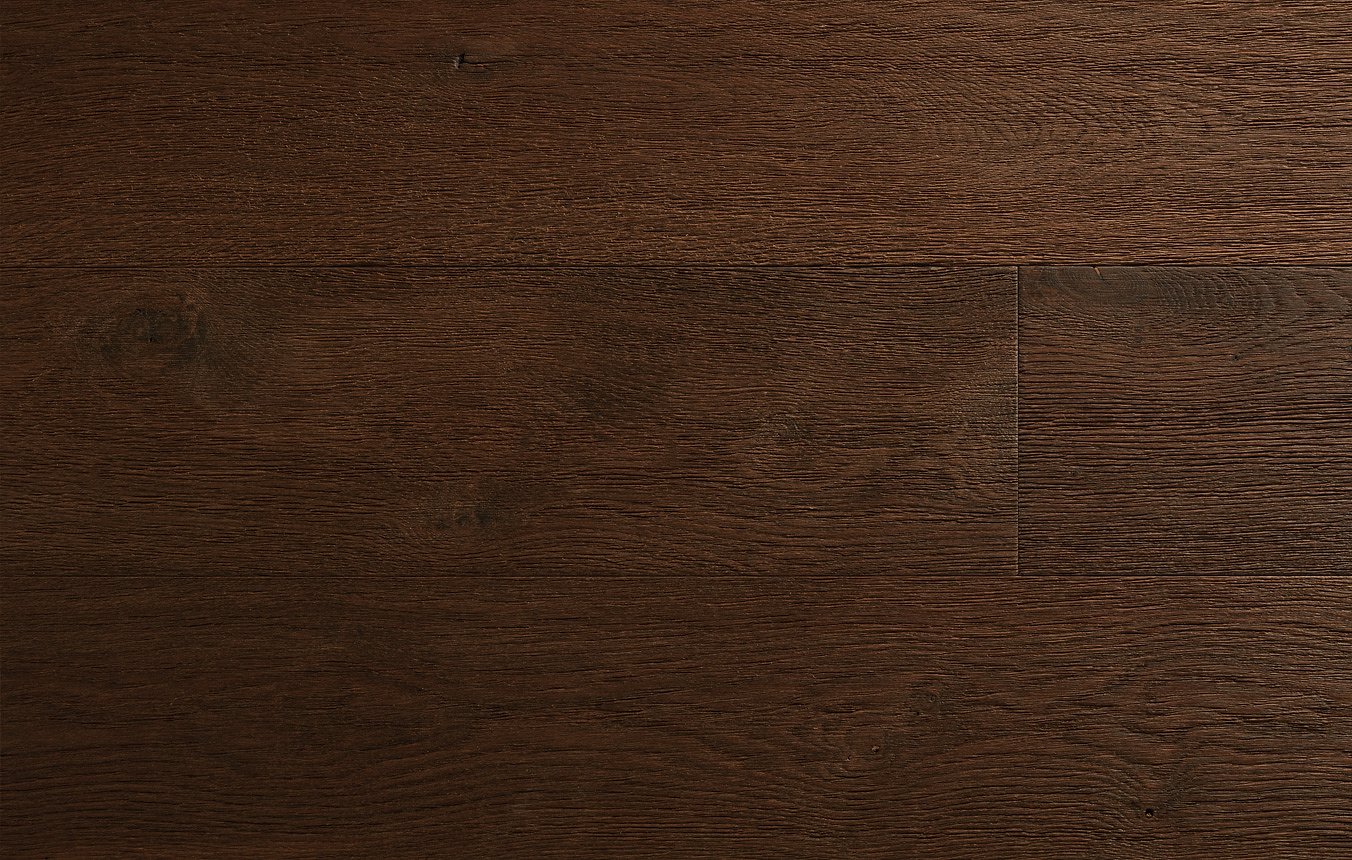
A wood floor’s tone can appear different once texture is introduced. Smooth surfaces reflect light with greater consistency. Brushed, sawn and undulating finishes create small areas of shade across the grain, giving colour added depth.
The direction of daylight also matters. Low light passing across a textured surface reveals its relief clearly. Diffused light produces a softer reading of the same floor.
View samples in the space where the floor will be installed whenever possible. Observe them during different parts of the day and beside the other materials planned for the interior.
Choosing texture for different flooring formats
Board dimensions and pattern influence how a texture is experienced.
On wide or long planks, surface movement has room to develop across each individual board. Brushing and undulation can draw attention to the natural grain over a generous area.
Herringbone and chevron introduce frequent changes in grain direction. A pronounced texture may strengthen this movement, especially as light falls across adjacent blocks from different angles.
Panels and geometric parquet combine numerous timber elements within a repeated design. A subtle surface can keep the pattern precise. A patinated or undulating finish can bring additional depth and individuality to every component.
Are textured wood floors suitable for busy interiors?
Project suitability is determined by the complete floor specification, including species, construction, wear layer, finish and maintenance requirements. Texture forms one part of that assessment.
A tactile surface can help everyday wear settle naturally into the appearance of a characterful floor. Deep grain and open textures require consistent dry cleaning so grit does not collect within the surface.
For commercial interiors, review expected footfall, cleaning schedules, slip requirements and entrance matting with the Woodworks specification team.

Caring for a textured wood floor
The correct care routine depends on the applied finish. Use the care system stated on the individual product specification.
Remove loose dust and grit regularly with a soft brush or suitable vacuum attachment. Work with the direction of the grain where the texture is pronounced. Wipe spills promptly and use minimal water during cleaning.
Textured and patinated floors require care during renovation. Sanding may flatten surface relief, soften hand-worked edges or remove historic marks. A professional assessment can identify whether deep cleaning, local repair or a maintenance treatment will preserve the original character.
Explore Woodworks textures
The choice of texture begins with the atmosphere and material character required for the project. Smooth surfaces offer clarity, brushing reveals the grain, saw marks add linear detail, and undulating or patinated finishes introduce greater depth.
Explore Woodworks’ complete approach to tone and texture, browse all Woodworks floors or contact the Woodworks team to discuss your project.