Why choose wood flooring? 6 benefits of real wood floors
Wood flooring brings the warmth, grain and natural variation of genuine timber into an interior. It can create a quiet foundation for a home, establish a clear design direction in a commercial space and adapt to many different architectural styles.
Its appeal also extends into daily use. The right construction can work with underfloor heating, a suitable finish supports straightforward maintenance, and many wood floors can be renewed as they age.
If you are deciding whether real wood is right for your project, these are six of the most important benefits of wood flooring to consider.
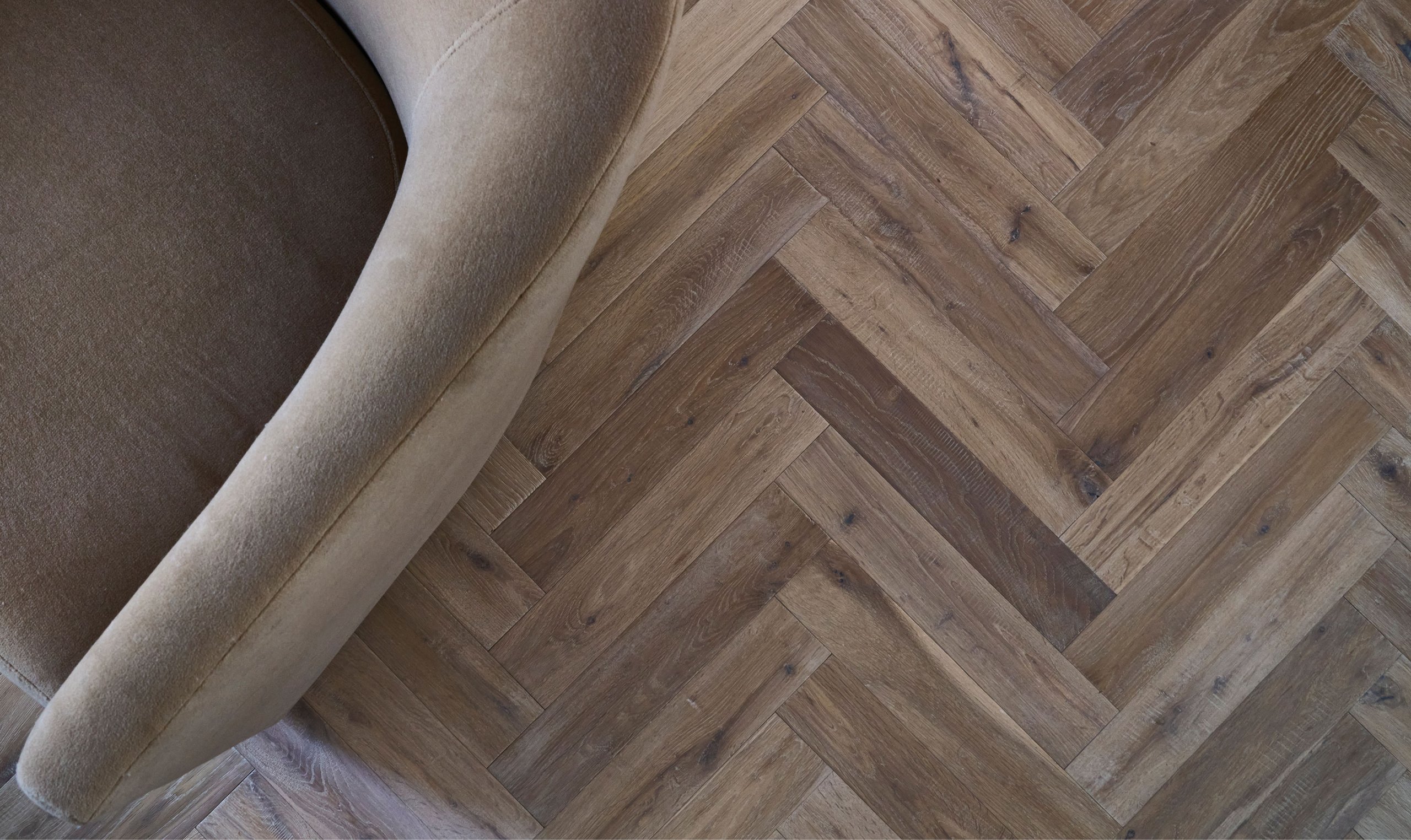
1. Every real wood floor has natural character
Every board begins with a tree. Grain, growth rings, knots, mineral marks and tonal variation develop as the timber grows, giving each piece its own identity.
These differences create depth across an installed floor. Cleaner grades use carefully selected boards for a calmer, more consistent appearance. Characterful grades place greater emphasis on knots, sapwood and colour movement. Both offer the authenticity of genuine timber, with the grade helping to shape the atmosphere of the room.
Texture adds another dimension. A smooth surface creates a refined finish, while brushing, saw marks and softened edges bring the grain into greater relief. Natural and artificial light will reveal these details differently throughout the day.
The complete flooring specification still deserves attention. Engineered constructions use supporting layers and adhesives, while oils and lacquers protect the timber surface. Ted Todd wood floors contain no PVC, have low VOC emissions and are specified as SVOC-free. You can find further information in our approach to healthier and more sustainable interiors.
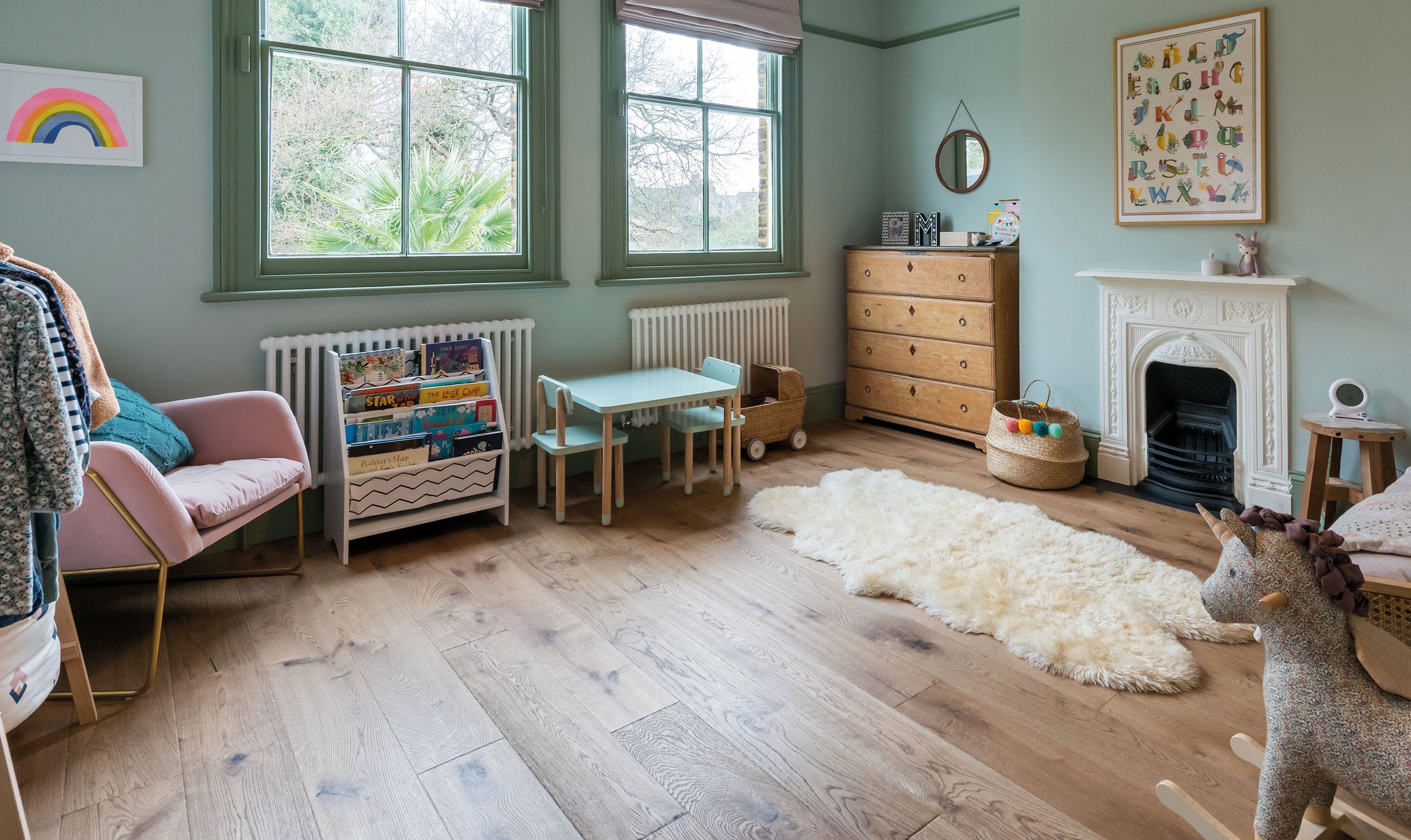
2. Wood flooring offers extensive design choice
Wood can be crafted into a broad range of formats. Each one changes the scale, direction and rhythm of the finished floor.
Classic planks create long, continuous lines through a room. Wide and extra-wide boards give the grain and tonal variation greater space to develop. Their generous proportions can bring composure to open-plan interiors and make the material itself a stronger feature.
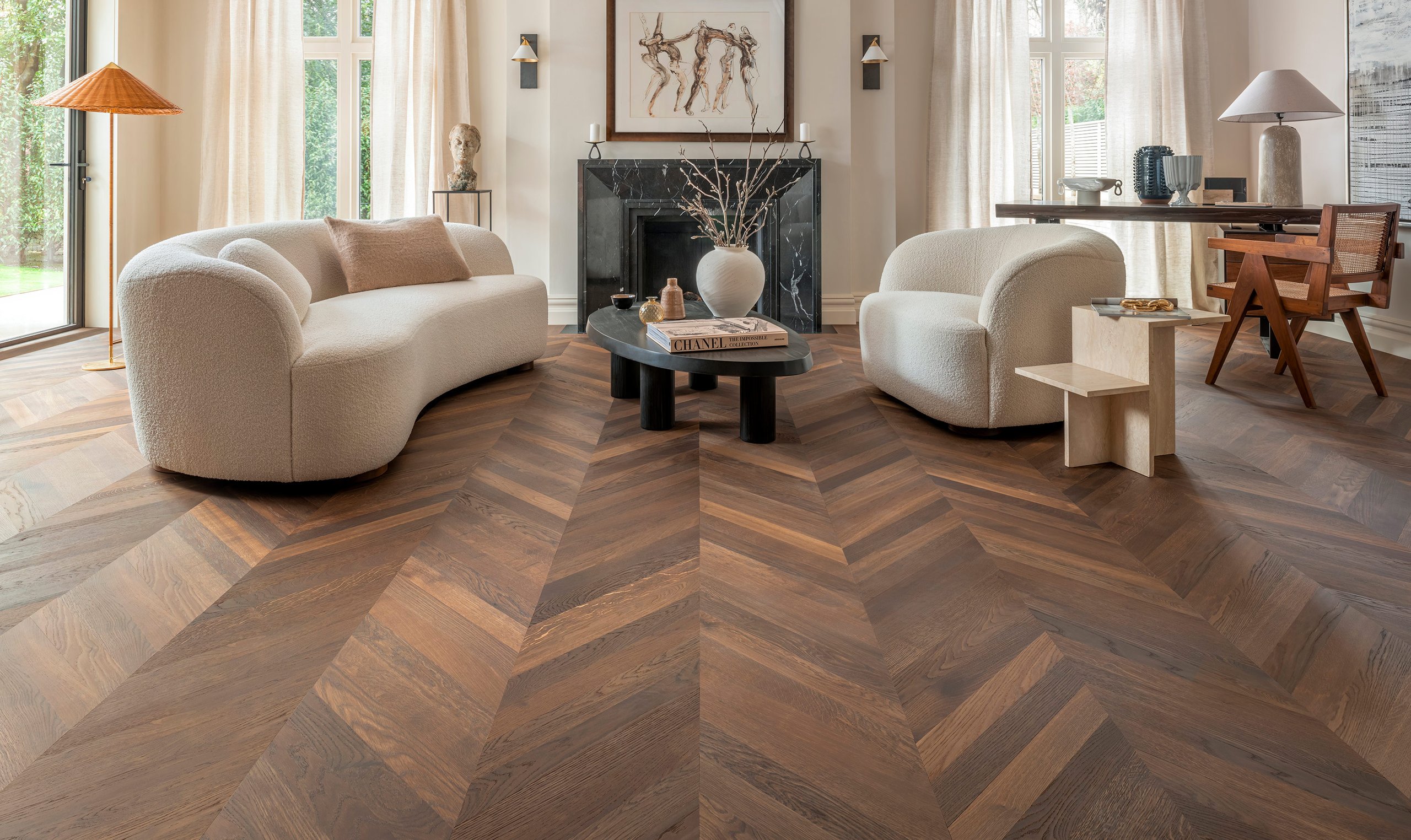
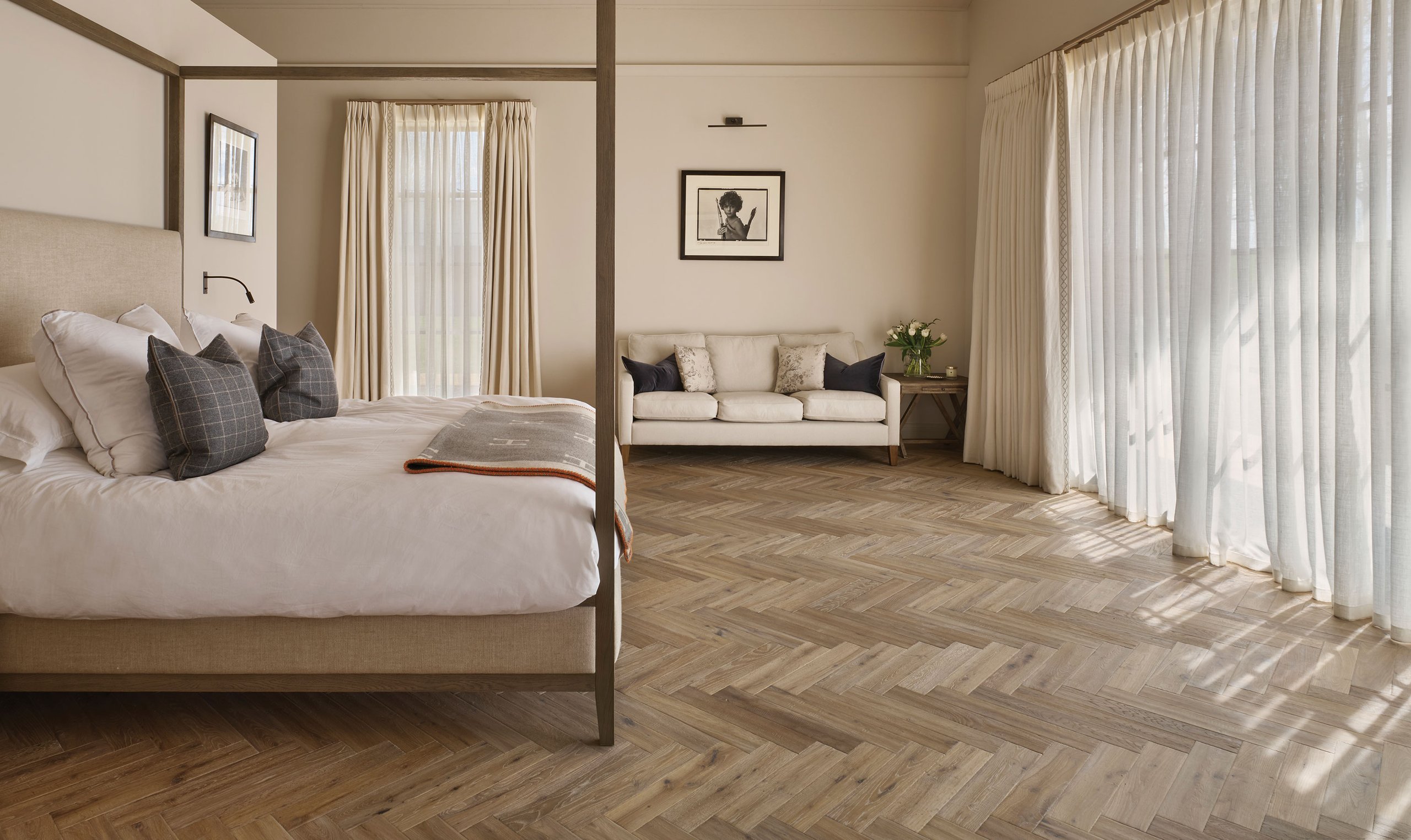
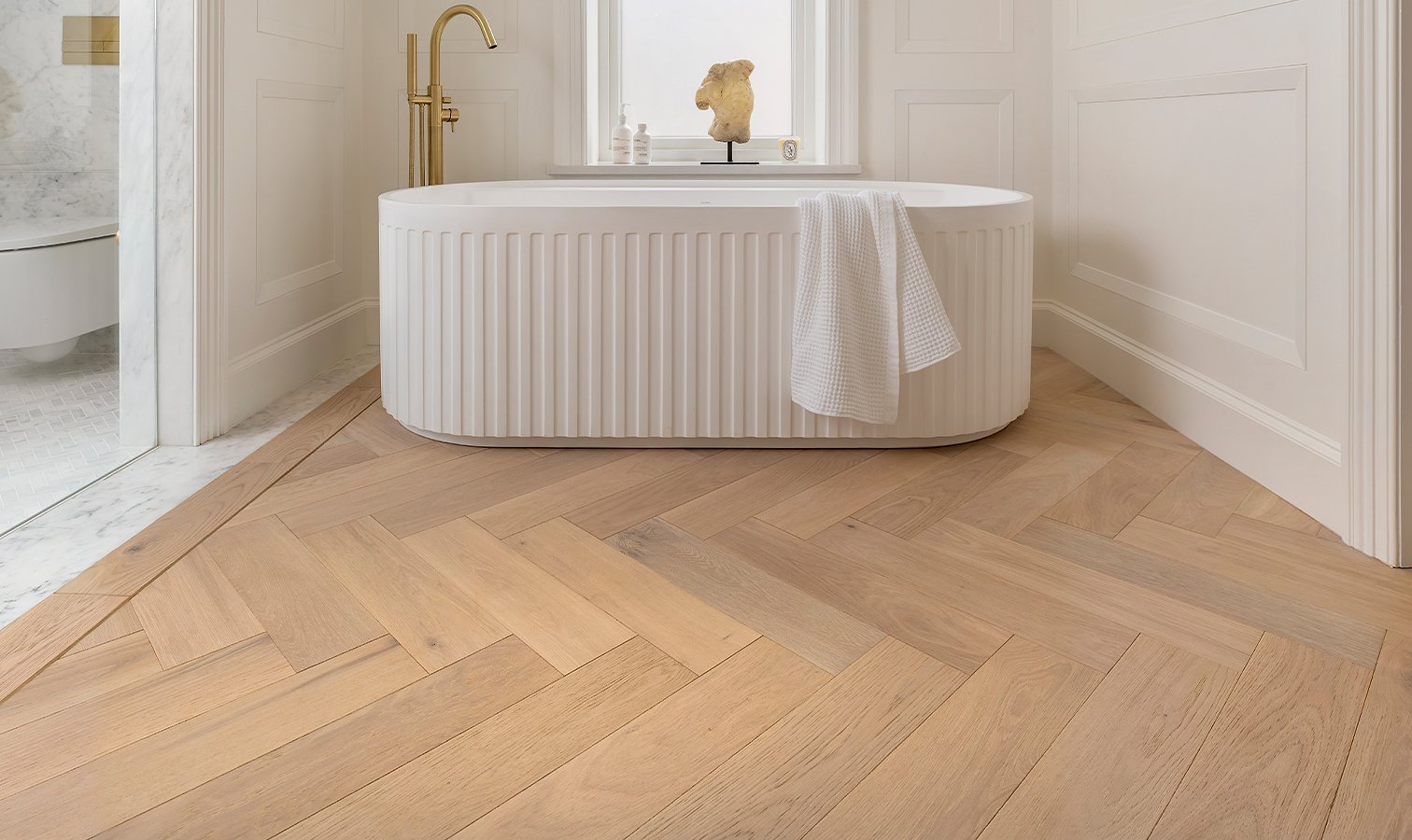
Herringbone wood flooring introduces a detailed, interlocking pattern. Chevron flooring forms a precise sequence of V shapes that guides the eye through the space. More intricate geometric wood flooring and panel designs can establish a distinctive focal point.
Format can also respond to the architecture. A directional pattern may lead through an entrance or corridor. Planks can emphasise the longest sightline. Borders and changes in laying direction can define zones within a larger floor area.
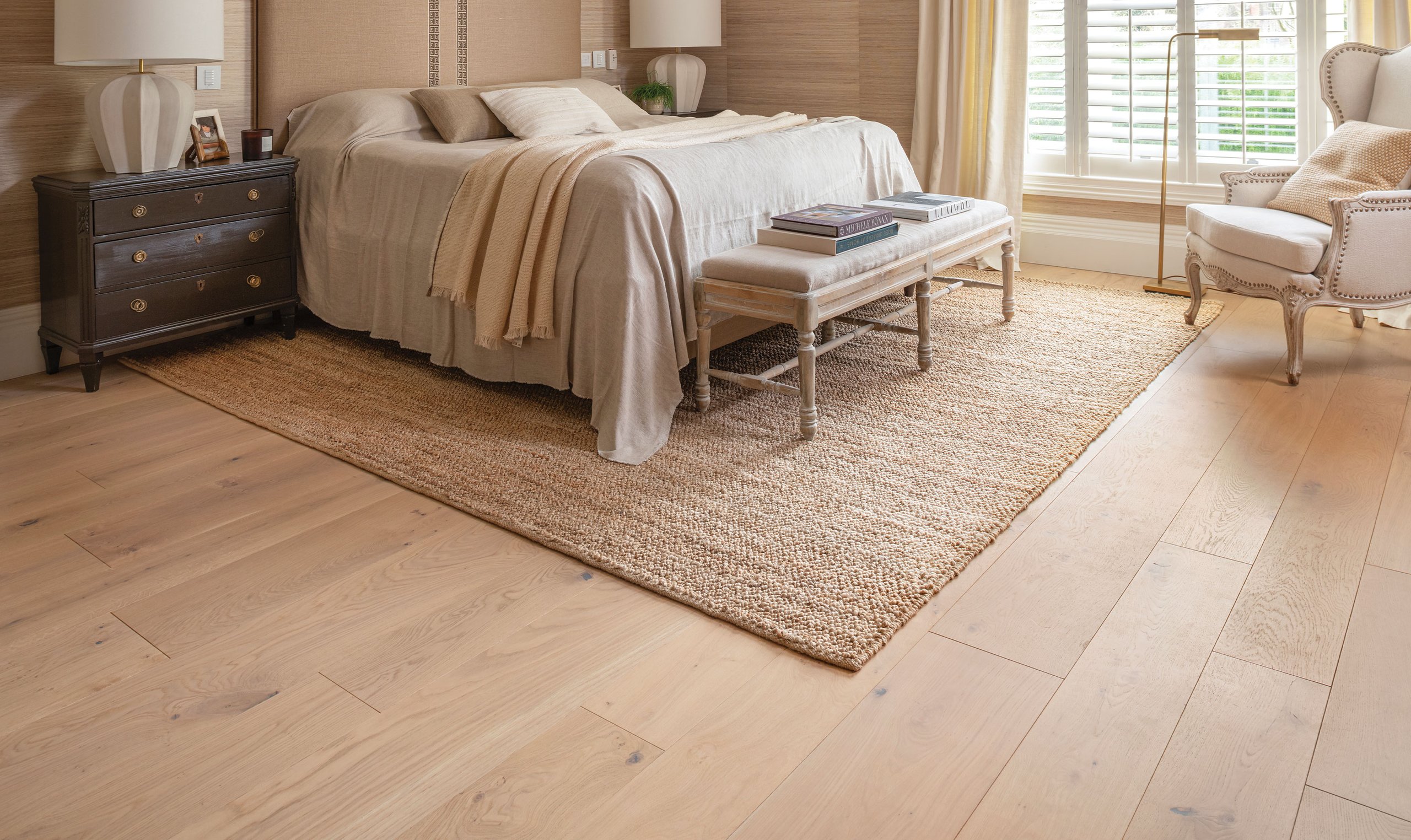
3. Species, colour and finish can shape the interior
Different timber species bring their own grain, colour and natural characteristics. European oak remains a versatile choice, with enough variation to support pale contemporary finishes, balanced natural tones and deep, expressive colours. American black walnut has a darker natural palette and a finer, flowing grain. Pine, elm and larch offer further character where the project and product range allow.
Specialist finishing expands this choice. Stains, oils, lacquers and surface treatments can alter the tone, sheen and tactile quality of the wood while keeping its natural grain visible.
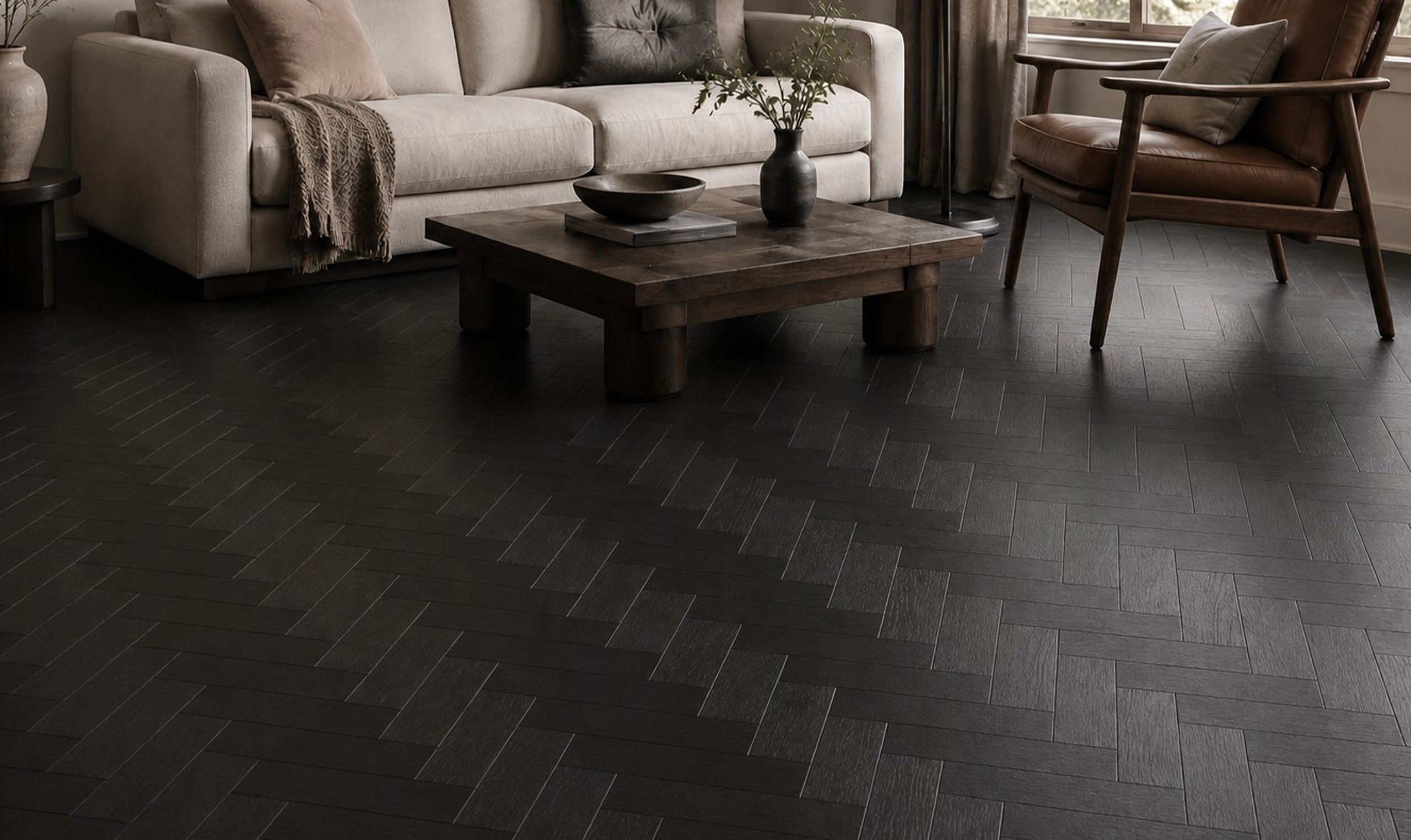
Colour influences the wider interior. Pale wood floors can support a light, understated scheme. Mid-toned oak brings familiar warmth and sits comfortably alongside paint, stone, metal and textiles. Dark wood creates definition and can give a larger room a more intimate character.
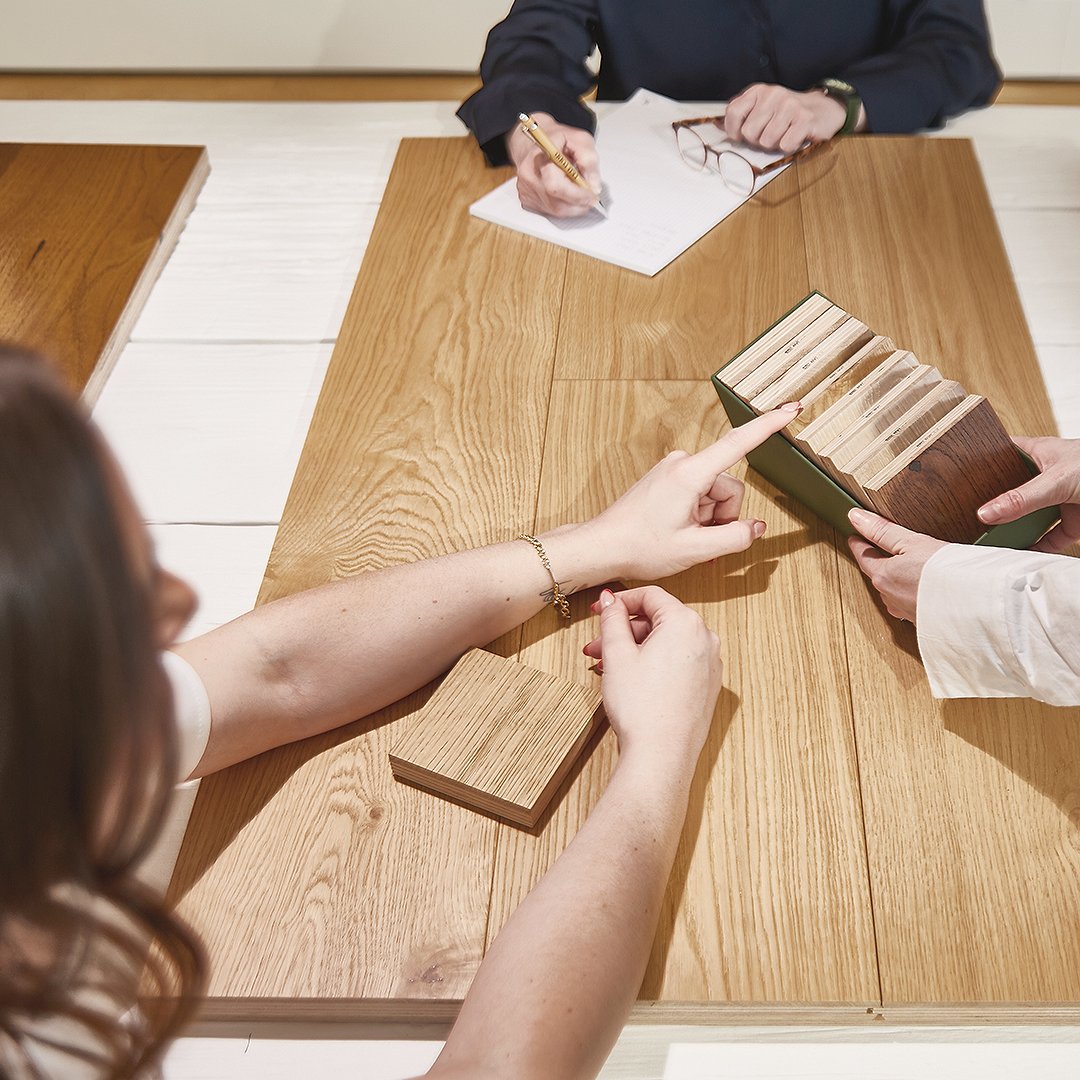
Samples are essential when making this decision. View them beside cabinetry, fabrics and wall finishes in the intended room. Check the floor in morning, afternoon and artificial light, as colour and texture can appear different as conditions change. A large display panel will show the overall movement of the timber more clearly than a single board.
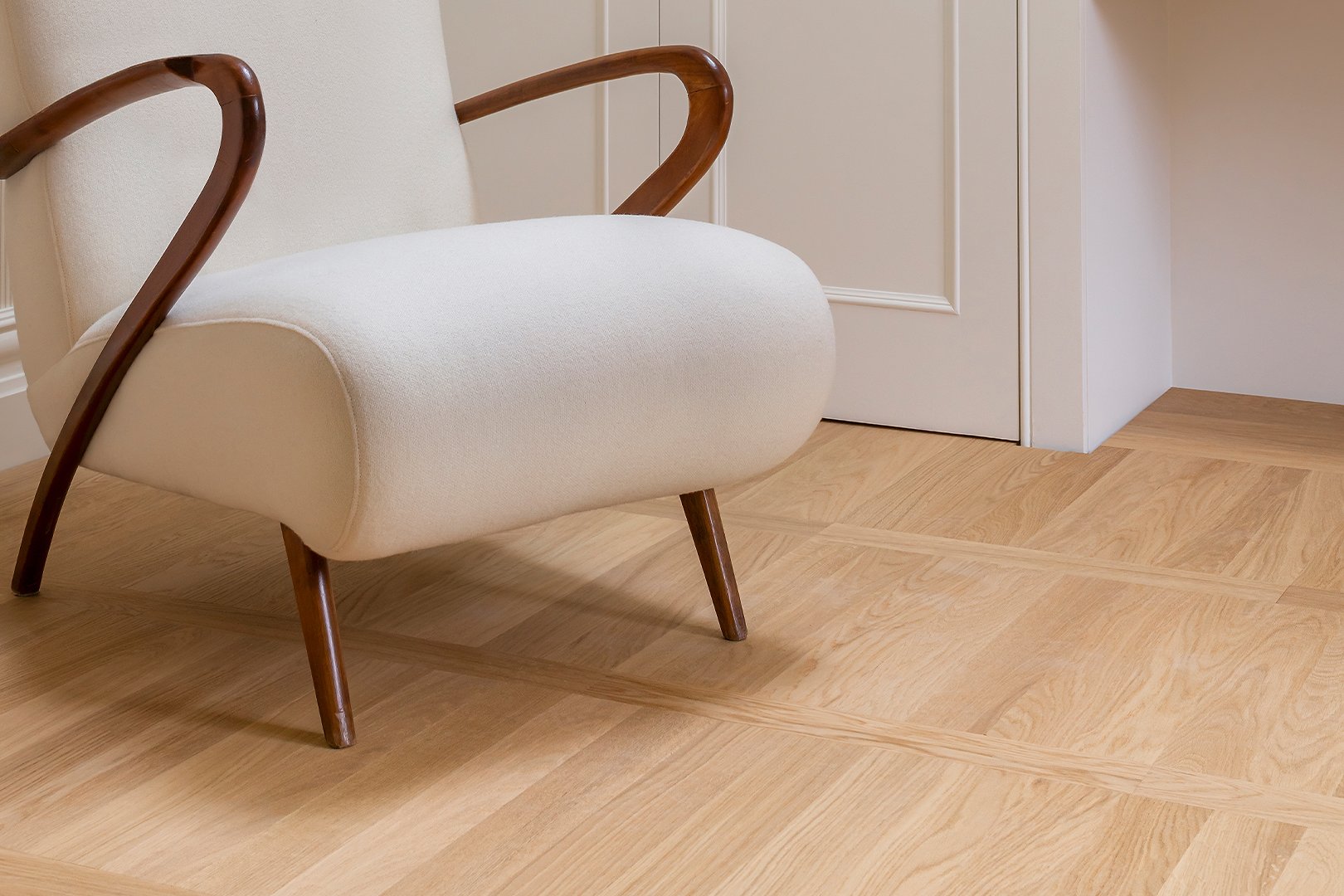
4. Engineered wood flooring provides greater stability
Engineered wood flooring has a genuine hardwood wear layer supported by a layered construction. The grain direction changes between the supporting layers, helping the floor respond more consistently to variations in temperature and humidity.
This stability makes engineered wood a versatile option for contemporary buildings, renovations and commercial interiors. All Ted Todd engineered floors can be installed over underfloor heating when the system, subfloor, installation and operating conditions follow the relevant guidance.
The depth of the wear layer varies by product. It influences the overall construction and the scope for future restoration, so it should form part of the specification alongside board thickness, finish and installation method.
Solid wood flooring is machined from a single piece of timber. It has its own applications and a substantial material quality, although its natural movement requires careful consideration of site conditions and heating systems.
An experienced wood floor fitter should assess moisture levels, subfloor preparation, acclimatisation and expansion requirements before installation begins. The Ted Todd fitting and installation guidance provides the technical information needed to plan the work correctly.

5. Wood floors can be maintained and renewed
A suitable care routine helps a real wood floor retain its appearance and performance. Regular vacuuming or sweeping removes grit that could mark the surface. Damp cleaning should use a well-wrung mop and a product developed for the floor’s specific finish.
Oiled, hardened-oil and lacquered floors have different maintenance requirements. Using the correct system protects the finish and avoids the residue, discolouration or surface damage that unsuitable cleaners can cause.
Timber also provides several routes for renewal. Depending on the construction, finish, wear layer and condition, a floor may be cleaned intensively, replenished, recoated or sanded and refinished. Localised damage may be repairable, and individual boards can sometimes be replaced without removing the entire floor.
These options allow the material to remain in use as the interior changes. A new finish can refresh the surface, while the natural development of colour and patina can become part of the floor’s character.
Always assess the floor before carrying out restorative work. Deep sanding may be unsuitable for some textures or thinner wear layers. Follow the product information and use the recommended Ted Todd floor care system.
6. A well-specified wood floor is a long-term choice
Construction, installation and care all contribute to the lifespan of a wood floor. A product suited to the room and its expected footfall can remain part of an interior for many years, with maintenance and restoration extending its useful life.
Responsible sourcing is equally important. The vast majority of Ted Todd’s new wood floors carry FSC™ or PEFC certification, and Ted Todd has held FSC™ chain-of-custody certification since 1997. These independent schemes support responsible forest management and provide traceability through the supply chain. Check the individual product specification to confirm the certification required for your project.
Ted Todd solid and engineered wood floors also carry a 30-year structural warranty, subject to correct installation, site conditions and maintenance under the warranty terms. The warranty covers structural defects, so ongoing surface care remains an important part of ownership.
Long-term value comes from bringing these decisions together. A carefully selected floor can support the design of the space, perform under its daily demands and adapt through future maintenance.

How to choose the right wood flooring
Begin with the practical conditions of the room, then refine the visual details.
- Use and footfall: Consider how frequently the room will be used, the type of footwear expected and the likelihood of spills or tracked-in grit.
- Subfloor and heating: Confirm the subfloor construction, moisture levels, installation method and compatibility with underfloor heating.
- Format and scale: Choose plank, herringbone, chevron or a geometric pattern according to the room proportions and main sightlines.
- Grade and variation: Decide how much tonal movement, knotting and natural character you want to see across the floor.
- Texture and finish: Balance the desired look with cleaning, maintenance and footfall requirements.
- Technical specification: Review the overall thickness, wear layer, edge profile, certification and warranty for the individual product.
- Samples: Assess the timber alongside the other materials in the room and under the lighting conditions it will experience.
These choices are closely connected. A wood flooring expert can help align the design intent with the construction and performance requirements of the project.
Frequently asked questions about wood flooring
Is engineered wood flooring real wood?
Yes. Engineered wood flooring has a genuine hardwood surface supported by additional layers beneath. The real wood surface is known as the wear layer, and its depth varies between products.
How long can a wood floor last?
A correctly specified, professionally installed and properly maintained wood floor can remain in use for decades. Its service life depends on the construction, wear layer, finish, room conditions, footfall and care routine.
Can wood flooring be used with underfloor heating?
Ted Todd engineered wood floors can be installed over underfloor heating when the flooring and heating systems are installed and operated in line with the relevant guidance. Solid wood is generally unsuitable for use over underfloor heating. Confirm the complete specification before installation.
Is wood flooring easy to clean?
Routine care is straightforward. Remove loose dirt regularly, clean with minimal moisture and use products designed for the floor’s finish. Spills should be wiped up promptly, and abrasive or general-purpose cleaners should be avoided.
Can every wood floor be sanded and refinished?
Refinishing suitability depends on the construction, wear-layer depth, texture, finish and current condition. Some floors can be sanded several times, while textured or thinner surfaces may need a lighter maintenance treatment. Seek specialist advice before sanding.
Is wood flooring suitable for commercial interiors?
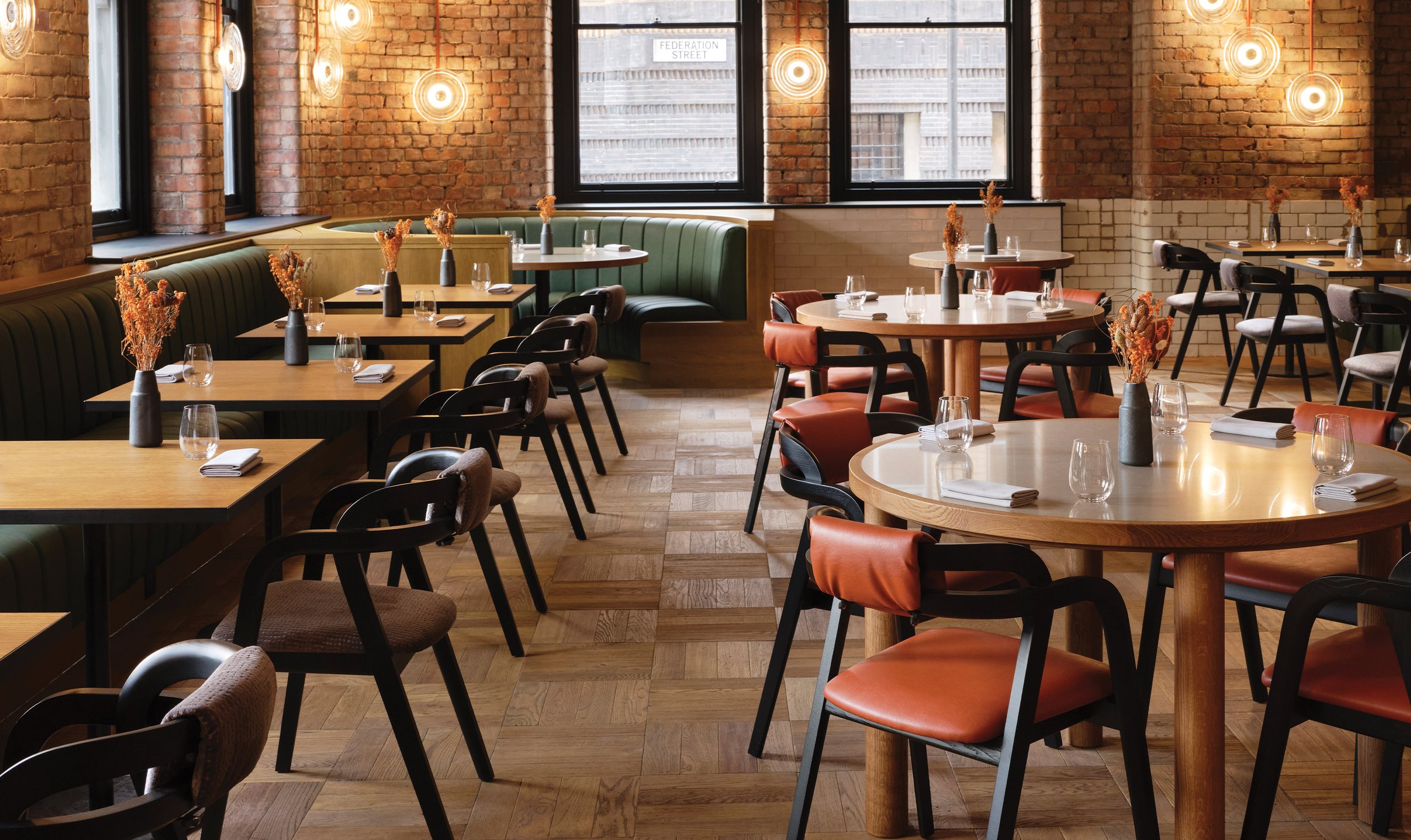
As well as in your home or in a residential commercial project, wood flooring can perform well in many retail, hospitality, workspace and leisure settings. The construction, wear layer, finish and maintenance plan should reflect the expected footfall and operating conditions. Early specification support will help establish the right product for the space.
Explore real wood flooring
The benefits of wood flooring begin with genuine material character and extend through design flexibility, stable engineered construction, ongoing care and long-term use. The right specification will bring these qualities together in a floor suited to the architecture and demands of the room.
Explore Ted Todd wood flooring, order free samples, or visit our Cheshire or London Design Centre to see the timber at a larger scale. For support with a residential or commercial project, contact our wood flooring experts.