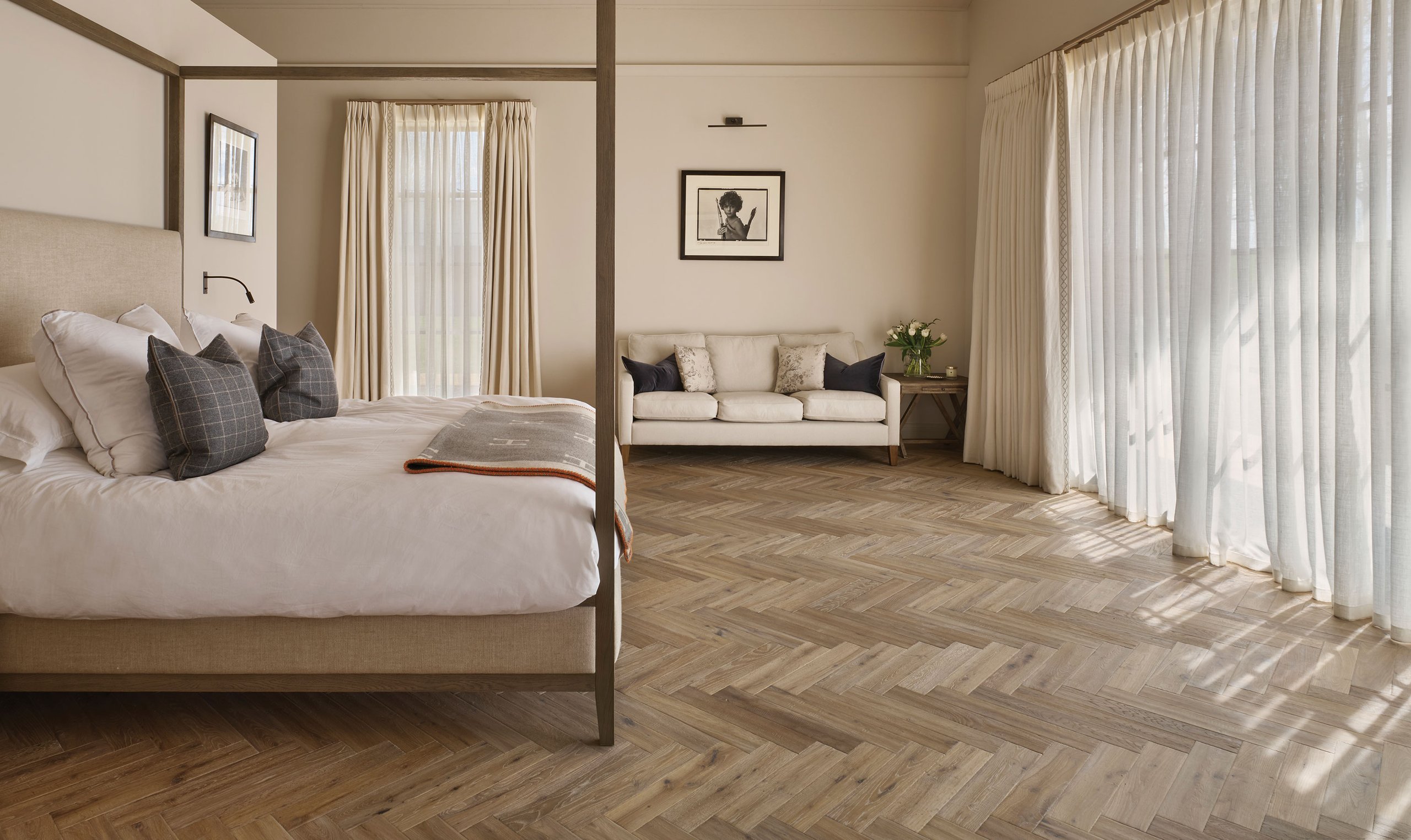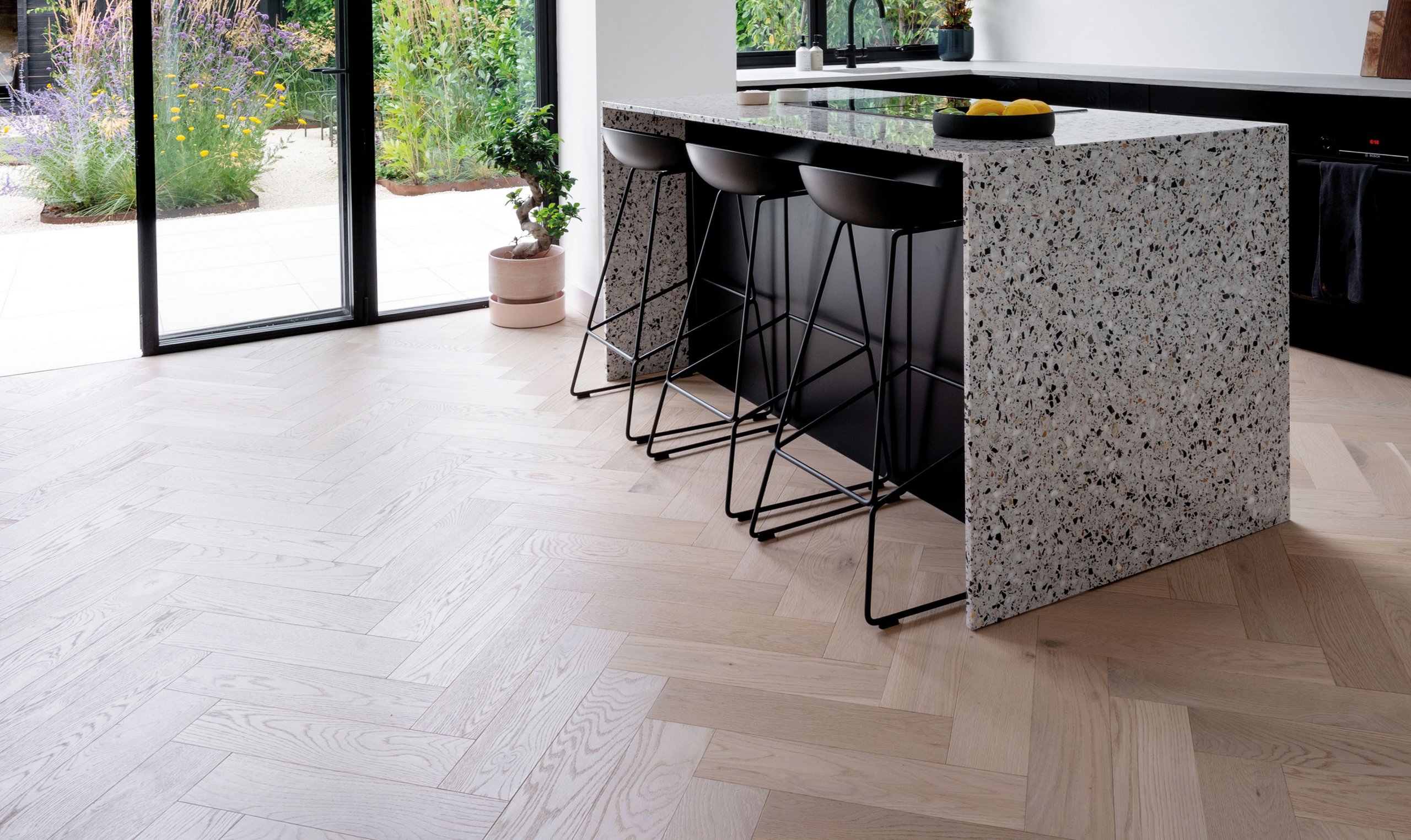
We spend much of our time indoors, so the materials used in our homes and commercial spaces matter. From paint and furniture to flooring and soft furnishings, everyday products can contribute to indoor air pollution through the release of airborne compounds.
Indoor air pollution refers to pollutants present in the air inside buildings. These can come from a range of sources, including building materials, paints, furniture, furnishings and cleaning products.
Unlike outdoor pollution, indoor pollutants can accumulate in enclosed spaces, particularly where ventilation is limited. Choosing materials carefully and maintaining good ventilation can therefore play an important role in creating healthier indoor environments.
What does VOC mean?
VOCs, or volatile organic compounds, are gases released by a range of products and materials used indoors. Paints, adhesives, furnishings, carpets and some building products can all be sources of VOC emissions.
The level and type of VOC emissions vary between materials and products. For anyone planning a renovation or new interior, checking product specifications and emissions information can help when comparing different materials.
What are SVOCs?
SVOCs are semi-volatile organic compounds. Unlike VOCs, which readily enter the air, SVOCs are less volatile and can settle into household dust and other surfaces over time.
They can be found in a range of manufactured products and furnishings. Research into the potential effects of long-term exposure is continuing, so reducing unnecessary sources of these compounds is a sensible consideration when selecting interior materials.
Can flooring affect indoor air quality?
Flooring is one of many materials that can contribute to the overall indoor environment, depending on its construction, materials, finishes and associated adhesives.
For projects where indoor air quality is a consideration, look beyond the appearance of a floor and check what it is made from, how it is finished and what emissions information is available.
Is wood flooring a lower-emission choice?
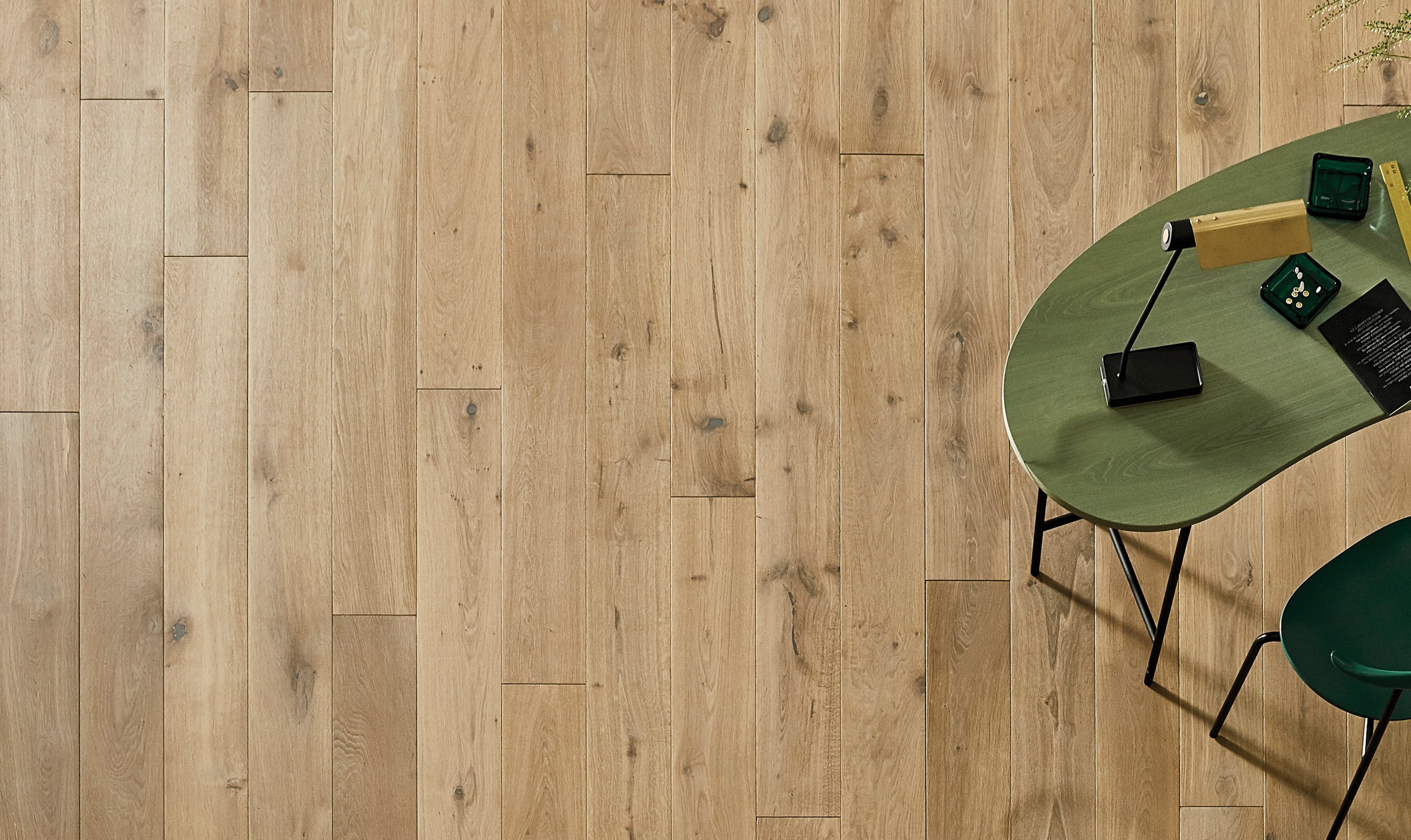
Natural timber can be a considered alternative to flooring products made predominantly from synthetic materials. Wood flooring is made from a natural material, although the complete product also includes elements such as finishes, adhesives and engineered construction layers where applicable.
At Ted Todd, wood-based products are stated as being low VOC and SVOC-free, with no PVC. These product-level claims should always be considered alongside the specific specification and technical documentation for the floor being selected.
Why material choice matters in a healthy interior
Indoor air quality is not determined by one material alone. Ventilation, heating, humidity and the combination of products used within a room all contribute to the indoor environment.
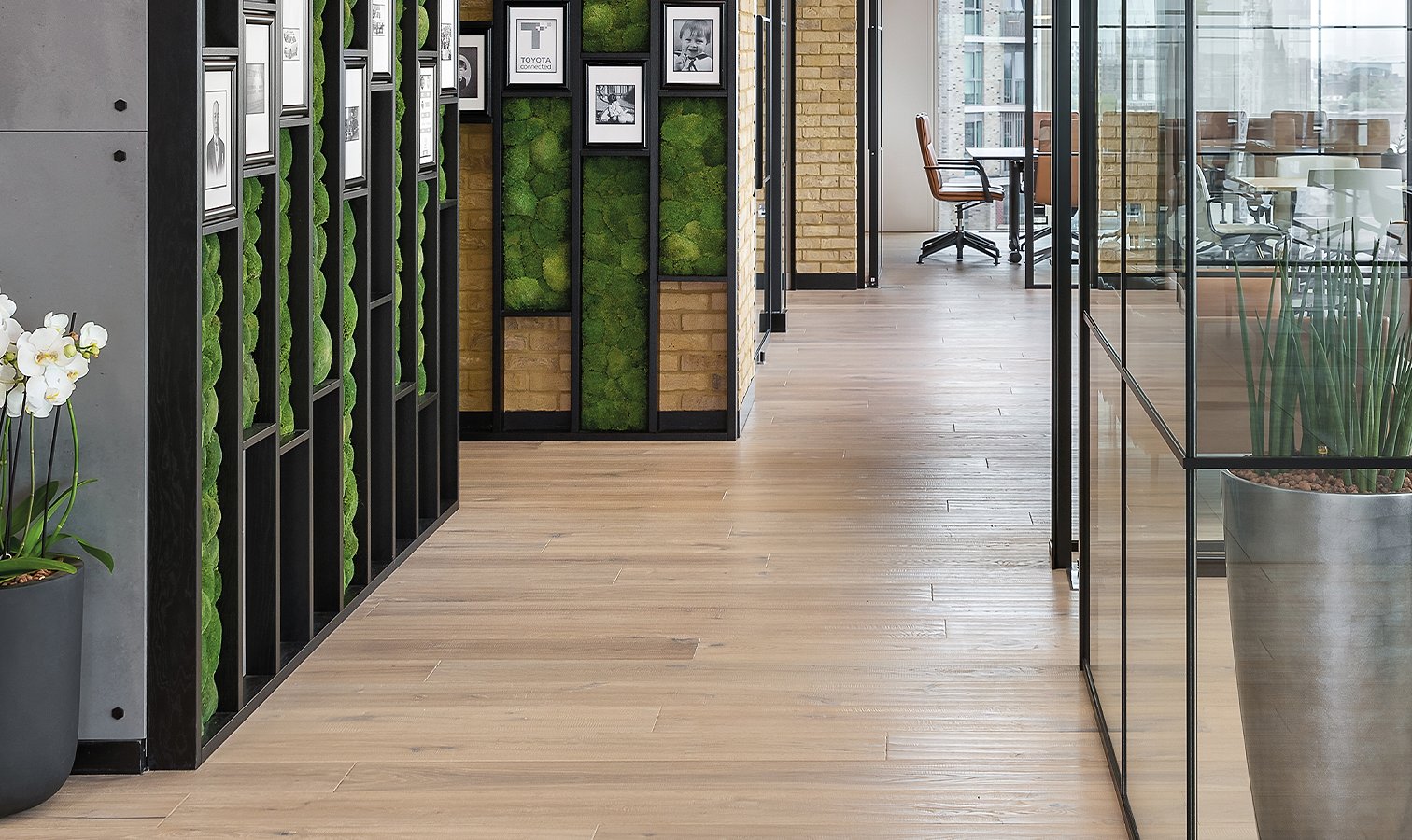
Flooring is, however, a significant surface within a space and one that is expected to remain in place for many years. Choosing a floor with clear information about its construction, finish and emissions can therefore be a worthwhile part of a wider material strategy.
For architects, designers and homeowners, this means considering more than colour and format. The material itself, its finish and its environmental credentials should all form part of the specification process.
How can you improve indoor air quality?
Material selection is one part of the picture. Good ventilation is also important, particularly when decorating, renovating or installing new products that may release emissions during or shortly after installation.
Allowing spaces to ventilate properly, following manufacturers' installation and curing guidance, and choosing products with clear emissions information can all help reduce unnecessary exposure to indoor pollutants.
For flooring specifically, always consider the complete installation system rather than the timber alone. The adhesive, underlay, finish and other associated products can all form part of the overall specification.
For more information about our VOC and SVOC floors get in touch.