Every tree begins with a seed, but its journey from germination to maturity can span decades or even centuries. Along the way, trees develop complex root systems, produce leaves that convert sunlight into energy and eventually become part of the woodland ecosystem in a different way.
Understanding the tree life cycle gives us a greater appreciation of timber as a natural material. From the first signs of growth to the role a fallen or decaying tree can play in supporting biodiversity, every stage has its own purpose.
The length of each stage varies considerably depending on the species, climate and growing conditions. There are an estimated 70,000 different species of trees. All start life as a seed but make a distinction in approach to germination. An oak, for example, follows a very different timescale from a faster-growing species.
Seed: From the beginning
Every tree begins as a seed containing everything needed to start a new plant with pure survival in mind.
How that seed reaches the right environment to germinate varies between species. Some trees rely on animals to disperse their seeds, while others use wind. Acorns from oak trees, winged seeds from maple and ash, and berries from species such as holly all demonstrate the different ways trees have adapted to reproduce, often for protection.
Once a seed reaches suitable conditions, moisture and warmth trigger germination.
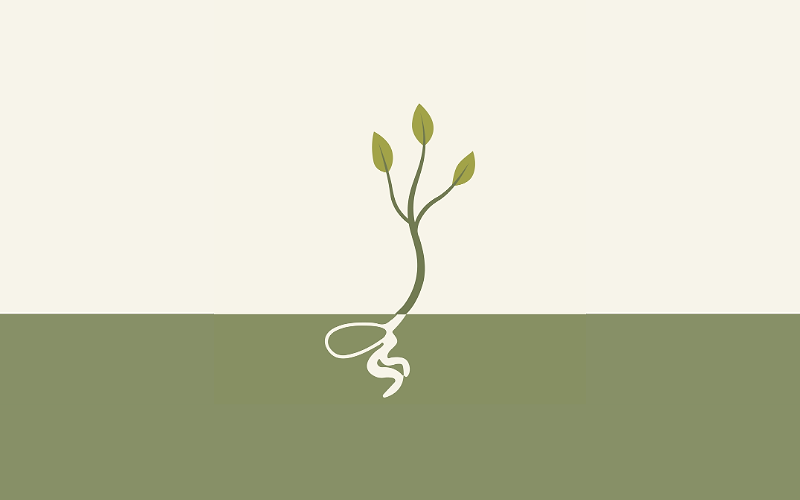
Sprout: first signs of growth
Germination marks the beginning of active growth.
The first root pushes down into the soil, anchoring the young plant and searching for the water and nutrients it needs. At the same time, the shoot begins to move upwards towards light.
This early stage is particularly vulnerable, as the young plant has little protection from grazing animals, disease and environmental conditions.
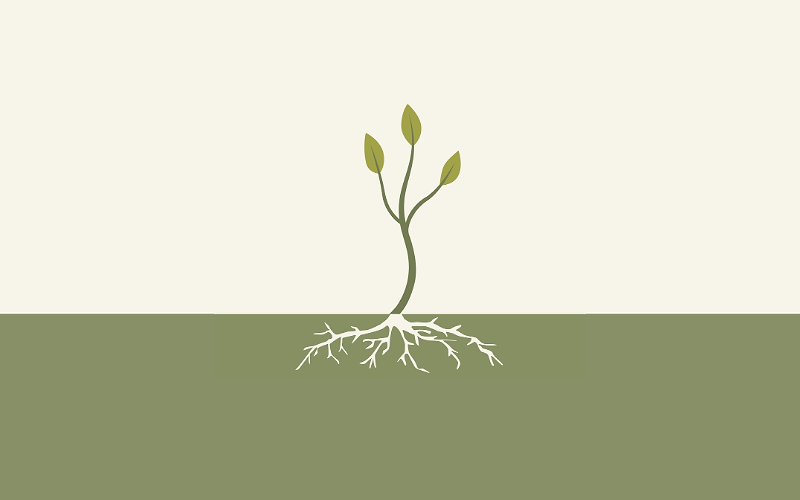
Seedling: a young tree takes shape
Once the emerging shoot breaks above the ground, the plant becomes a seedling.
A seedling is generally considered to be a tree less than a year old. At this stage, the young tree is focused on establishing its roots and developing the leaves it needs to produce energy through photosynthesis.
Survival during these early years is not guaranteed. Only those that successfully establish themselves continue into the next stage of growth.

Sapling: growing towards maturity
A surviving seedling eventually develops into a sapling.
The trunk begins to strengthen and the tree develops a more established structure, although it remains considerably smaller and more flexible than a mature tree.
For some species, this period can last many years. As the tree grows, its roots extend further into the surrounding soil and its canopy becomes increasingly developed.
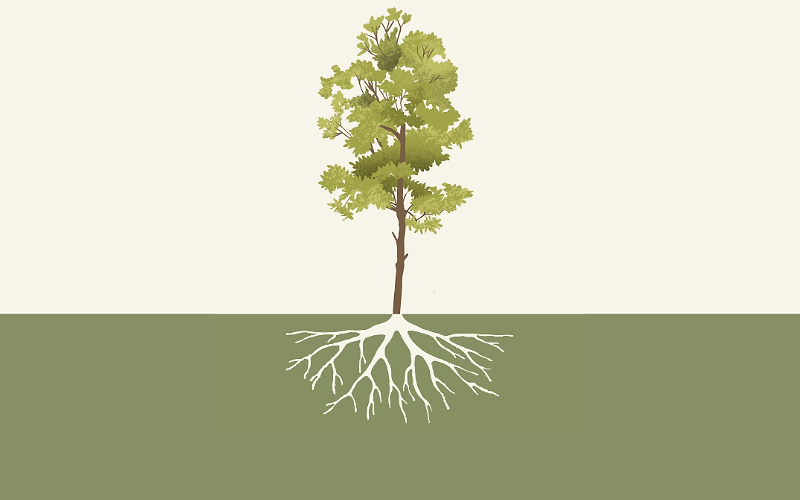
Mature trees: reaching their full potential
When a tree reaches maturity, it can begin producing seeds or fruit of its own, continuing the life cycle.
How long this takes depends heavily on the species. An oak may begin producing acorns after around 40 years and continue for several centuries, while other species mature and reproduce much sooner.
A mature tree also becomes an important part of its wider ecosystem. Its canopy provides shelter, its roots interact with the soil and its branches and leaves provide habitats and food for other organisms.
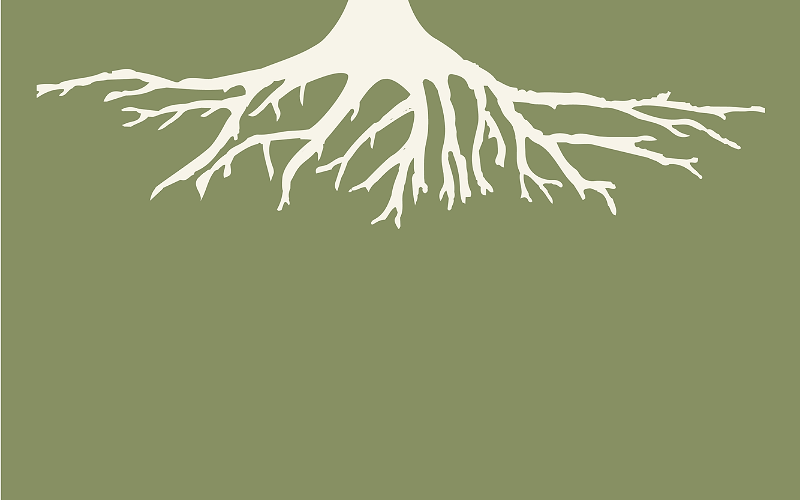
Roots: the foundation of a tree
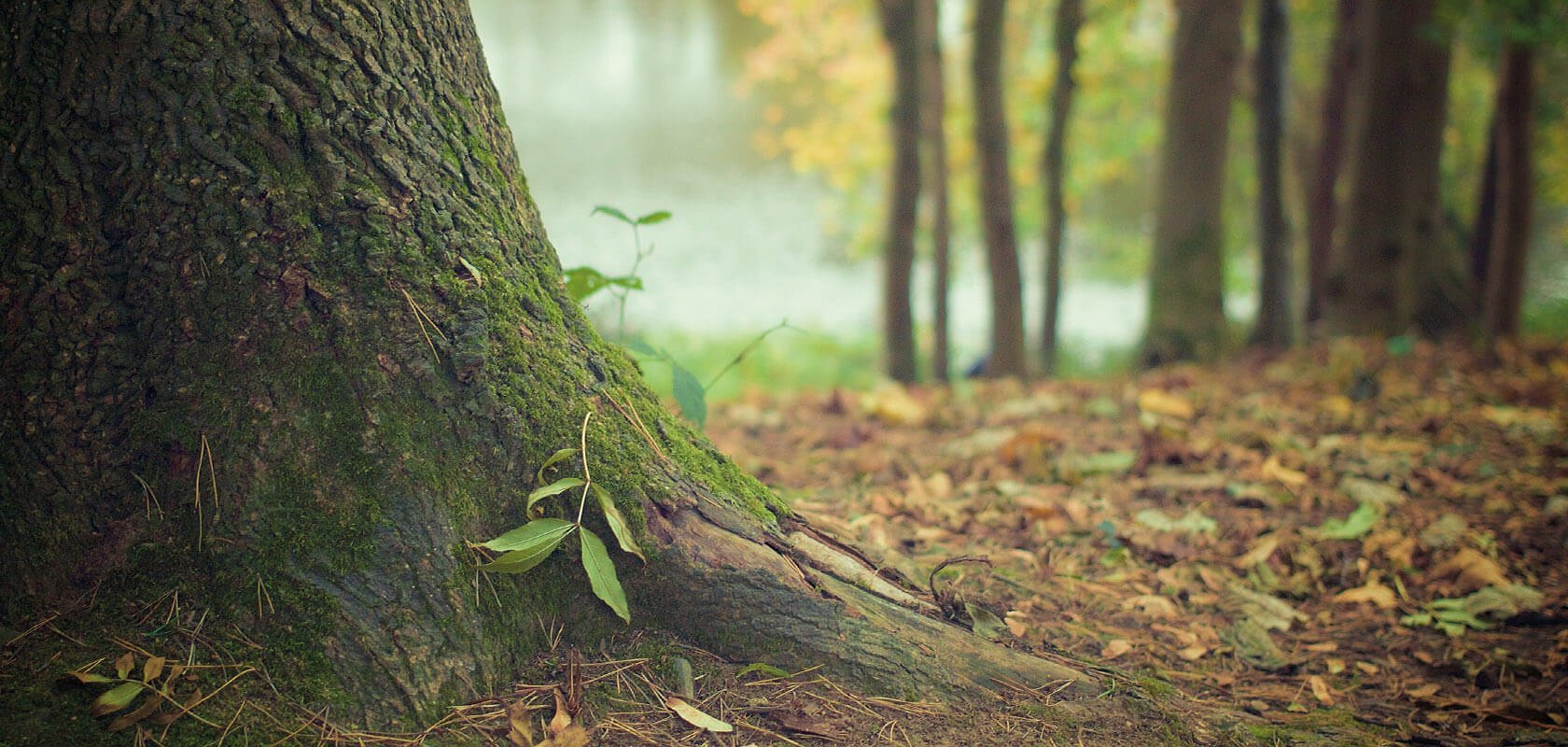
A tree's roots anchor it to the ground while absorbing the water and nutrients needed for growth.
Root systems vary significantly between species. Some trees develop deeper central roots, while others spread their roots horizontally through the upper layers of soil.
Roots can extend considerably beyond the visible footprint of the trunk and canopy, making the underground structure of a mature tree just as important as what we see above ground.
Leaves: nature's energy system
Leaves are essential to the growth and survival of a tree.
Through photosynthesis, leaves use sunlight to convert carbon dioxide and water into chemical energy that the tree can use for growth. Oxygen is released as part of this process.
The size and number of leaves allow a mature tree to capture significant amounts of sunlight, helping it produce the energy needed to maintain its roots, trunk, branches and new growth. A single fully grown oak may have over 700,000 leaves and soak up 1,400 litres of water a day.
This process also means trees play an important role in the movement of carbon through woodland ecosystems.
From tree to timber
The journey from seed to mature tree gives us a different perspective on the timber we use.
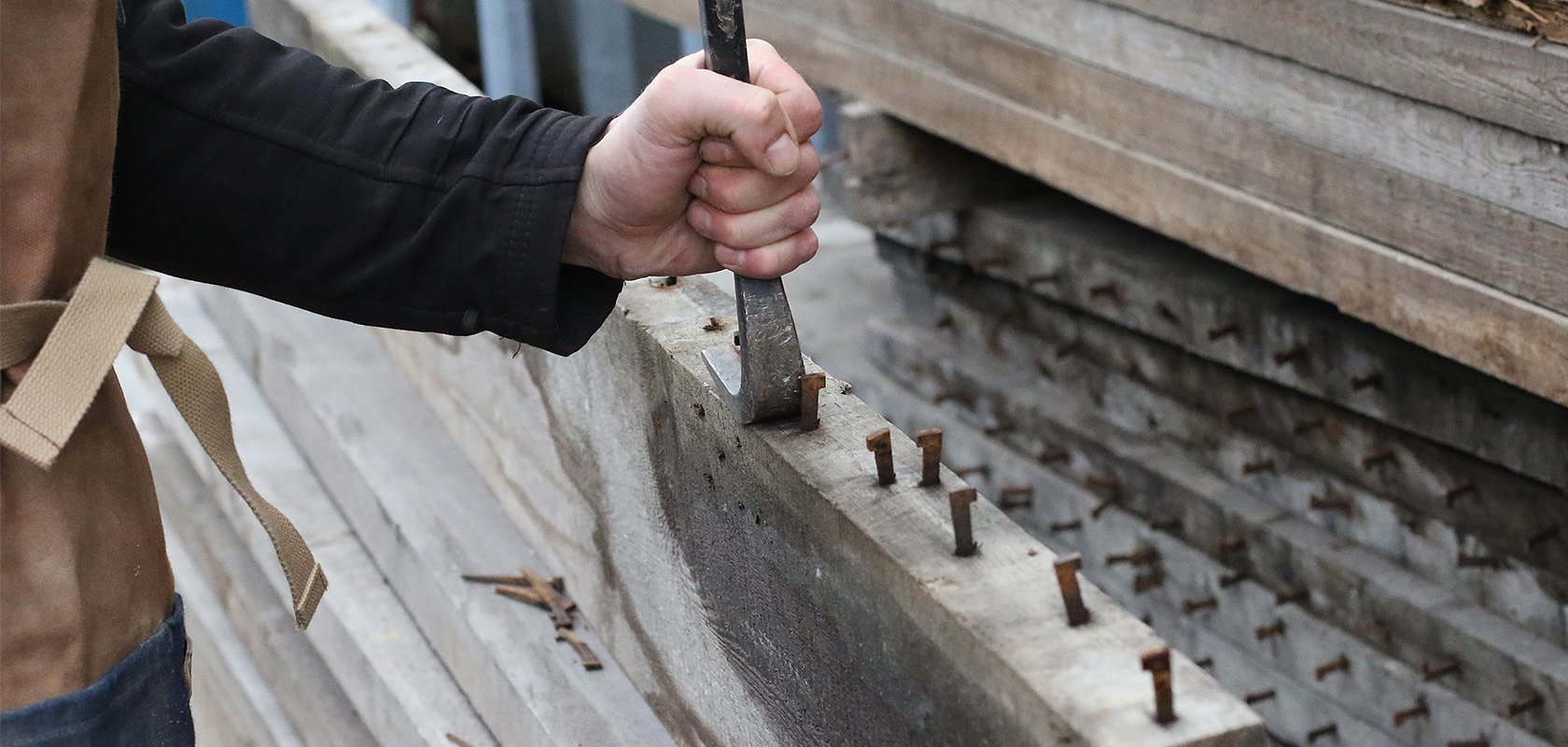
Every board contains the natural characteristics developed during the tree's lifetime. Grain direction, colour variation, knots and texture are all part of the material's natural story.
Once timber has been crafted into flooring, those characteristics remain visible. Rather than hiding the natural qualities of the wood, our floorcraft techniques are used to work with them and bring out the character of the timber.
Since 1997, we have been committed to sourcing timber from responsibly managed forests that have a clear chain of custody and adhere to fair trade standards. We believe in understanding where our timber comes from and using a natural resource responsibly.
Read our Sustainability Guide here
A new appreciation
A tree's life does not follow a simple beginning and end. Seeds create new growth, mature trees support surrounding ecosystems and decaying timber provides habitats before eventually returning nutrients to the soil.
Understanding this cycle highlights why wood is such a considered material. It connects the finished floor back to a much larger natural process, from the first seedling taking root to the mature timber that can eventually become part of an interior.