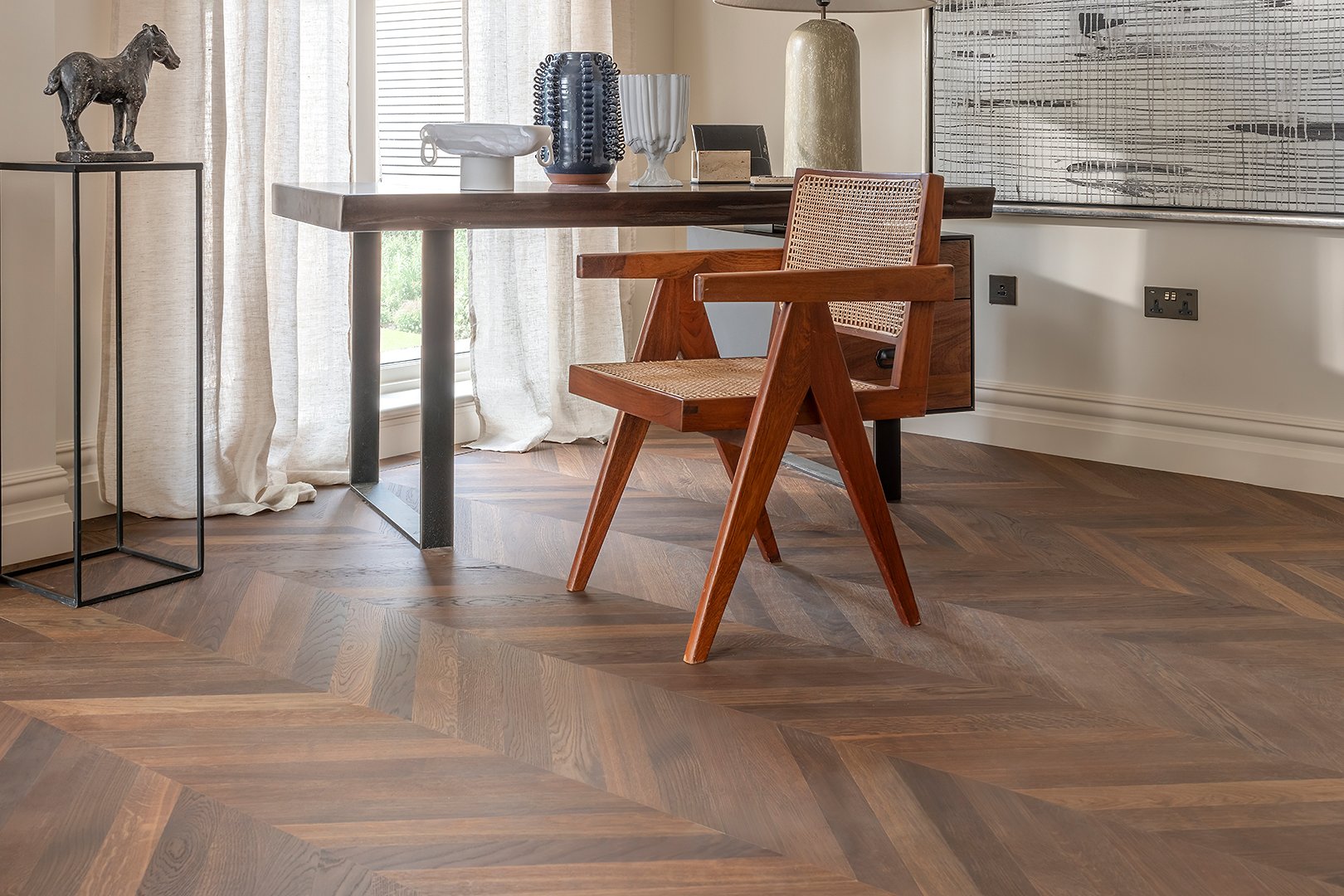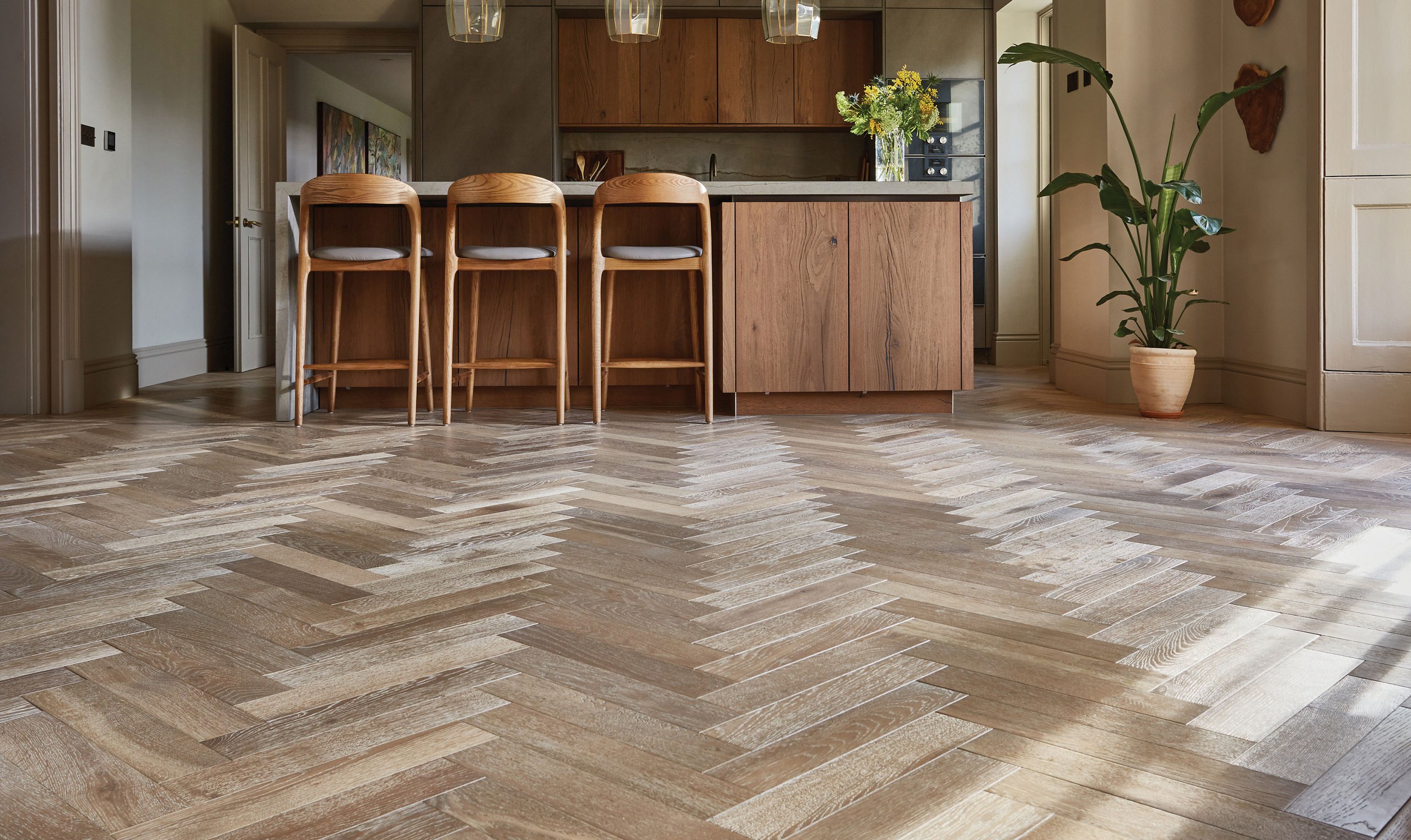
The kitchen is one of the busiest rooms in the home, so choosing a wood floor is about more than colour and pattern. The flooring needs to work with the way the space is used, from everyday footfall and dining to the occasional spill.
The best wood flooring for a kitchen depends on several factors, including the construction, species, grade, finish and how much maintenance you are prepared to give it. Oak is a particularly versatile choice, offering a wide range of colour tones, grain character and textures, while engineered construction can provide the stability needed for modern kitchen environments.
Here, we look at what to consider when choosing a wooden kitchen floor, from the type of timber to the finish and ongoing care.

Can you have wood flooring in a kitchen?
Wood flooring can work particularly well in kitchens when the right product, finish and installation method are selected.
Kitchens experience more moisture and footfall than many other rooms, so the floor needs to be able to cope with everyday use. Spills should be dealt with promptly, while a suitable protective finish helps shield the timber from surface wear and staining.
It is also important to consider the wider installation environment. Temperature and humidity can affect natural timber, so the floor should be installed in accordance with our installation guidance and the conditions of the room.
What is the best wood for a kitchen floor?
There is no single species that is right for every kitchen. The best choice depends on the look you want to create, how heavily the room will be used and the level of natural variation you prefer.
Oak kitchen flooring
Oak remains a versatile choice for kitchen floors because of the range of tones, grain patterns and textures available. From pale, understated oak through to warmer and more characterful finishes, the species can work across traditional, contemporary and transitional interiors.
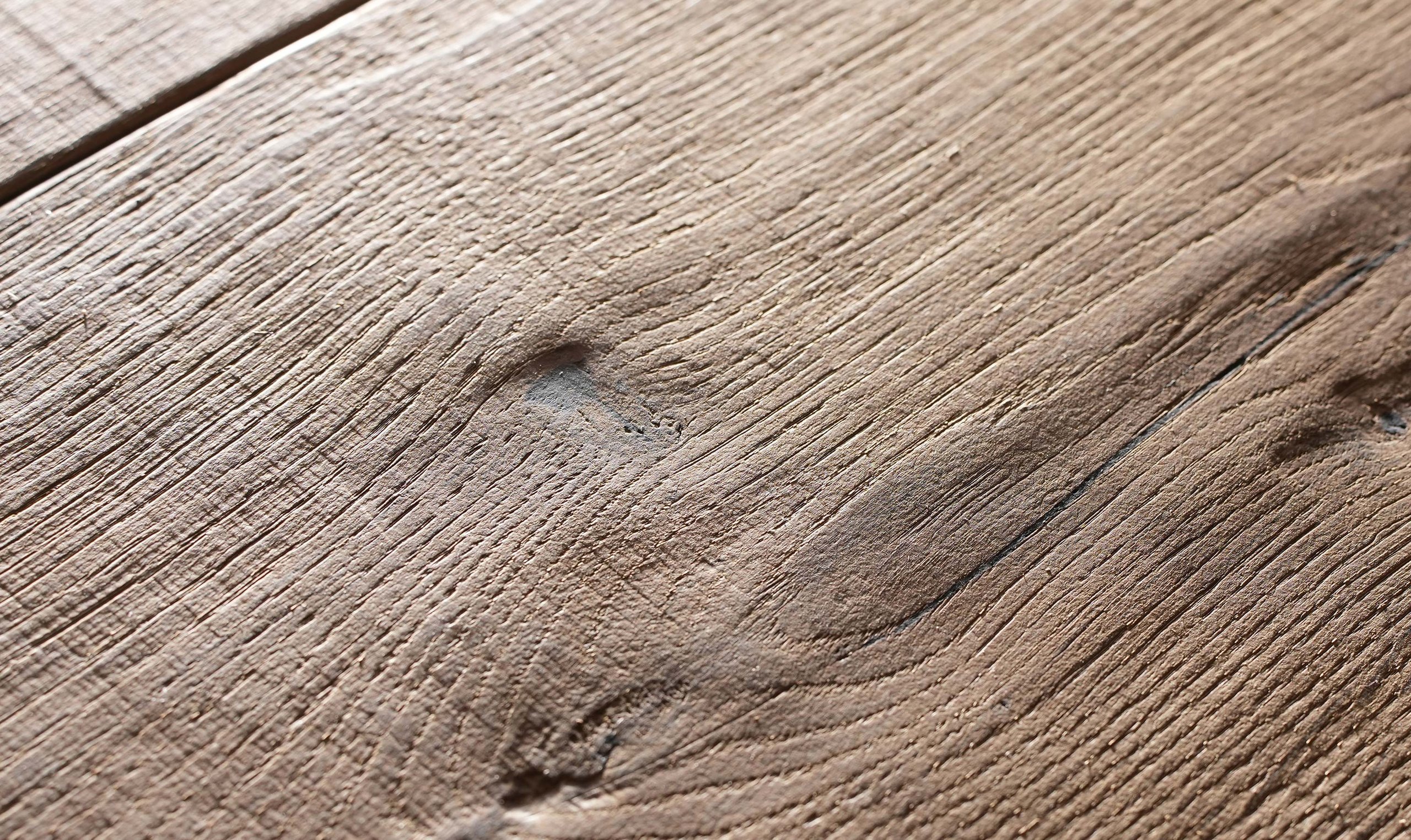
The grade of the timber also affects the finished appearance. A more uniform grade creates a quieter surface, while nature grades introduce knots and greater variation in the grain. This can be particularly useful in a busy kitchen, where natural character can sit comfortably alongside everyday marks and changes over time.
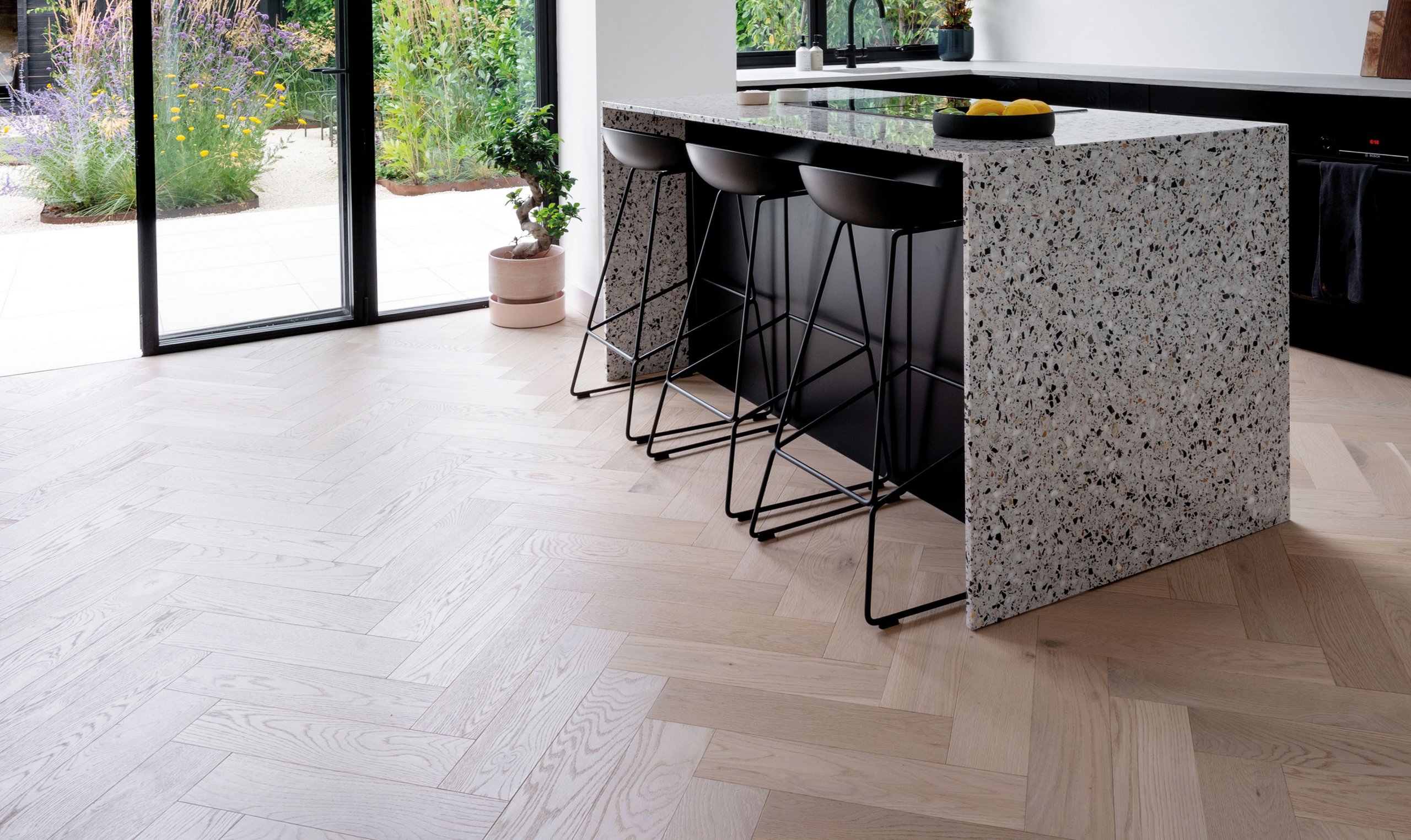
Oak kitchen flooring
Oak is not the only option. Other timbers can introduce different colour tones and grain characteristics, depending on the overall design of the room.
American Black Walnut, for example, brings deeper brown tones and a more distinctive grain, while other species can provide a different balance of colour and texture.
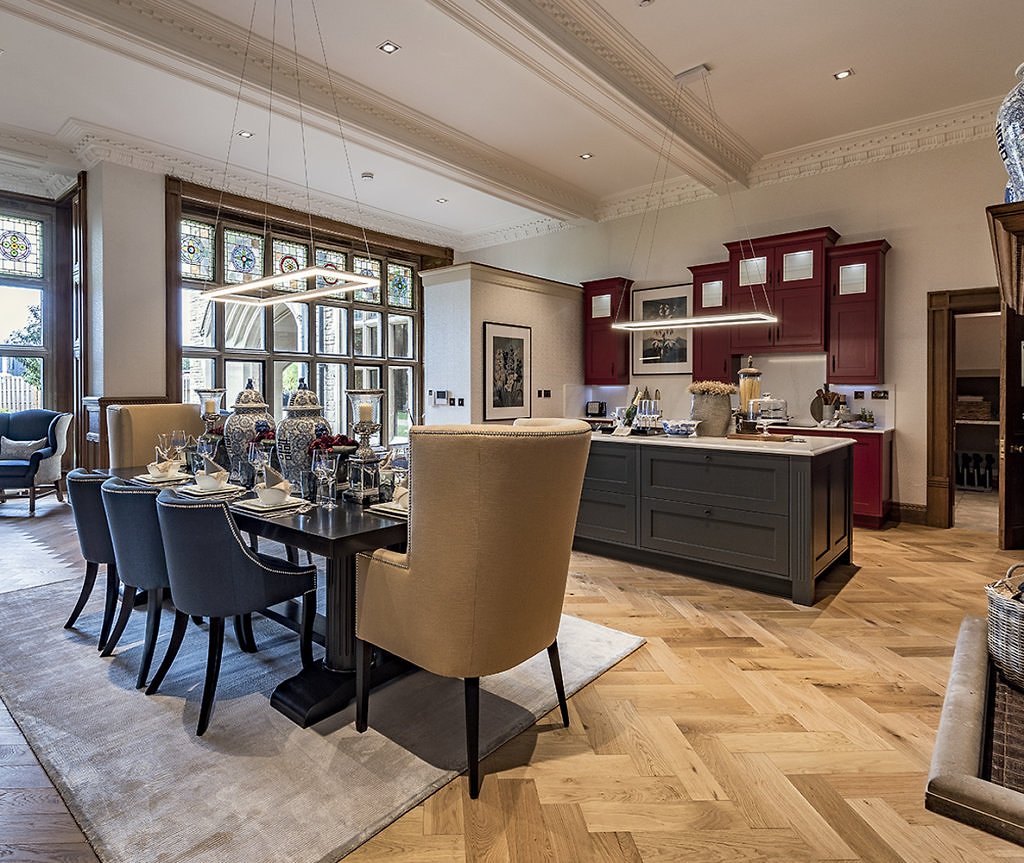
Is engineered wood flooring good for kitchens?
Engineered timber is often a practical choice for kitchen flooring because its layered construction is designed to provide greater dimensional stability than a solid timber board.
An engineered floor is made from layers of timber, with a real hardwood wear layer on the surface. The construction allows the floor to respond more consistently to changes in temperature and humidity, provided it is correctly specified and installed.
This can be particularly relevant in open-plan kitchens where the floor may extend into dining and living areas, creating one continuous material across several spaces.
What wood flooring finish is best for a kitchen?
The finish is an important consideration for any kitchen floor. It forms the protective surface of the timber and influences both how the floor looks and how it should be maintained.
A lacquered finish creates a protective layer over the wood, making it a practical option for areas exposed to regular footfall and everyday spills. Oiled finishes, meanwhile, allow the natural texture and character of the timber to remain more apparent and can be maintained as part of a regular care routine.
The right finish will depend on the specific floor, the way the kitchen is used and the appearance you want to achieve.
Learn more about the different wood finishes.
How to care for a wooden kitchen floor
A wood floor in a kitchen will naturally encounter more everyday activity than flooring in a less frequently used room. Spills should be cleaned promptly rather than being left to sit on the surface. Regular sweeping or vacuuming also helps remove grit and debris that can contribute to surface wear.
For ongoing cleaning, use products that are appropriate for the specific finish on your floor. Ted Todd Floor Care Systems are specially formulated for our floors and are designed to clean the surface while helping to maintain the finish.
Using the correct Floor Care System as part of a regular cleaning routine helps protect the floor from everyday wear and supports its appearance over time.
Read more: Floor Care Advice
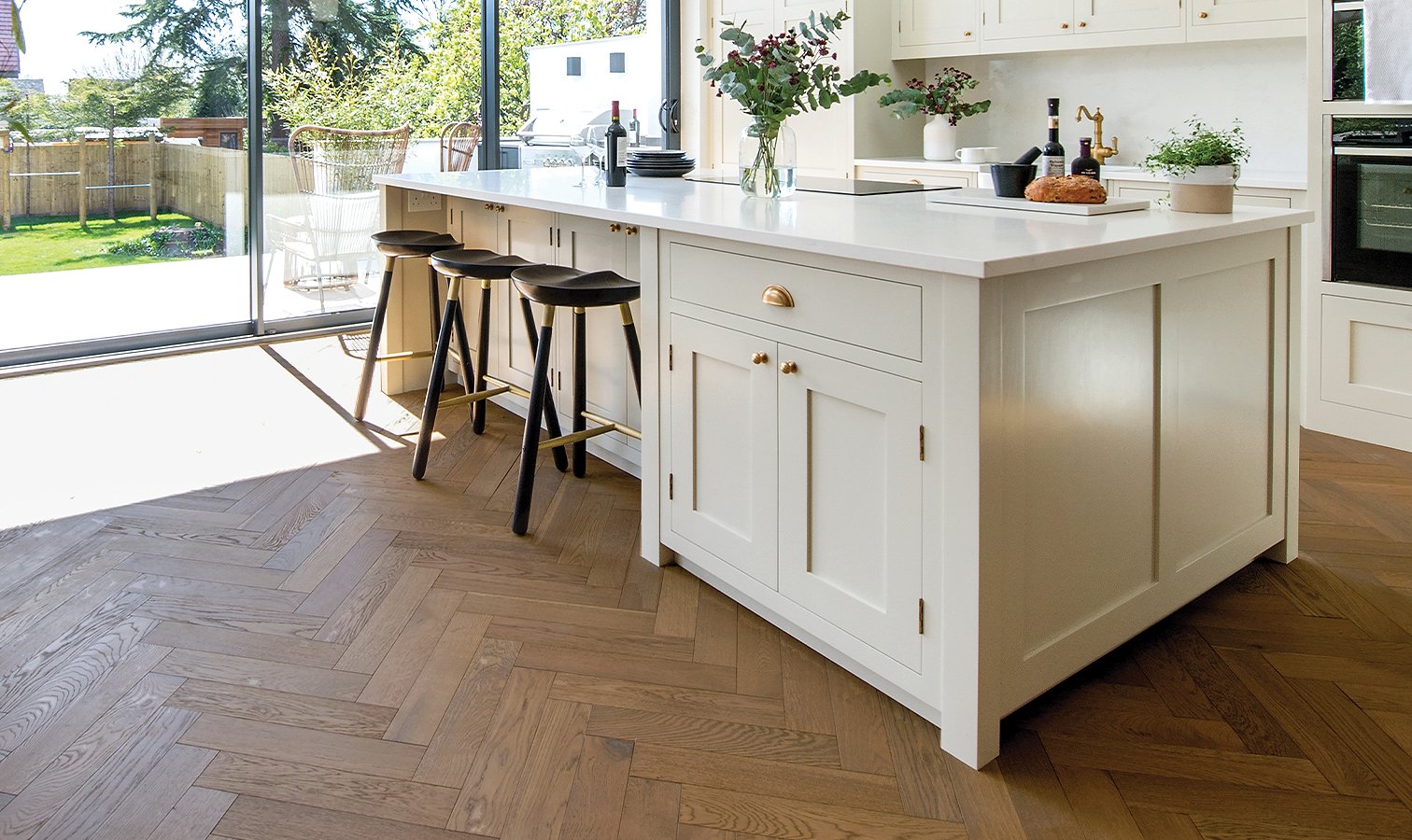
Wood flooring and underfloor heating
Underfloor heating is increasingly common in kitchen extensions and open-plan spaces, but not every timber floor is suitable for every heating system.
Engineered timber can be specified for use with underfloor heating where the individual product has been approved for the application. The installation must follow the flooring manufacturer's guidance, including requirements relating to subfloor conditions, moisture and maximum surface temperature.
If underfloor heating is part of your project, it is worth considering this at the flooring specification stage rather than after the floor has been selected.
Discover more kitchen flooring inspiration here. If you need any further advice on the best wood flooring for kitchens, get in touch, and we can advise on a floor that best suits you and your lifestyle.