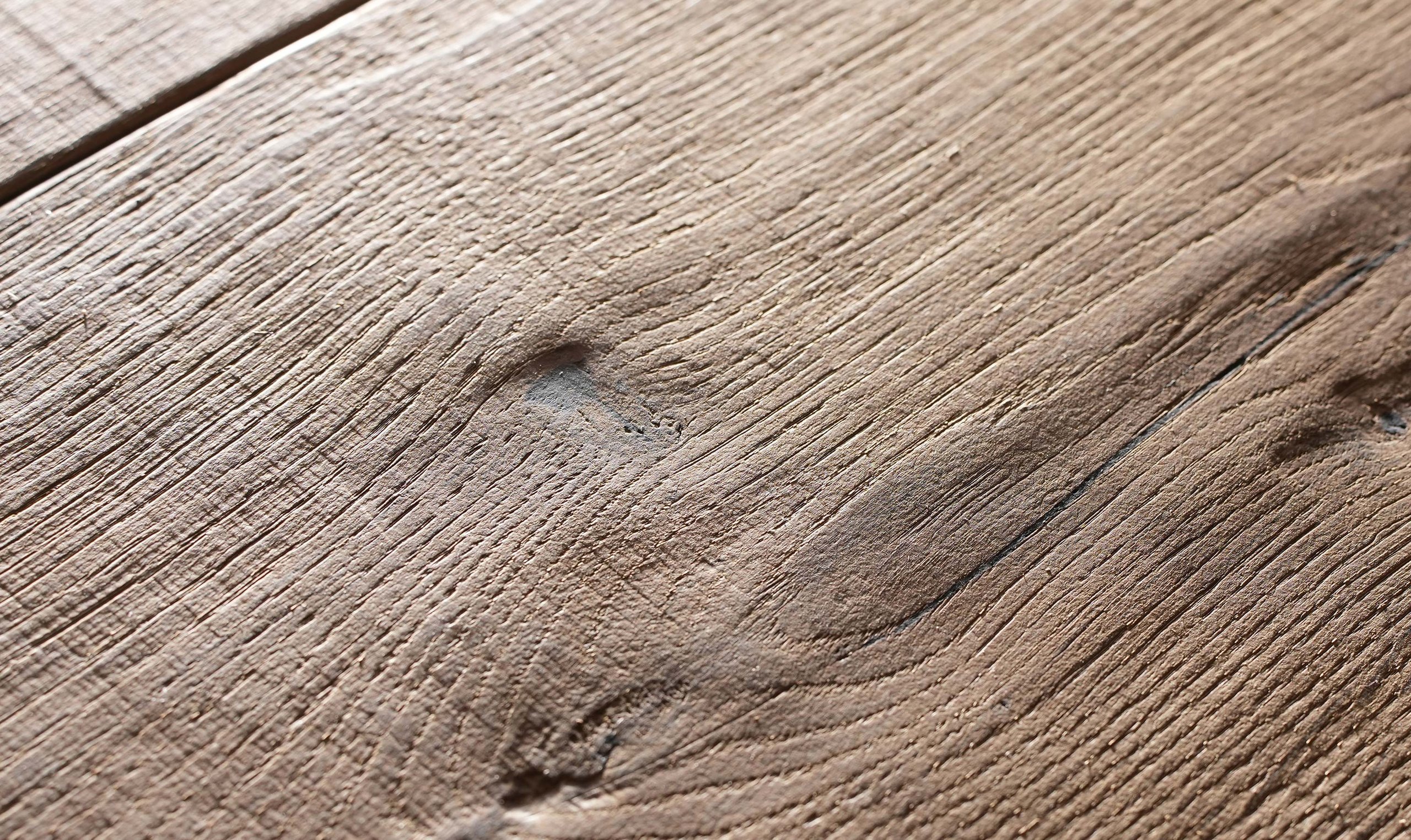
Wood flooring has been part of interior design for centuries. From wide oak boards in Tudor homes to the intricate parquet floors of Versailles and the engineered timber floors used today, the way we use wood underfoot has continually evolved.
Changes in architecture, technology and interior design have all influenced the development of wood flooring. Yet many of the formats and materials we use today have their roots in historic floors.
Tudor wood flooring: 1485–1603
Typically, houses featured flagstone, brick, or tiled flooring on their lower levels, while the upper stories had wooden floors.
STYLE
In Tudor England, the type of flooring in a home often reflected the social status of the occupants and the craftsmanship of the era.
DESIGN
Wide oak planks were laid in mixed widths parallel to one another across the floor with varying dimensions up to 60cm wide.
SPECIES
Oak was most used, occasionally elm, and in some wealthier households, exotic hardwoods such as walnut were used to create decorative flooring patterns.
Jacobean flooring: 1603–1625
The Jacobean era marked a transition from the elaborate and ornate Elizabethan style to a more restrained and sophisticated design aesthetic.
STYLE
Not only seen in grand country estates but also in more modest homes, Jacobean wood flooring and panelling added a sense of order and symmetry to interior spaces.
DESIGN
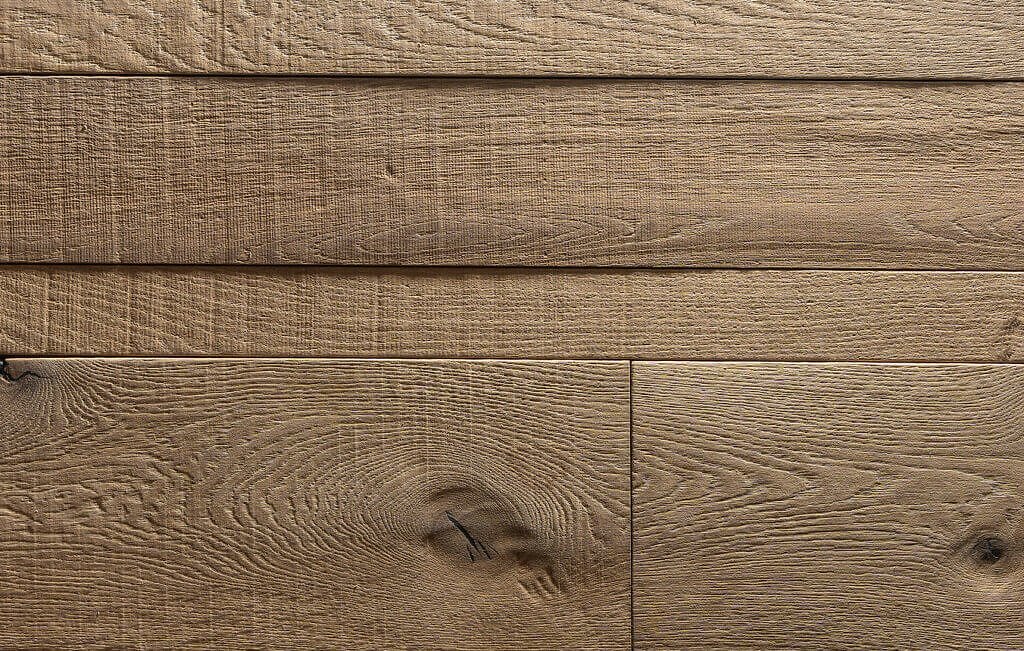
Defined by dark stains or finishes, Jacobean wood flooring featured simple geometric patterns like squares, rectangles, and diamonds.
SPECIES
Oak, which was abundant and known for its durability, was often sourced locally, making it a popular choice for flooring.
Baroque flooring and the rise of parquet: 1625–1714
Characterised by its opulence, grandeur and a focus on intricate details, wood flooring during the Baroque period played a significant role in interior design and architecture.
STYLE
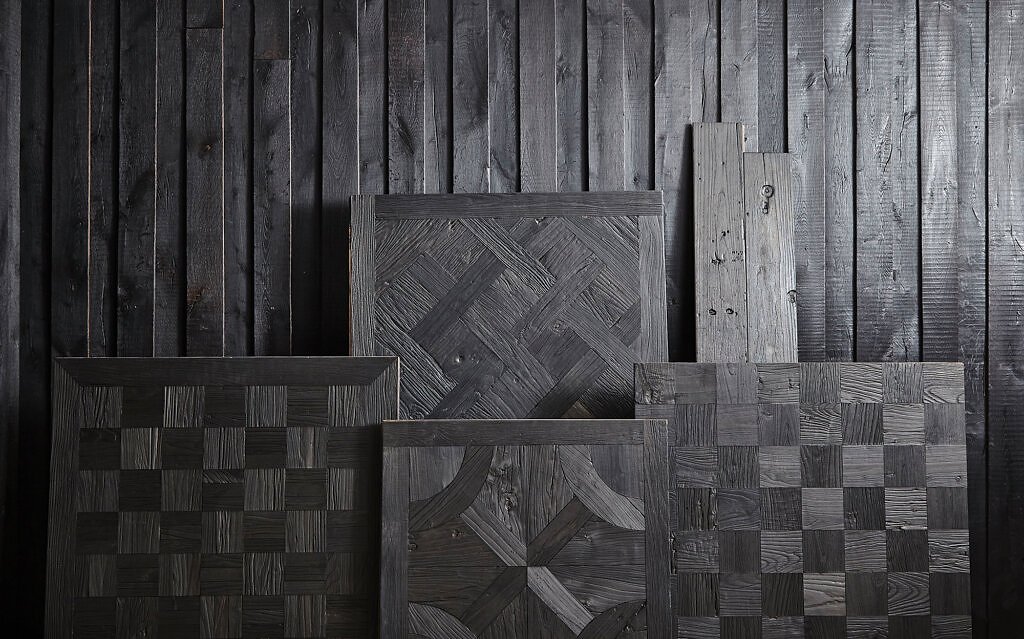
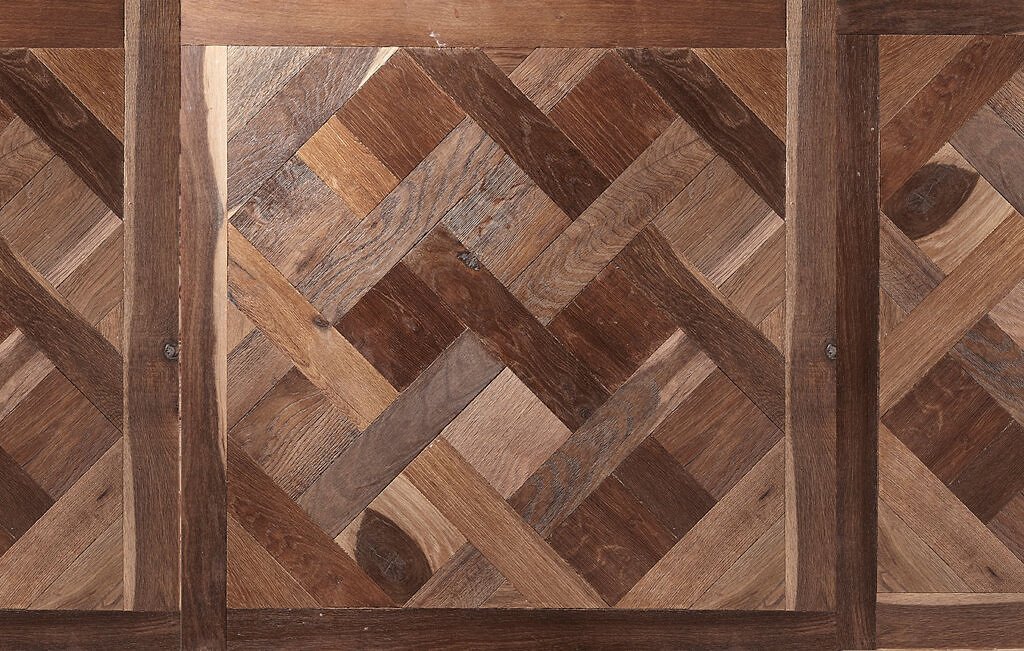
The Palace of Versailles in France, built during the Baroque era, greatly impacted interior design, especially wood flooring. The famous Versailles pattern, with its interlocking squares and diagonal parquet, became a symbol of the era.
DESIGN
Herringbone and Versailles patterns were particularly fashionable during this time and featured intricate inlays made of contrasting wood species, metals, or even precious stones.
SPECIES
Exotic woods like ebony and rosewood were also used to create intricate patterns and designs. Oak, walnut, and cherry were popular choices due to their durability and rich, warm tones.
Georgian wood flooring: 1714–1830
Wood flooring during the Georgian period underwent significant changes and developments that reflect the design trends of the time.
STYLE
The Georgian era was characterised by various architectural styles, such as Palladian, Neoclassical, and Georgian Gothic. Wood flooring designs often mirrored these, adapting to the changing tastes of the time.
DESIGN
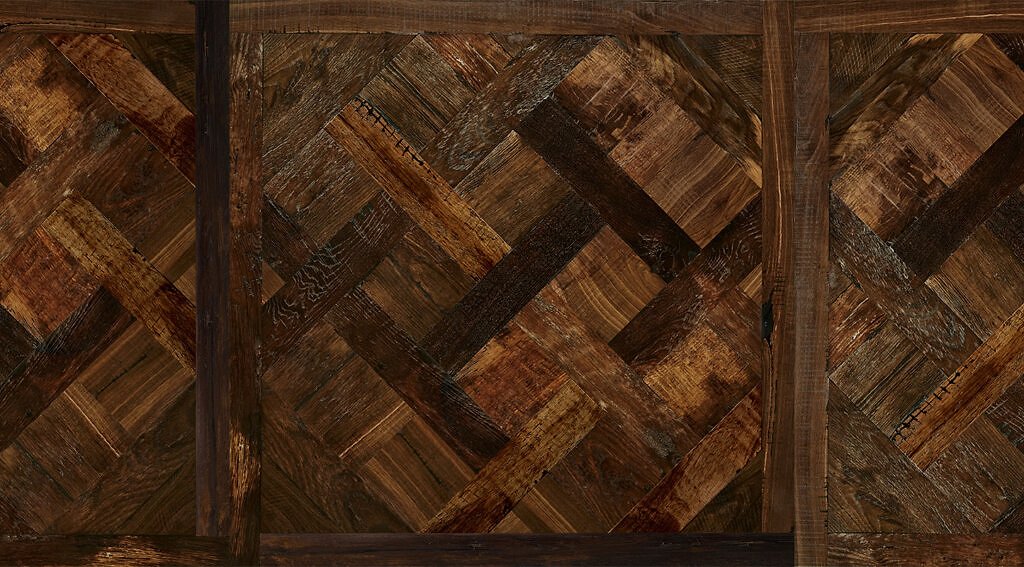
Wide plank flooring was prevalent during the early Georgian period. These planks were often hand-hewn and varied in width, giving a rustic yet elegant look. Over time, boards became narrower, and fixed-width planks were also introduced.
SPECIES
In grand homes and public buildings, mahogany was a luxury choice due to its rich, dark colour and elegant appearance. In less formal or more modest homes, Baltic fir and pine were also used due to their affordability.
Victorian and Arts & Crafts flooring: 1837–1901
Wood flooring gained popularity in both residential and commercial spaces. Many Victorian homes still have their original wood flooring, often restored to preserve historical character.
STYLE
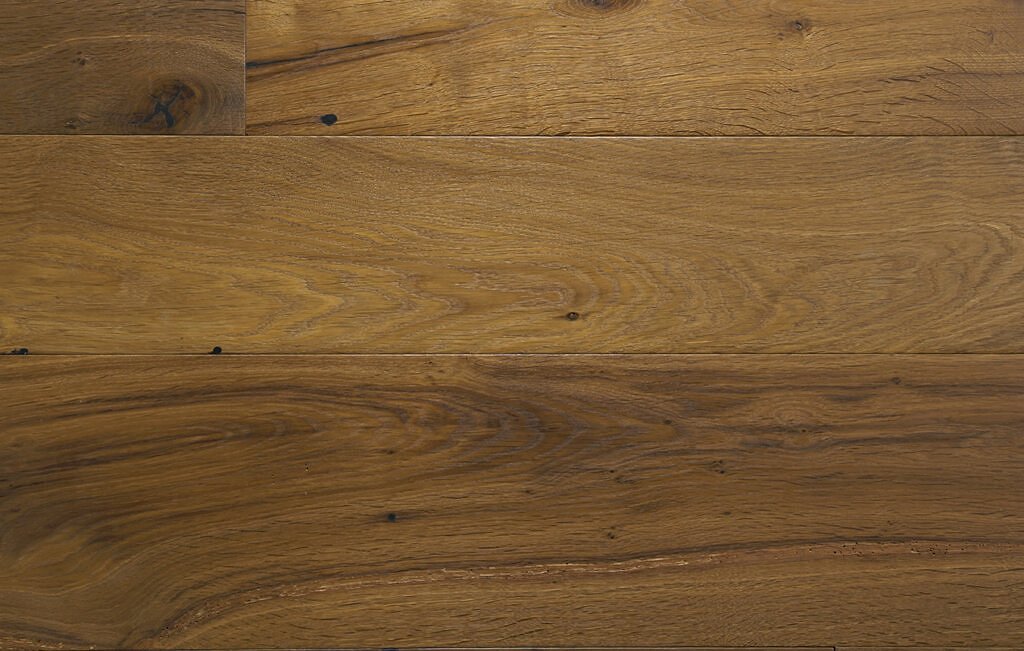
Victorian wood floors had high-gloss finishes and dark stains, emphasising opulence. The Arts & Crafts movement preferred natural, matt finishes and lighter wood tones to align with craftsmanship and nature.
DESIGN
Victorian homes favoured intricate inlaid patterns, while the Arts & Crafts movement opted for straightforward plank and strip layouts to showcase the wood’s natural beauty.
SPECIES
In the Victorian era, oak, mahogany, and walnut hardwoods were used for their durability and rich, dark tones. In the Arts & Crafts movement, which emerged later, oak and pine became popular for their simplicity.
Edwardian wood flooring: 1901–1914
The Edwardian era is known for its emphasis on elegance, craftsmanship, and a desire to create more comfortable living spaces.
STYLE
Influenced by various design movements of the time, Edwardian-era wood flooring continues to inspire homeowners and designers who seek to capture the timeless beauty and sophistication of wood floors in their own spaces.
DESIGN
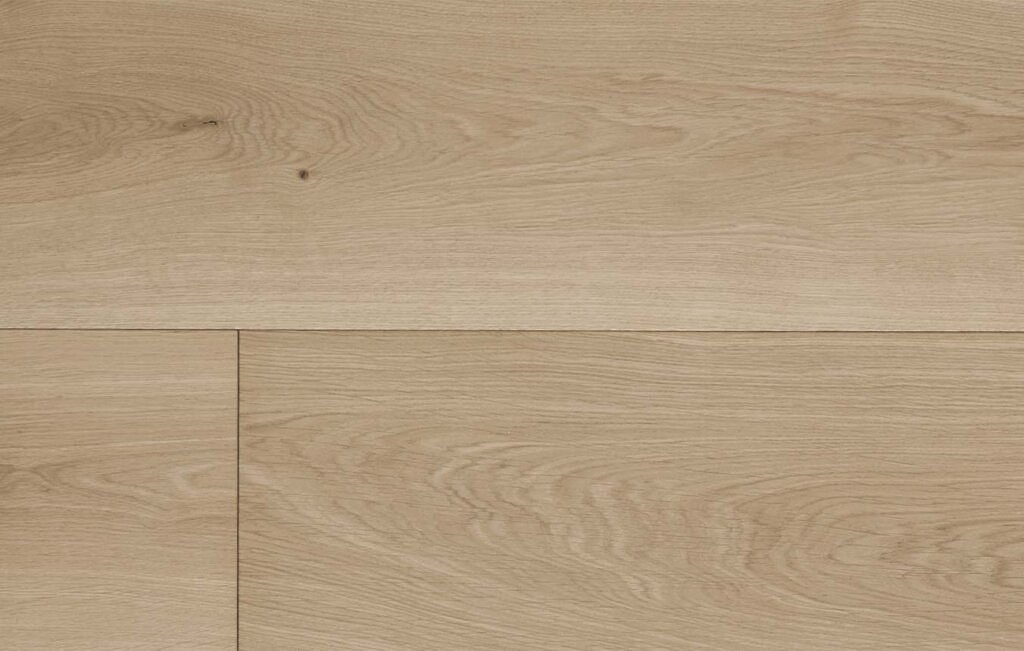
The Edwardian period marked the transition from handcrafted to machine-produced wood flooring. Parquet designs featured decorative inlays and borders.
SPECIES
Oak, mahogany and pine remained popular choices for floors depending on the setting.
Wood flooring in the 20th century
The 20th century saw a wide range of wood floor styles, materials, and trends. From traditional hardwoods to engineered options and sustainable choices, the industry evolved to meet the changing needs and preferences of homeowners and designers.
STYLE
The mid-20th century saw the rise of engineered wood flooring which emerged as a more practical and cost-effective alternative to solid hardwood. The mid-century modern design movement also influenced interior decor, including flooring.
DESIGN
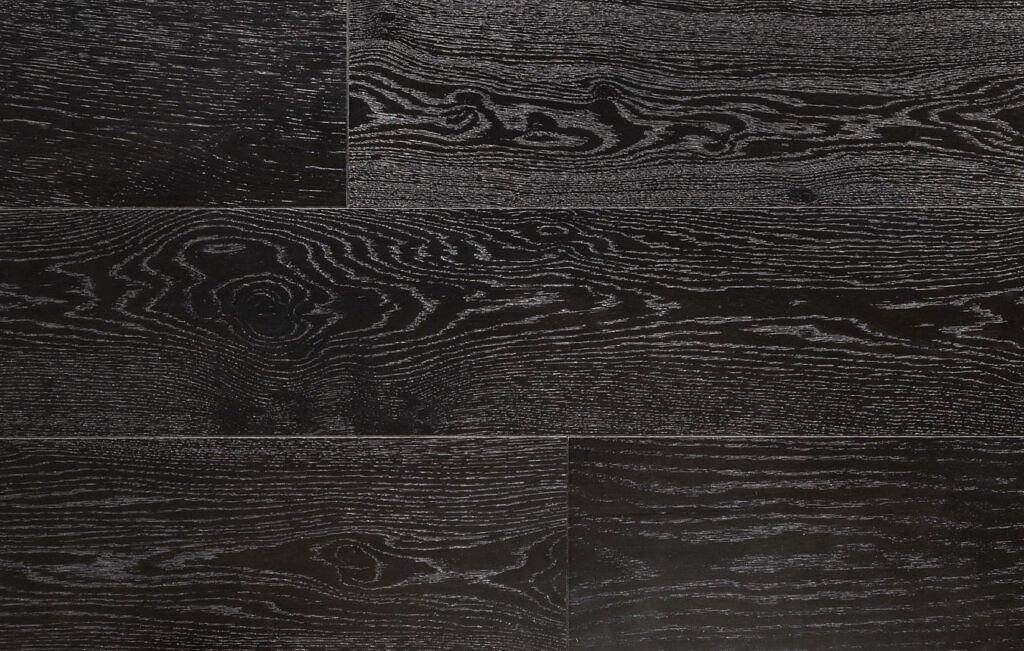
This era saw the use of bold, contrasting wood stains and finishes. Parquet flooring also gained popularity. As historic preservation gained importance, efforts were made to restore and maintain older wood floors.
SPECIES
Lighter wood species, such as birch and beech, were preferred for their clean, minimalist look. Traditional hardwoods like oak, maple, and cherry were also used.
Wood flooring today
In the 21st century, there has been a growing emphasis on sustainability in the wood flooring industry. Consumers and businesses alike have become more conscious of the environmental impact of their choices.
STYLE
The range of choices continues to evolve with a floor to suit every taste and style. Technological advancements are also making their way into the industry with floors that can regulate temperature, provide lighting, and even charge devices wirelessly.
DESIGN
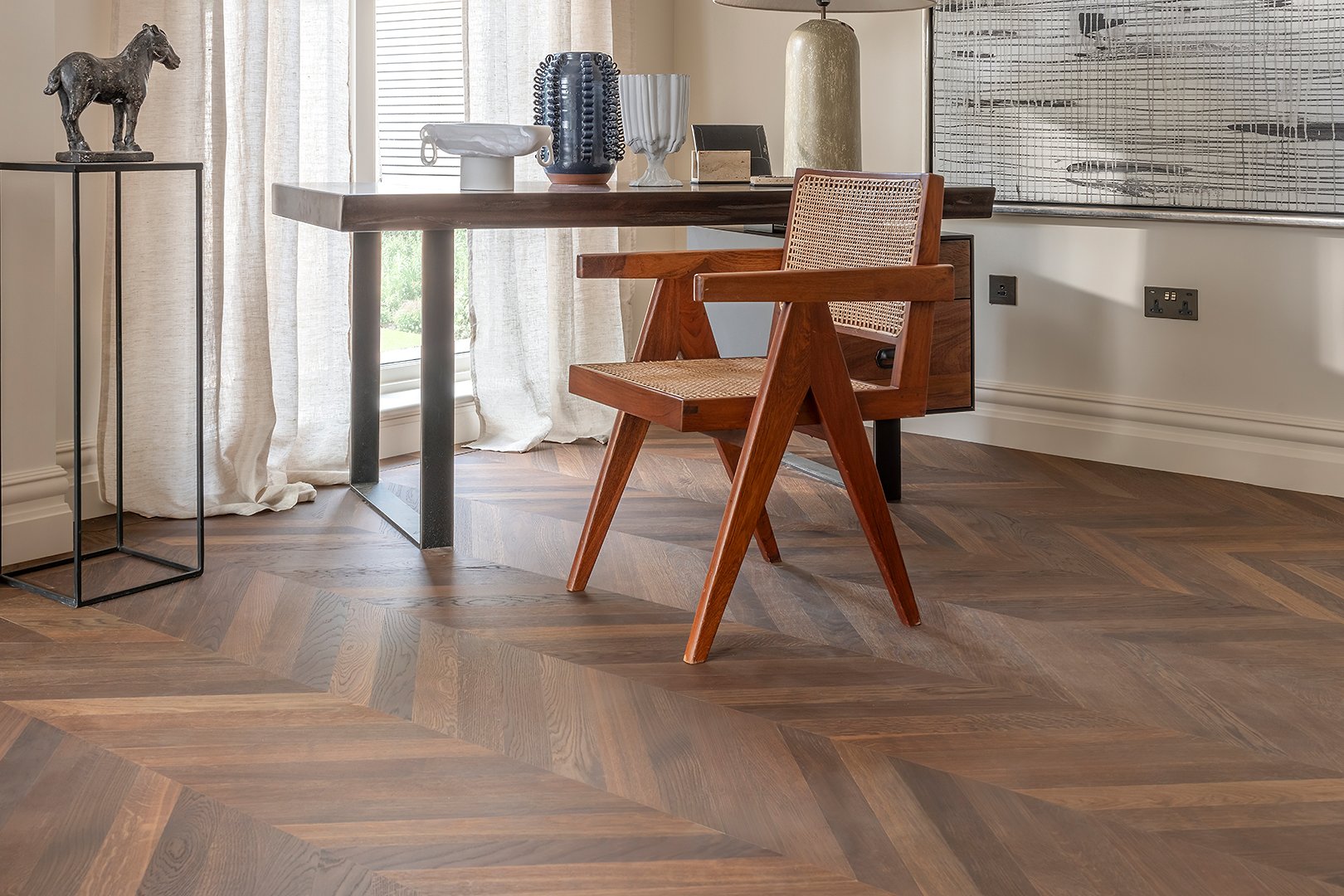
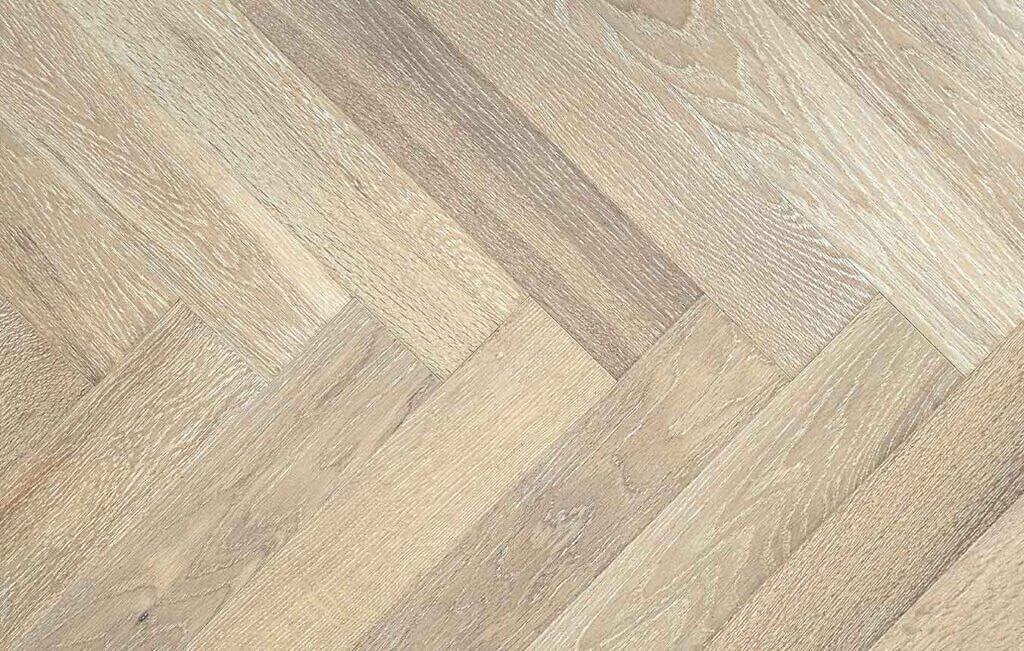
Wide plank wood flooring, natural and low-sheen finishes, and bespoke options are all design trends seen so far in the 21st century. End grain planks and hexagonal wood flooring are on the rise in 2024.
SPECIES
Sustainable wood species like certified oak and reclaimed wood offer environmentally conscious choices. Our sister brand Karta offers flooring constructed from reusable materials – such as denim rescued from fast fashion landfill, and leather from time-worn shoes.
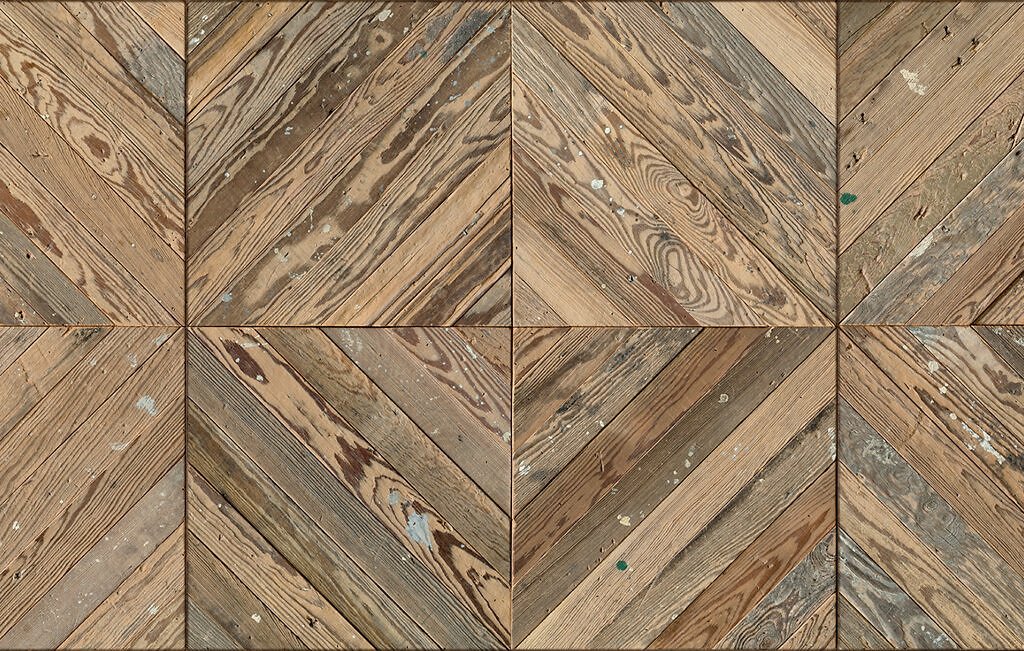
From traditional craftsmanship to modern floorcraft
Although technology has changed how wood flooring is produced, craftsmanship remains central to its character and is one of our core values at Ted Todd, especially for our Woodworks by Ted Todd floors.
Historic floors were shaped by the tools and techniques available at the time. Today, we take these learning and combine with modern machinery for provide precision, while specialist floorcraft techniques can be used to create variation, texture and character.
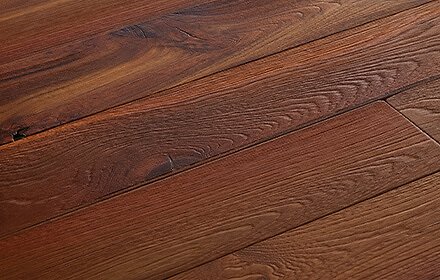
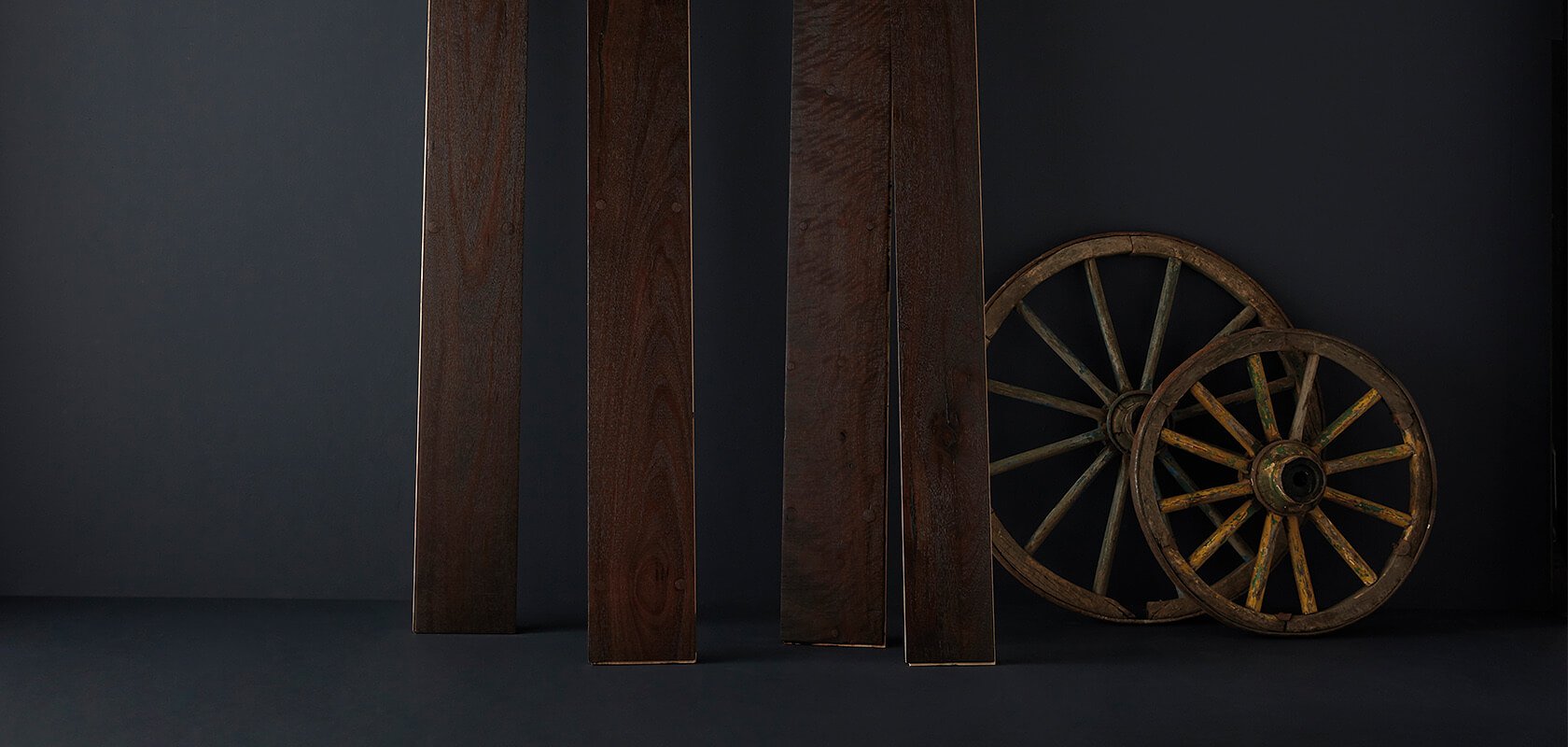
Brushing can emphasise the natural grain, while ageing, fuming, burning and other techniques can change the appearance and feel of the timber.
The result is a balance between consistency and individuality: a floor that is manufactured to modern standards but retains the material qualities that have made timber flooring popular for centuries.
Discover more historic floors at Woodworks by Ted Todd