Some timbers carry their history in plain sight. Kings Cross Jarrah began in the forests of south-west Western Australia, travelled to Britain as a dense working hardwood, spent generations in a warehouse at King’s Cross and was eventually recovered during the area’s regeneration.
Kings Cross Jarrah sits outside the current Ted Todd flooring collection. It belongs to Woodworks by Ted Todd, our sister brand and specialist home of reclaimed, antique and bespoke floors. Its story reflects the depth of timber knowledge, responsible sourcing and extraordinary British floorcraft found across the wider Ted Todd Group.
What is jarrah wood?
Jarrah is the common name for Eucalyptus marginata, a hardwood species native to south-west Western Australia. Its natural range is limited to this part of the world, where it grows across an ancient landscape shaped by a Mediterranean climate and lateritic soils.
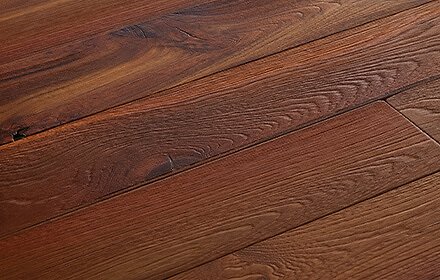
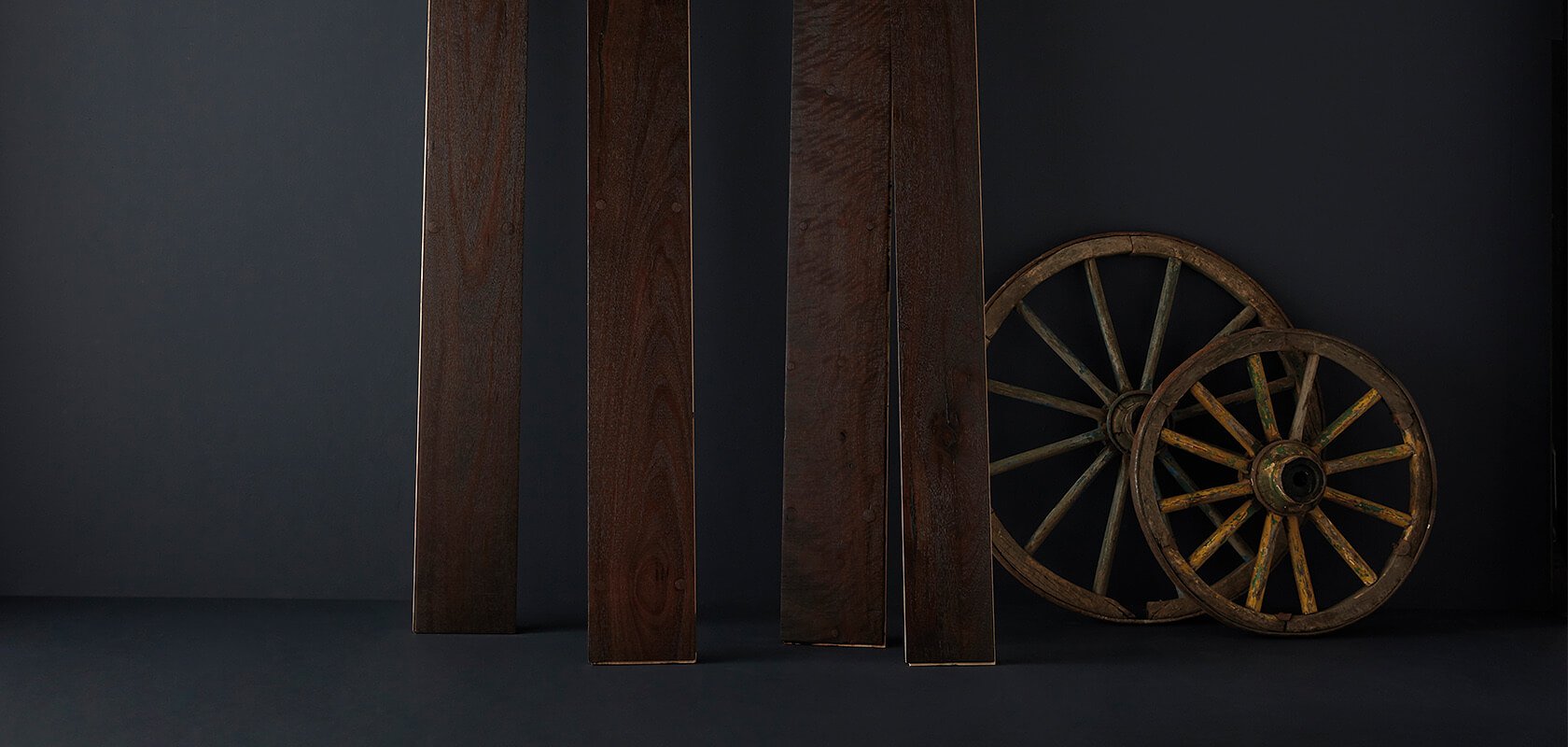
The heartwood ranges from rich red and warm chestnut to deep burgundy. Interlocking grain and natural variation give each board a distinct character, enhanced as the timber matures.
Jarrah is also dense, strong and naturally durable. These qualities led to its use in bridges, wharves, railway sleepers, heavy construction and flooring. It was well suited to places exposed to traffic, moisture and constant use.
How jarrah reached London
By the late nineteenth century, jarrah was being imported into Britain for wood-block paving and demanding infrastructure projects. The timber offered a hard-wearing surface for busy streets, bringing Western Australian hardwood into the working fabric of London.
King’s Cross was developing rapidly during the same period. The Great Northern Railway reached London in 1850, initially operating from a temporary terminus at Maiden Lane, close to present-day York Way. The permanent King’s Cross station opened in 1852, followed by the expansion of a major goods and distribution district to its north.
Coal, grain and fresh produce passed through the goods yards. A substantial potato market developed along the eastern edge of the railway land, supported by warehouses built to receive, store and distribute incoming goods across the capital.
Freight activity declined during the twentieth century as London’s transport and distribution networks changed. Buildings across the former goods estate gradually fell out of use, leaving large parts of the area ready for the regeneration that began in the early twenty-first century.
Recovering jarrah from King’s Cross
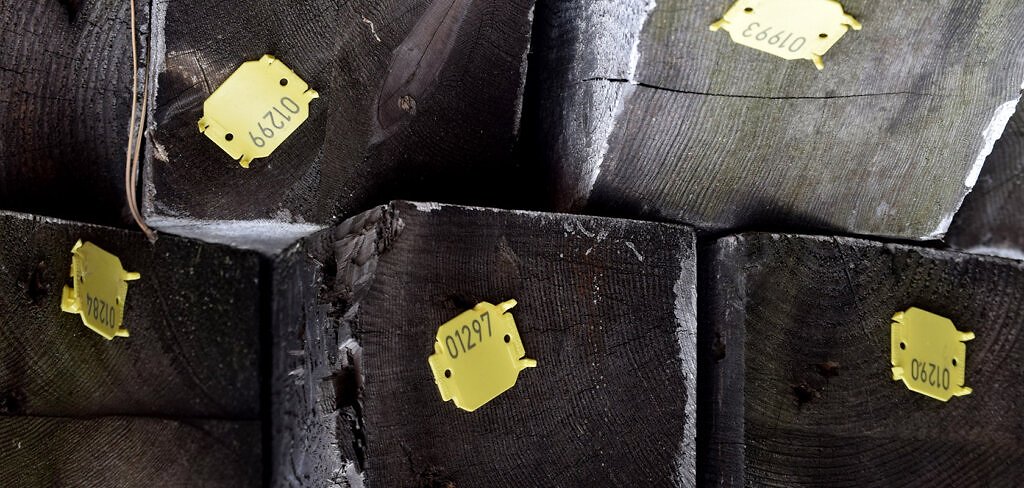
During this period of change, Woodworks sourced a substantial quantity of jarrah from one of the former potato warehouses.
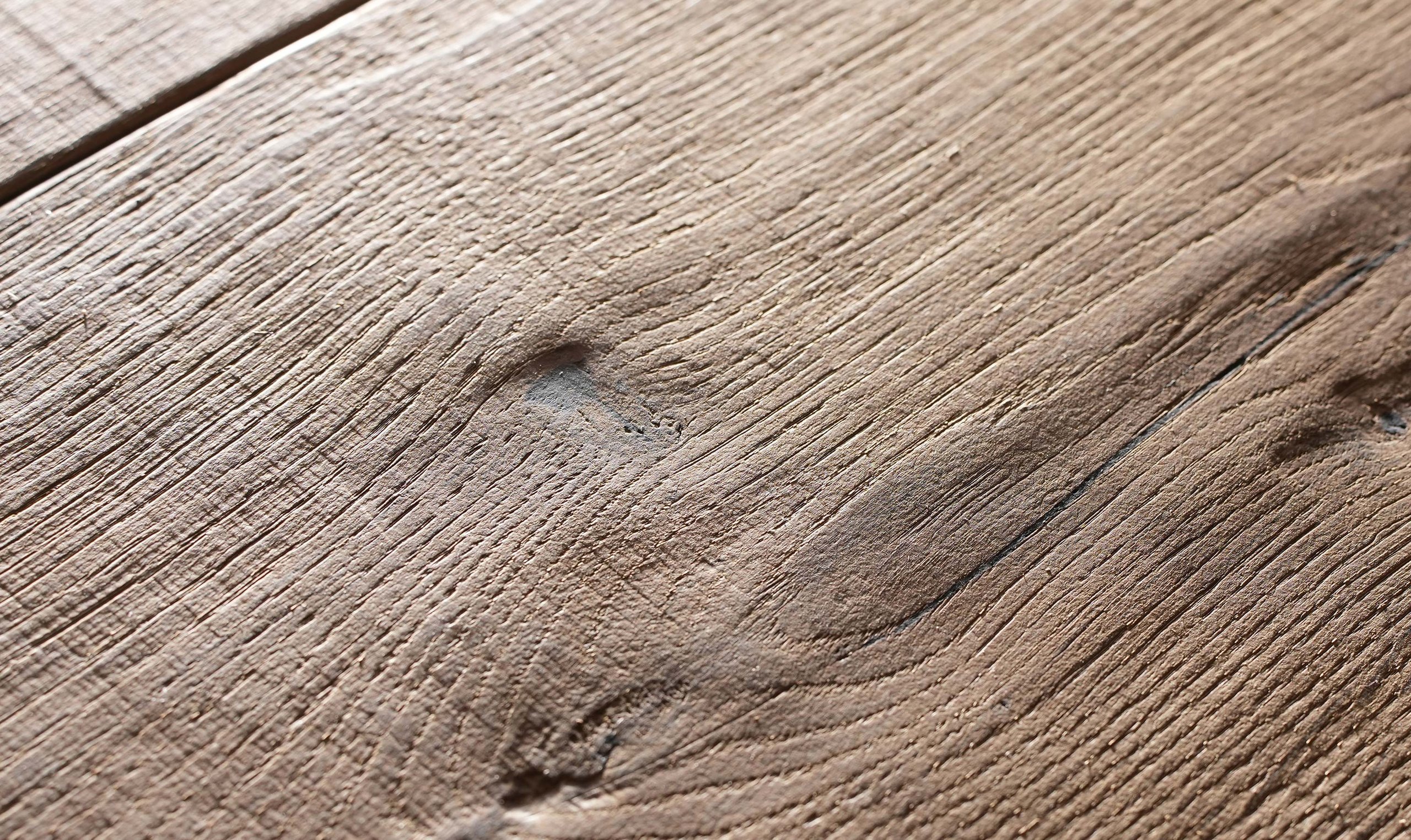
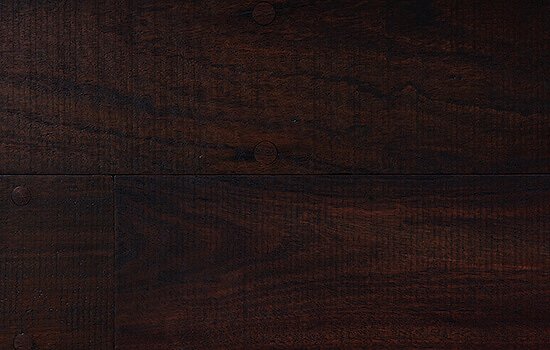
The recovered boards were remarkable in scale, with some reaching approximately two metres in length and 200mm in width. Their surfaces carried the evidence of a long working life: worn patina, gentle undulations and the marks left by the clout nails that once fixed them in place.
Material of this character demands patience and highly developed expertise. Jarrah’s density makes it challenging to work, and every recovered board must be carefully assessed before it can become part of a floor.
Making Kings Cross Jarrah
At the Woodworks workshops in Cheshire, extraordinary makers cleaned, stabilised and worked the reclaimed timber into engineered planks. The original surface remained central to the design, preserving the qualities created through age and use.
Kings Cross Jarrah Plank is made in random widths from 160mm to 220mm. Each 20mm, two-ply engineered board has a nominal 4–6mm wear layer, a square shoulder and a worn, skip-sawn surface. A burnished satin hardwax oil finish enriches the timber’s deep colour and tactile grain.
Natural variation is fundamental to the floor. Nail marks, weathering and shifts in tone form part of its authentic reclaimed character. Every board records a different fragment of the building it came from.
Why reclaimed jarrah matters
Jarrah has a highly restricted natural range, which makes careful stewardship especially important. Western Australia ended commercial logging in its native forests from 2024, reinforcing the value of keeping existing jarrah in useful circulation.
Reclamation extends the service life of timber that has already served one purpose. It reduces demand for newly harvested material for this floor and preserves wood with a depth of character that can only develop through time.
The process also protects a tangible part of industrial history. In Kings Cross Jarrah, the forest landscape of Western Australia, London’s railway age and the produce trade of King’s Cross remain visible within the finished boards.
A continuing story
Kings Cross Jarrah brings together natural rarity, architectural history and extraordinary craft. Its journey spans continents and centuries, ending in a floor designed to continue in use for generations.
This Woodworks floor is available through our sister brand. Explore Kings Cross Jarrah Plank and contact the Woodworks team for product details, pricing and project support.