Teak is one of the most recognisable tropical hardwoods. Its warm, golden-brown colour, distinctive grain and natural stability have made it a valued material for furniture, boatbuilding, architectural joinery and flooring.
Teak does not feature within the current Ted Todd floor collections. Reclaimed and antique teak belongs to Woodworks by Ted Todd, our sister brand and the specialist home of the Group’s reclaimed, antique and bespoke flooring. Its work with teak forms part of the timber knowledge shared across Ted Todd Group.
This guide explains where teak comes from, how it performs, what to consider when assessing its quality and why provenance deserves close attention.
What is teak wood?
Genuine teak comes from Tectona grandis, a large deciduous tree native to parts of South and Southeast Asia. The name ‘teak’ is also attached to several unrelated timbers, including African teak and Brazilian teak, so the botanical species provides an important point of reference.
The tree produces pale sapwood around golden to medium-brown heartwood. Natural oils and waxes within the heartwood contribute to the timber’s stability and resistance to moisture and decay. These qualities established teak as a practical material for demanding applications.
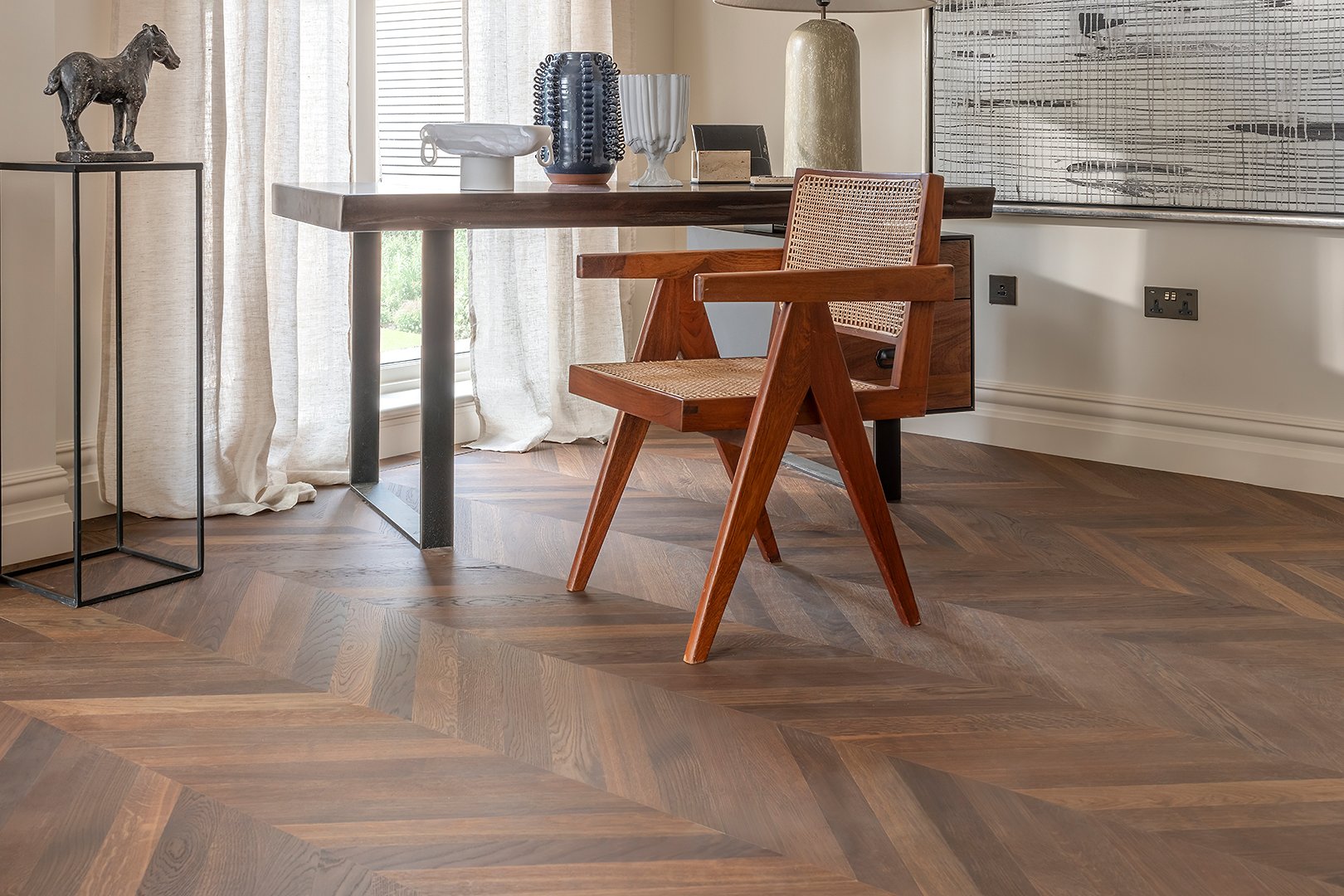
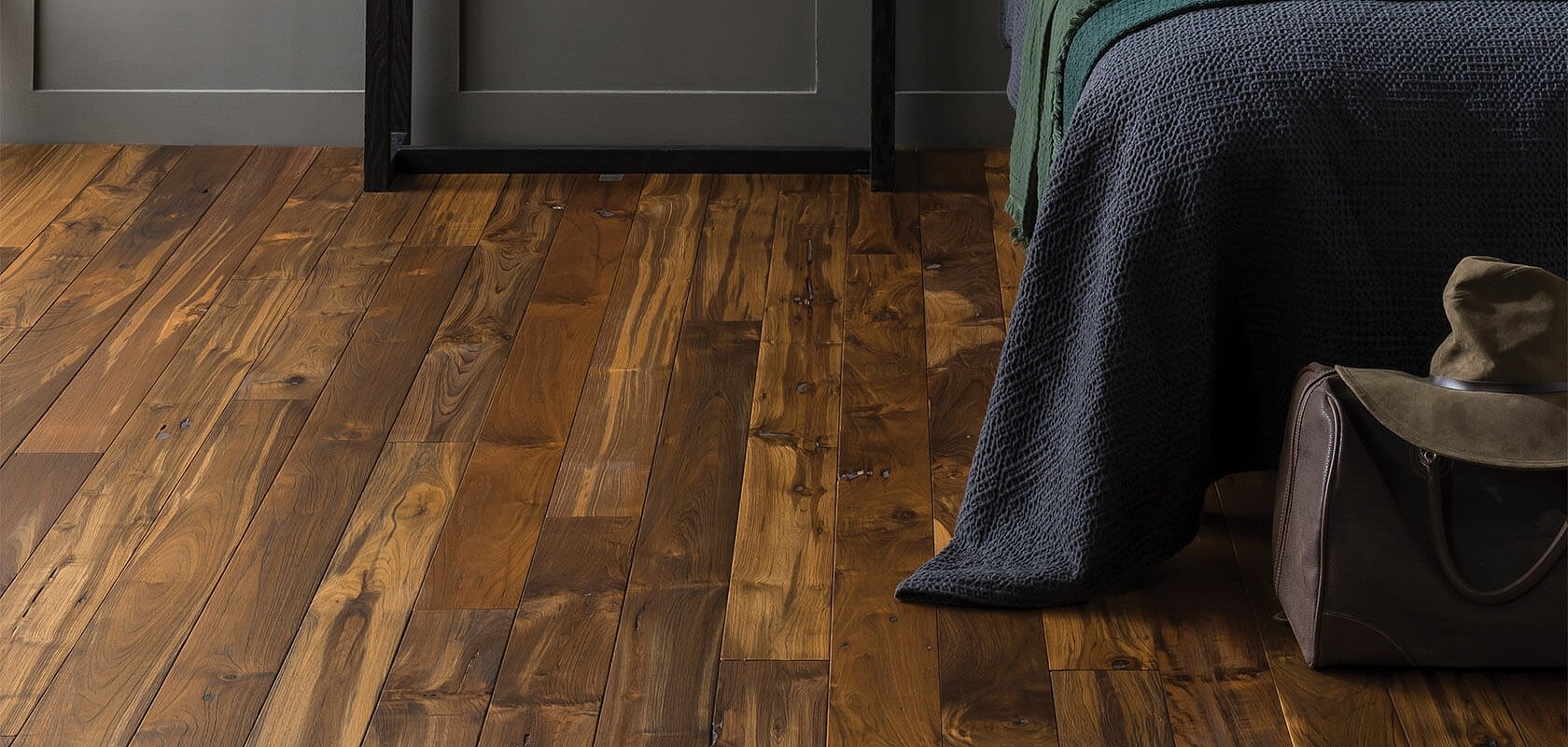
Carefully sourced, seasoned and prepared teak can perform well as interior flooring. Its strength and stability support excellent longevity, while the colour and grain bring natural warmth to a scheme.
What does teak wood look like?
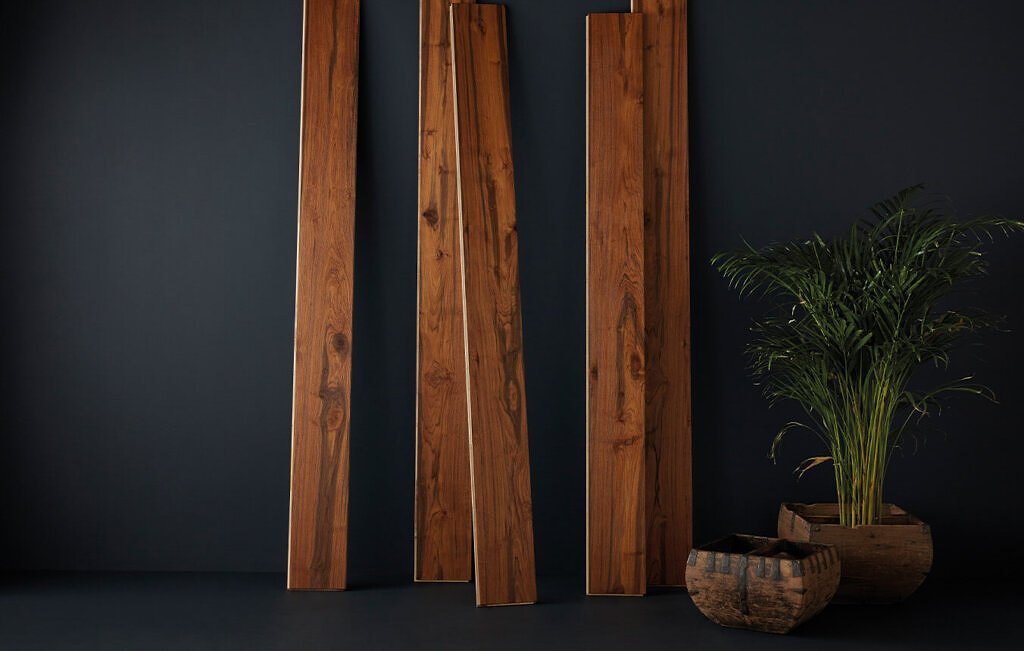
Freshly milled teak generally ranges from honeyed yellow-brown to deeper golden brown. Exposure to light gradually changes its tone. Unfinished teak used outdoors can weather to a silvery grey, while interior timber develops more subtly according to light, finish and care.
The grain is usually straight, with occasional wavy or interlocked sections. Dark growth lines can create strong definition across the surface. Freshly worked teak may also have a distinctive leather-like scent and a slightly oily feel.
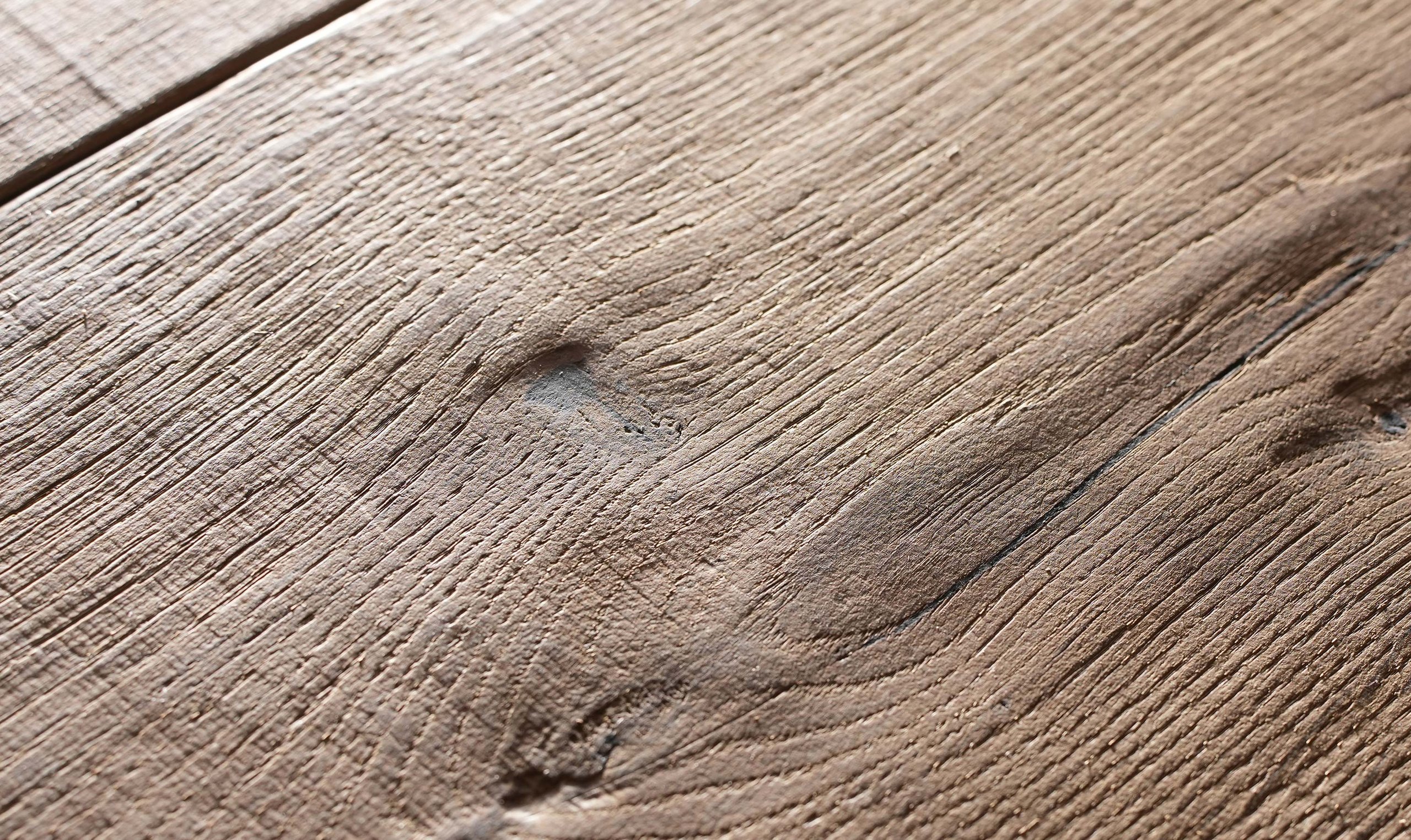
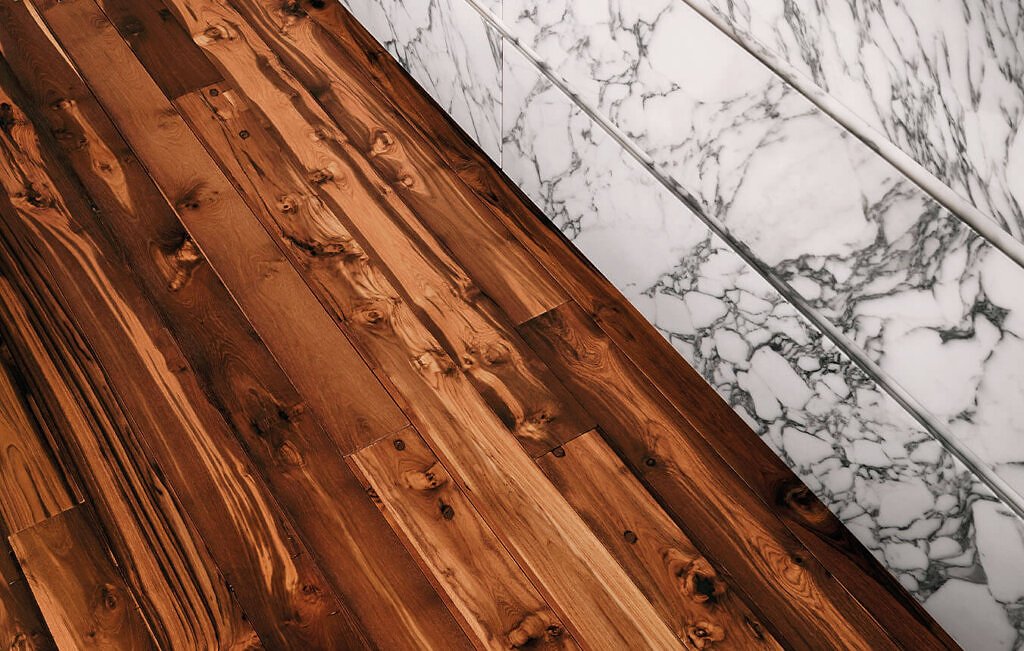
Reclaimed teak has another layer of character. Colour variation, softened edges, old repairs, nail holes and saw marks can remain from its former use. These details record the material’s history and give each installation an individual surface.
Why is teak wood so durable?
Teak heartwood is naturally durable and retains its dimensions well as surrounding conditions change. Its natural oils and other extractives slow moisture absorption and help protect the timber against decay.
This combination explains teak’s long history in ship and boatbuilding, exterior joinery and outdoor furniture. It is also valuable for flooring, especially where longevity and dimensional stability are priorities.
The performance of any teak floor depends on the complete specification. Seasoning, construction, manufacture, finish, installation and ongoing care all influence how the timber behaves. Reclaimed boards also need careful assessment, repair and preparation before they can begin their next life as a floor.
Where does teak wood come from?
The recognised native range of Tectona grandis is concentrated across India, Myanmar, Laos and Thailand. Teak has also been cultivated in Indonesia for centuries and is now grown in tropical plantations across parts of Africa, Latin America and the Caribbean.
Mature teak trees can reach around 40 metres in height. In natural forests, they grow as part of mixed woodland, which makes the extent and condition of wild teak resources difficult to measure precisely.
Research published by the Food and Agriculture Organization of the United Nations has recorded a decline in natural teak forest area alongside the expansion of planted teak. Country of origin, legal status, forest management and chain of custody are therefore central considerations when specifying newly harvested material.
Is teak wood sustainable?
The environmental profile of teak depends on its source, forest management, legality, processing, transport and expected service life.
Plantation-grown teak can come from responsibly managed sources when it is supported by appropriate evidence. Reclaimed teak uses material that has already served within a building or structure. Recovering that timber keeps a valuable resource in circulation and reduces the requirement for freshly harvested wood within that particular project.
Traceability remains essential. A credible supplier should be able to explain where reclaimed timber came from, demonstrate its previous use and confirm that it has been assessed and prepared for its intended application.
The teak floors offered by Woodworks by Ted Todd are made from genuine reclaimed material. In the Cheshire workshops, Woodworks’ makers assess and restore historic timber, retaining valuable patina and stabilising each board for a new interior.
Where does reclaimed teak fit within Ted Todd Group?
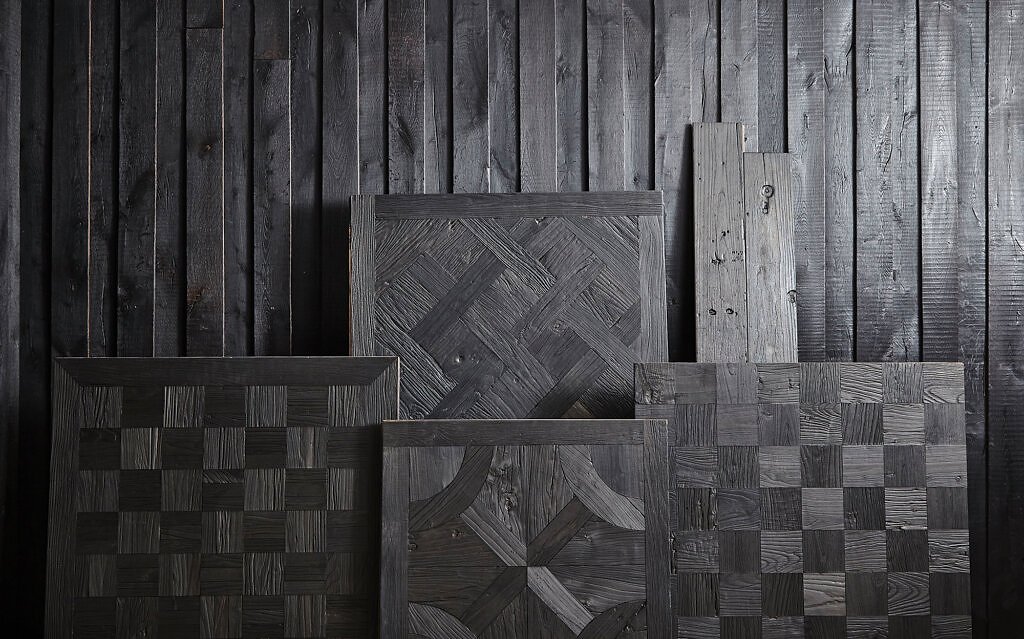
Reclaimed teak belongs to the specialist material archive at Woodworks by Ted Todd, Ted Todd’s sister brand. Woodworks works with rare, antique and reclaimed timbers, applying extraordinary British floorcraft to materials with established histories.
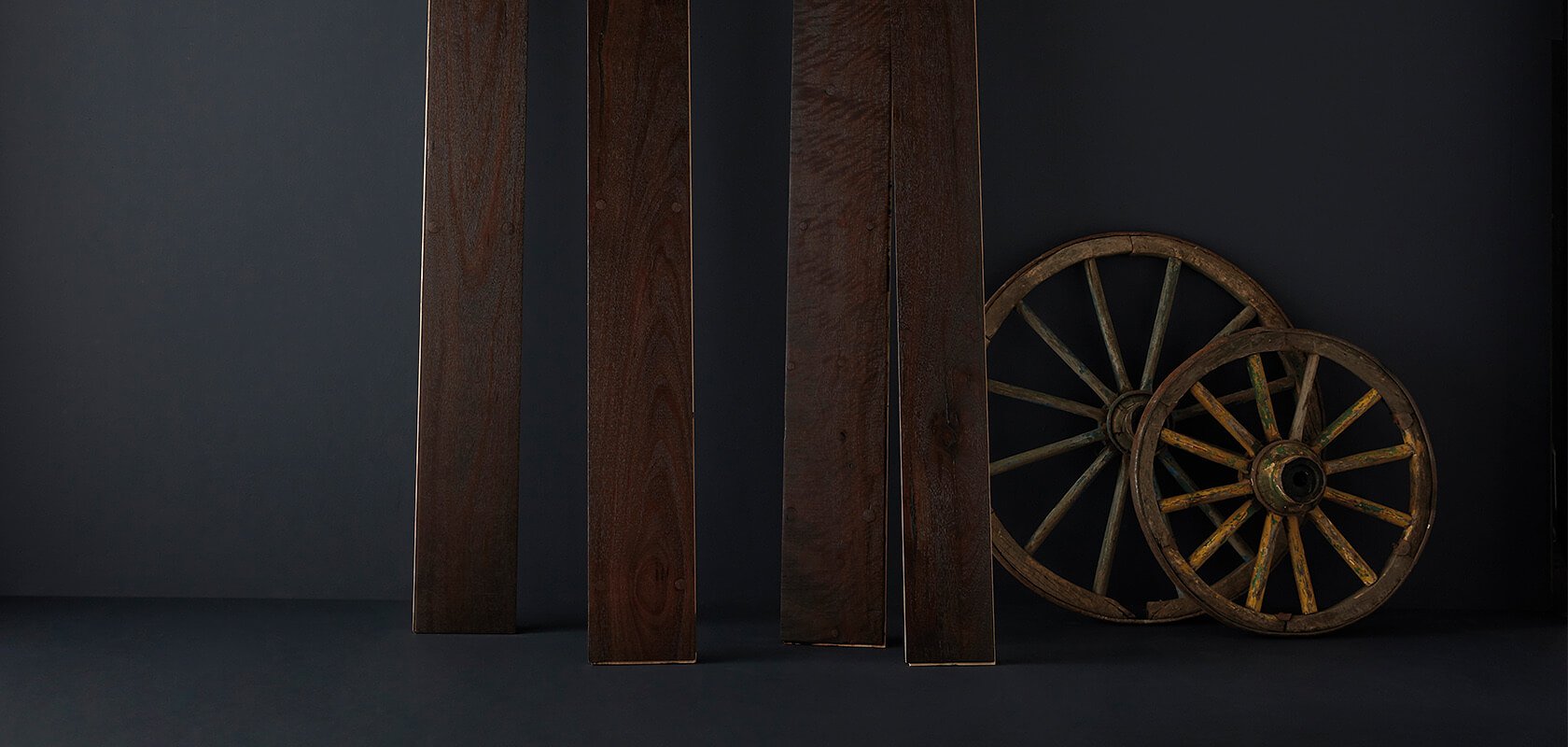
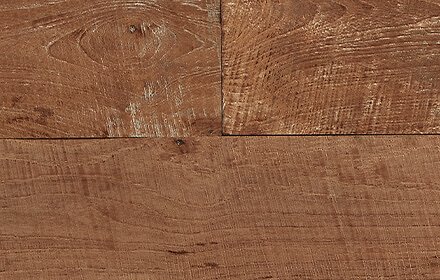
Indonesian Teak Plank is one example. Made from genuine reclaimed Indonesian teak, it combines random-width boards with a hand-sawn surface, hand-rolled edges and a super matt lacquer. Original variation remains visible across the floor, bringing depth and provenance to contemporary interiors.
This specialist work sits within the wider expertise of Ted Todd Group. It also gives customers and specifiers a clear route to the right brand when a project calls for reclaimed teak or another rare historic timber.
How can you tell if teak wood is good quality?
Colour, weight and scent can offer useful clues, although they cannot confirm quality, species or legal provenance by themselves. A considered assessment should include:
- Species: Genuine teak is Tectona grandis. Ask for the botanical species where a trade name could refer to another timber.
- Provenance: Check the country of origin and request suitable evidence of legal sourcing. For reclaimed material, look for a credible history of previous use.
- Heartwood content: Teak heartwood carries the rich colour and many of the natural durability properties associated with the species. Sapwood is paler and performs differently.
- Condition: Flooring timber should be sound, appropriately seasoned and assessed for moisture. Reclaimed wood may require specialist cleaning, de-nailing, repair and stabilisation.
- Manufacture: Precise machining, a suitable construction and a well-considered finish all contribute to the floor’s long-term performance.
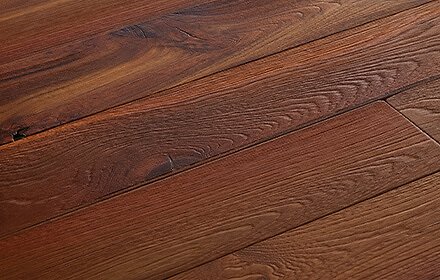
- Natural variation: A sample provides a guide to tone and texture. Grain, colour and historic markings will vary across a reclaimed installation.
A specialist supplier should be able to explain each of these points and provide a clear technical specification for the finished floor.
Teak wood facts and benefits
- Genuine teak comes from the tropical hardwood species Tectona grandis.
- Its native range is concentrated in India and mainland Southeast Asia, with plantations established across other tropical regions.
- Teak is a large deciduous tree that can grow to around 40 metres tall.
- The heartwood commonly ranges from golden yellow-brown to medium brown and gradually changes tone with age and exposure.
- Its grain is generally straight, with natural variation from tree to tree and board to board.
- Oils, waxes and other extractives contribute to teak’s dimensional stability, moisture resistance and natural durability.
- Teak has a long history in boatbuilding, furniture, exterior joinery and flooring.
- Reclaimed teak keeps existing timber in use and preserves character developed during its former life.
- Provenance and sourcing evidence are fundamental when assessing any teak product.
Explore reclaimed teak flooring
Teak flooring sits outside the current Ted Todd collection and is available through Woodworks by Ted Todd. The sister brand brings specialist knowledge of reclaimed and antique timber to residential and commercial projects around the world.
Explore Indonesian Teak Plank and request tailored advice, samples and pricing from a Woodworks specification consultant.