What Is Yakisugi? The Japanese Art of Charred Wood
Fire can transform timber with remarkable precision. Applied with control, it deepens the colour, reveals the grain and creates a tactile surface with a strong architectural presence.
Yakisugi is the traditional Japanese practice at the heart of this approach. First developed for exterior timber, its character now informs contemporary architecture, furniture and interior surfaces around the world.
What does Yakisugi mean?
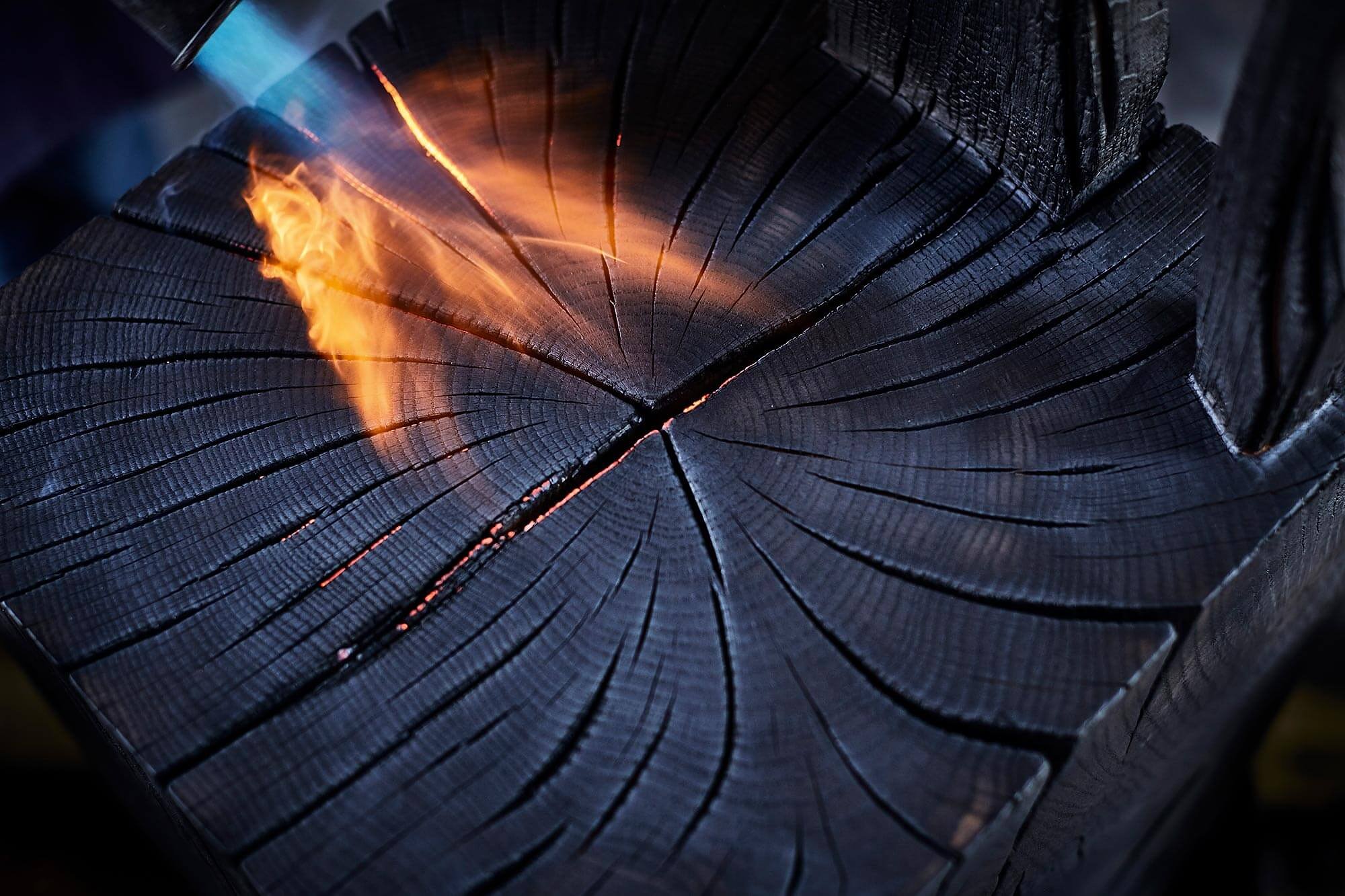
Yakisugi translates as ‘burnt sugi’. ‘Yaki’ refers to burning or charring, while ‘sugi’ is Cryptomeria japonica, commonly known as Japanese cedar. Traditional Yakisugi uses sugi boards with a carefully charred face.
The term Shou Sugi Ban also appears widely in Western design. Today, both names are often applied to charred timber made from a variety of species. Understanding the original material helps to explain the method’s distinctive appearance and its long connection with Japanese architecture.
A brief history of Yakisugi
Yakisugi has been used in Japan for centuries, with the practice becoming established by the 18th century. It was commonly used to finish external timber boards on homes and other buildings, particularly in western Japan.
Traditionally, three sugi boards were bound together to form a triangular flue. A fire was lit inside, allowing the inward-facing surfaces to char. The boards were then separated, cooled and cleaned. Depending on the required finish, the charred layer could be retained or brushed to reveal more of the grain before the timber was treated with oil.
Contemporary makers now use several controlled methods to achieve a charred surface. The enduring appeal comes from the combination of natural material, visible process and subtle variation. Each board responds differently to heat, giving the finished surface its individual tone and texture.
How does charring change wood?
Charring carbonises the outer fibres of the timber. The species, moisture content, intensity of the flame and exposure time all influence the depth, colour and consistency of the surface.
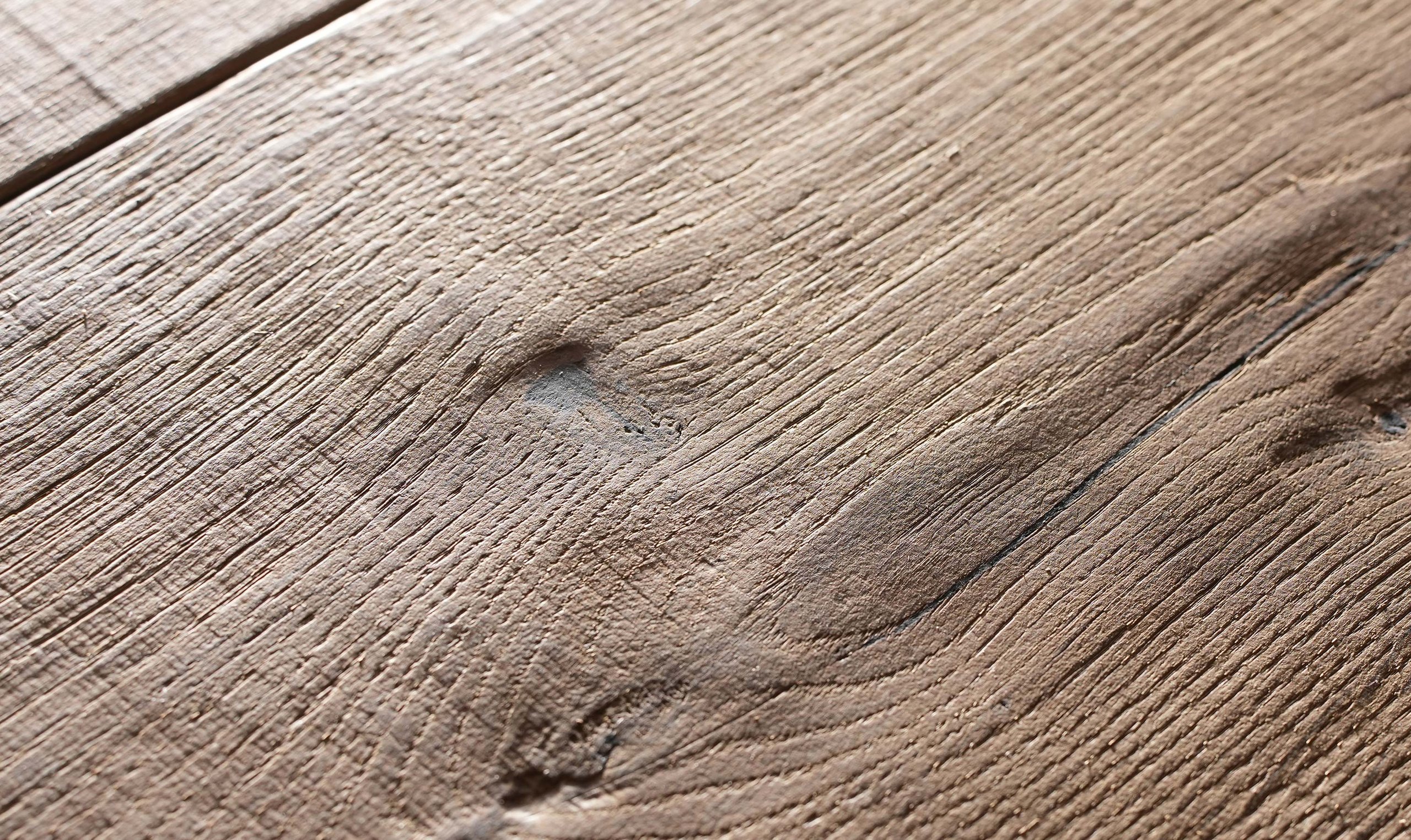
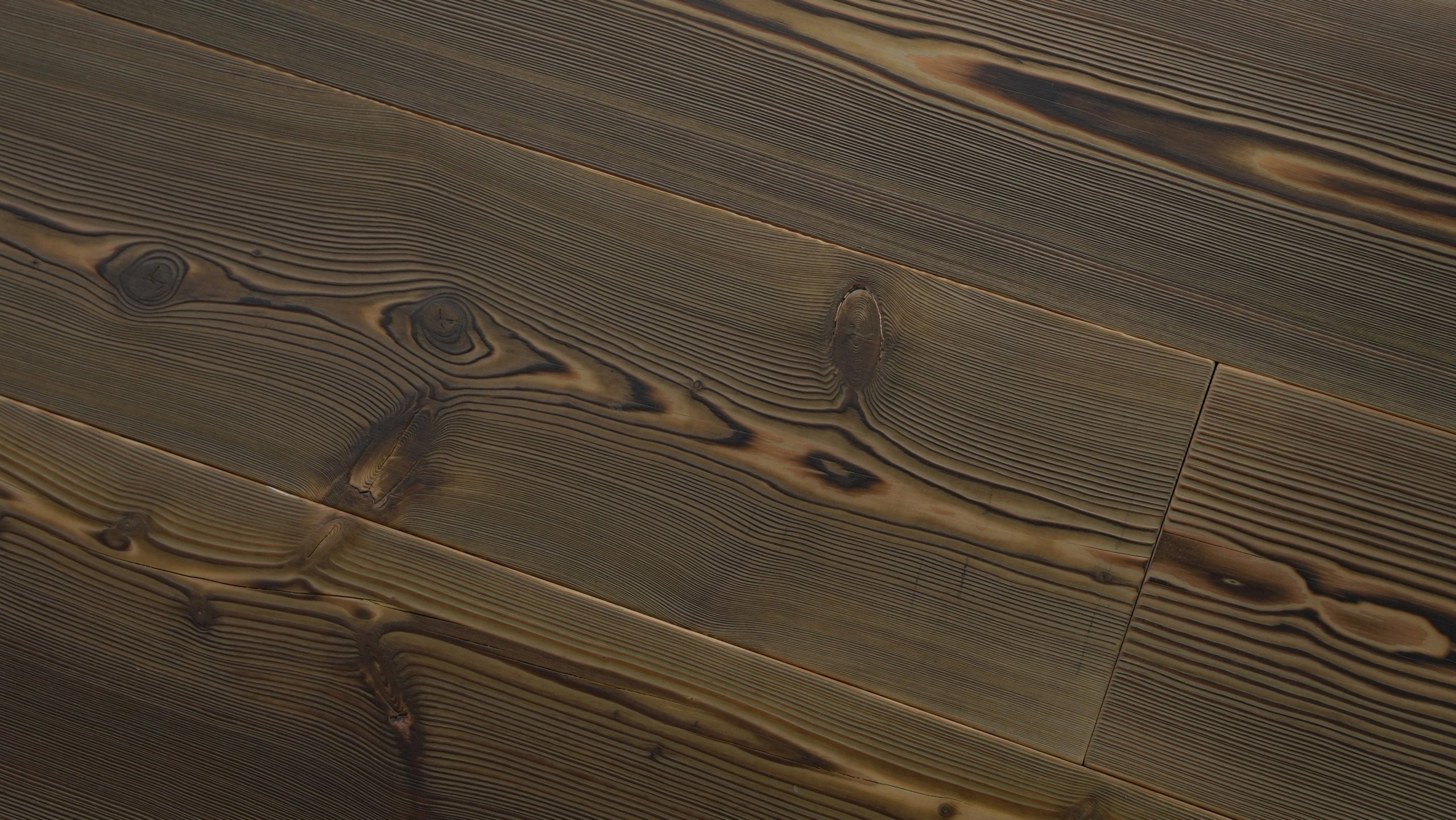
Brushing removes loose char and reveals the structure beneath. A lightly brushed board may show warm brown and charcoal tones, while deeper charring can produce an inky black surface with a scaled or rippled texture. Oils and lacquers can then stabilise the surface, adjust its sheen and support everyday care.
Surface charring affects the outer layer of a board. Full-section thermal modification is a separate process with different technical characteristics.
The visual character of charred wood
Charred wood has a depth that is difficult to reproduce with colour alone. Light moves across the raised grain and textured surface, revealing shifts between black, charcoal, bronze and softer weathered tones.
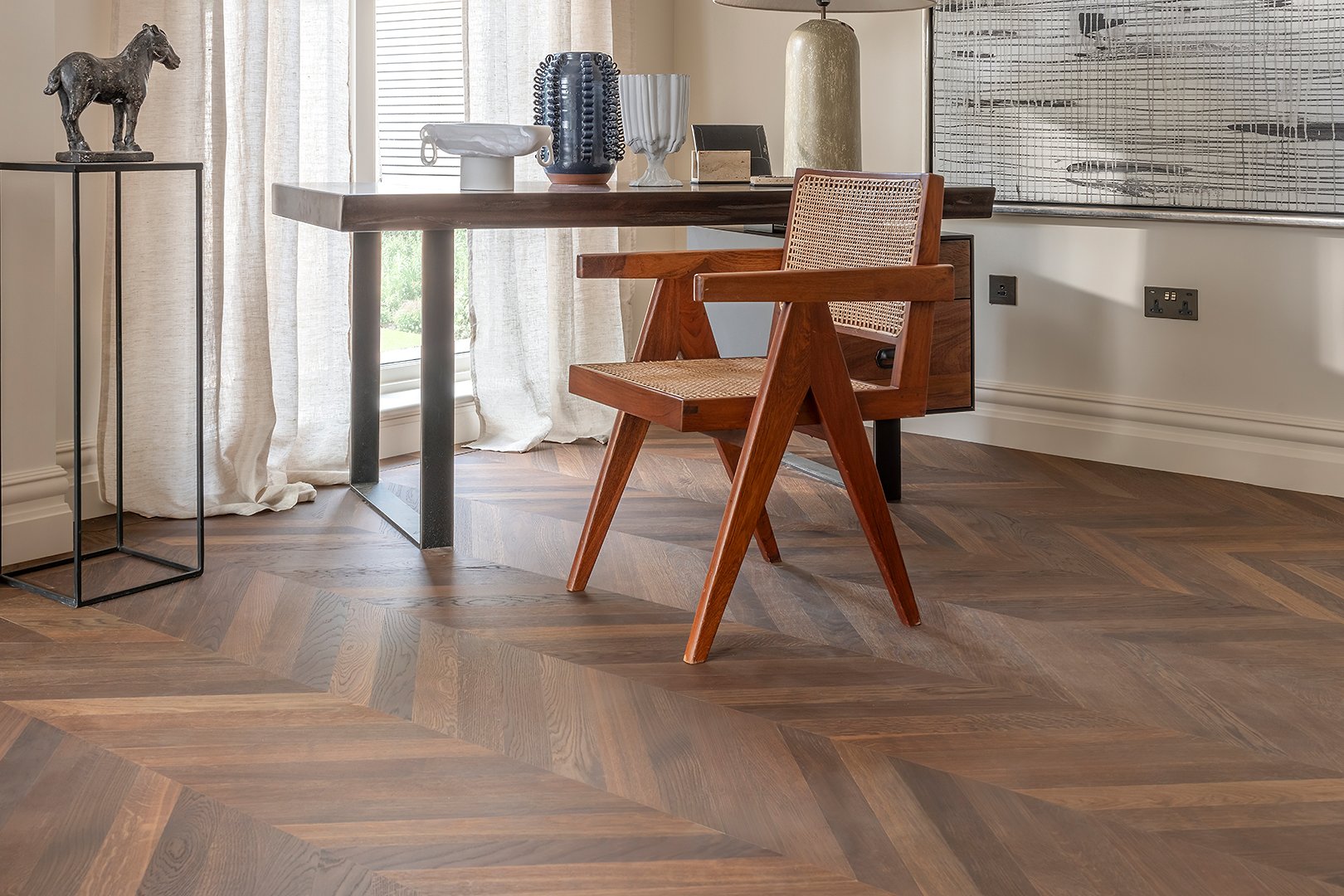
Its architectural quality makes it particularly effective alongside stone, plaster, concrete and metal. In a softer scheme, natural textiles and warm neutrals can balance the depth of the timber. The finish can anchor an open-plan interior, add rhythm to a wall or create a distinctive foundation underfoot.
The final effect depends on several choices:
- Timber species: every wood responds to heat in its own way.
- Intensity of char: this determines the depth of colour and surface texture.
- Brushing: the amount of char removed changes how clearly the grain is expressed.
- Finish: oil or lacquer influences tone, sheen, feel and maintenance.
- Format: planks and geometric panels each create a different sense of scale.
Performance and specification
Traditional Yakisugi developed as a treatment for exterior cladding. Contemporary charred wood is now used in many settings, and its performance depends on the timber species, char depth, construction, finish, installation and level of exposure.
Fire, moisture and decay performance should be established for each finished product. Independent research into commercially available charred siding has found varied results across species and treatments, so broad claims such as ‘fireproof’, ‘waterproof’ or ‘maintenance-free’ can oversimplify the material.
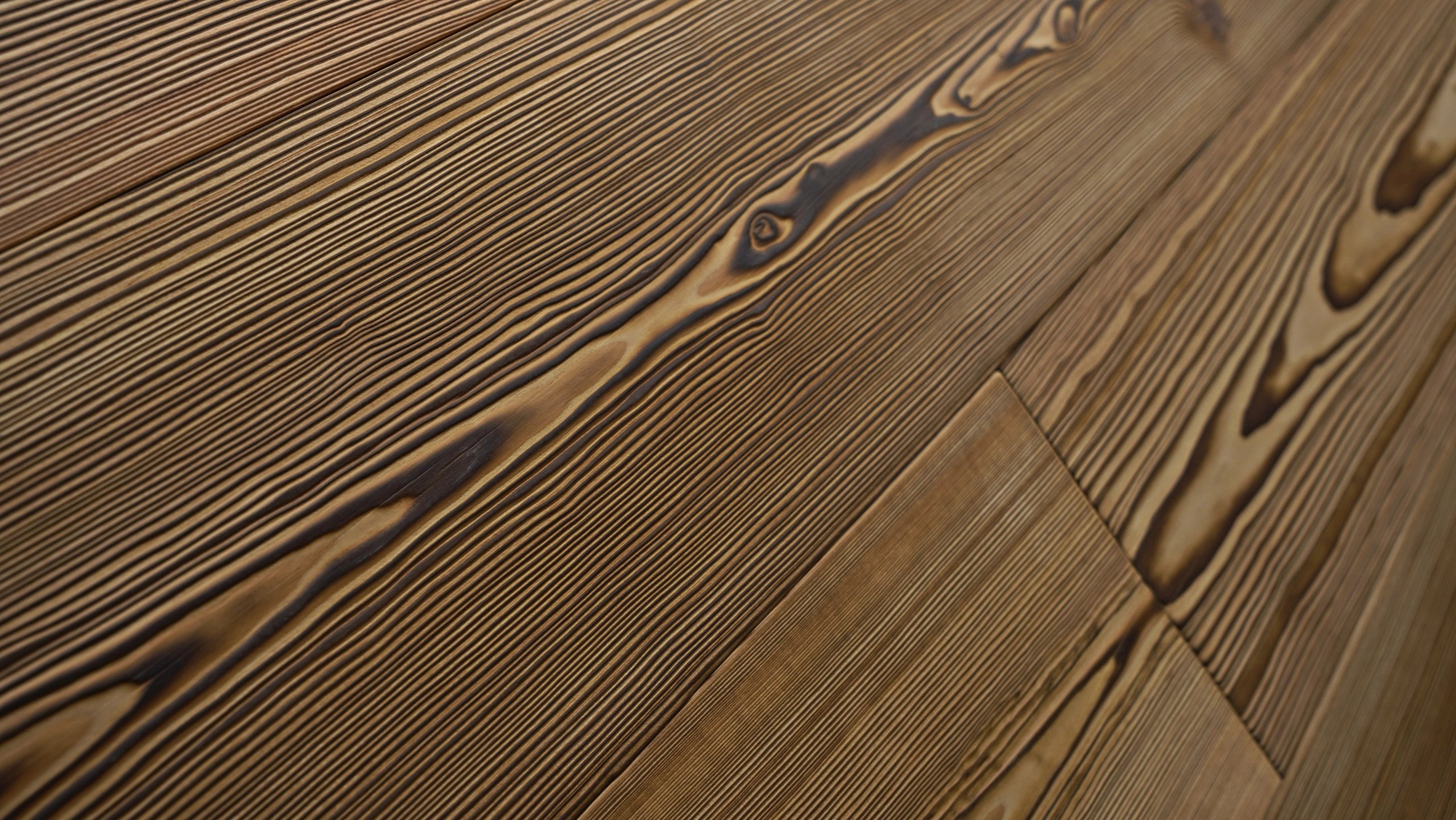
Flooring brings its own requirements. Wear resistance, surface stability, cleaning, finish and compatibility with the wider build-up all need to be considered. Product-specific technical information and care guidance should always lead the specification.
Environmental considerations
Charring can create colour and texture through a physical process, reducing the need for added colourants in some applications. The complete environmental profile also includes the source of the timber, construction materials, finishes, manufacturing energy, transport, expected service life and end-of-life route.
Responsible sourcing and product-level evidence provide the clearest basis for an informed decision. Durability also matters: a well-specified wood surface that can be maintained and renewed makes better use of the material over time..
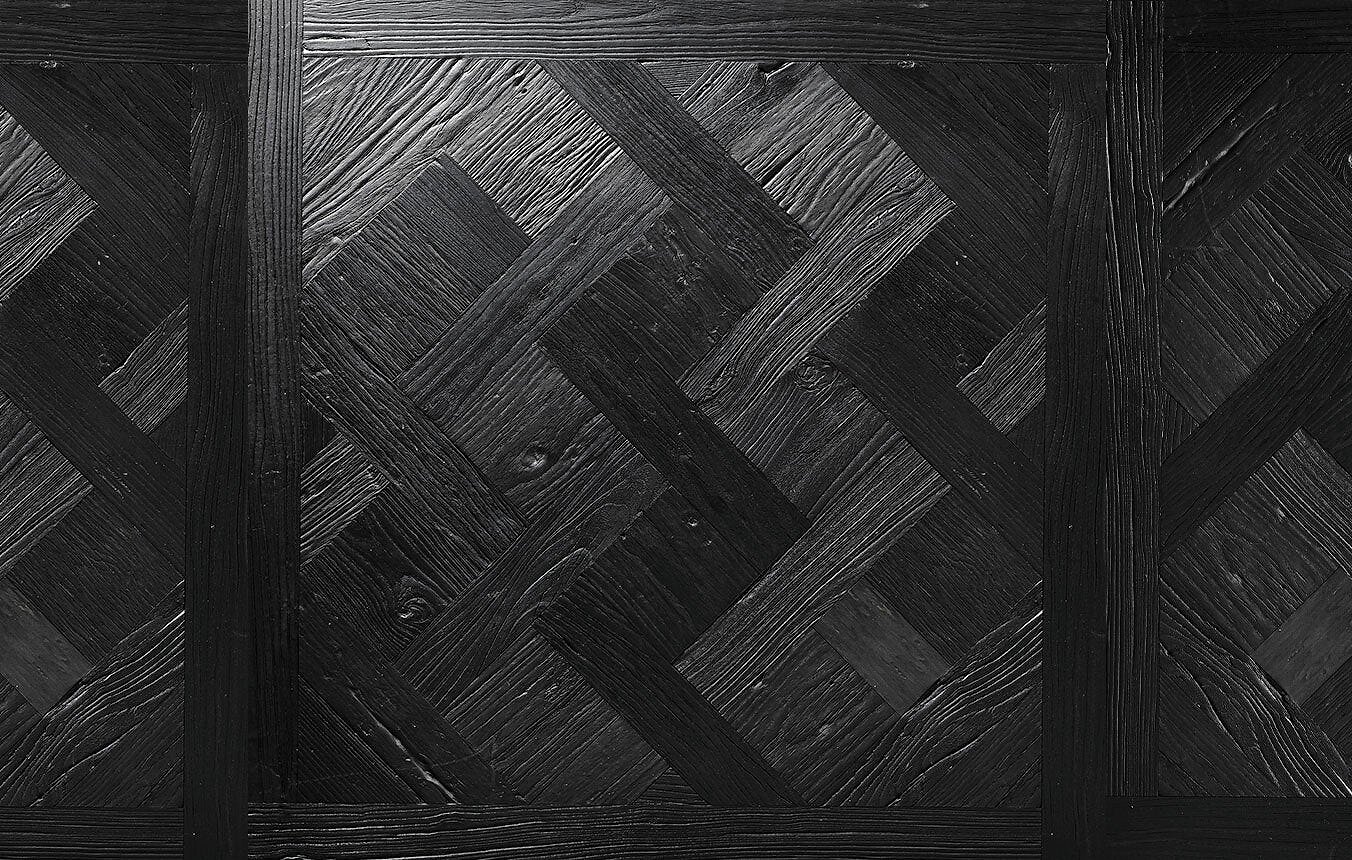
Yakisugi’s influence on Woodworks’ Carbonised collection
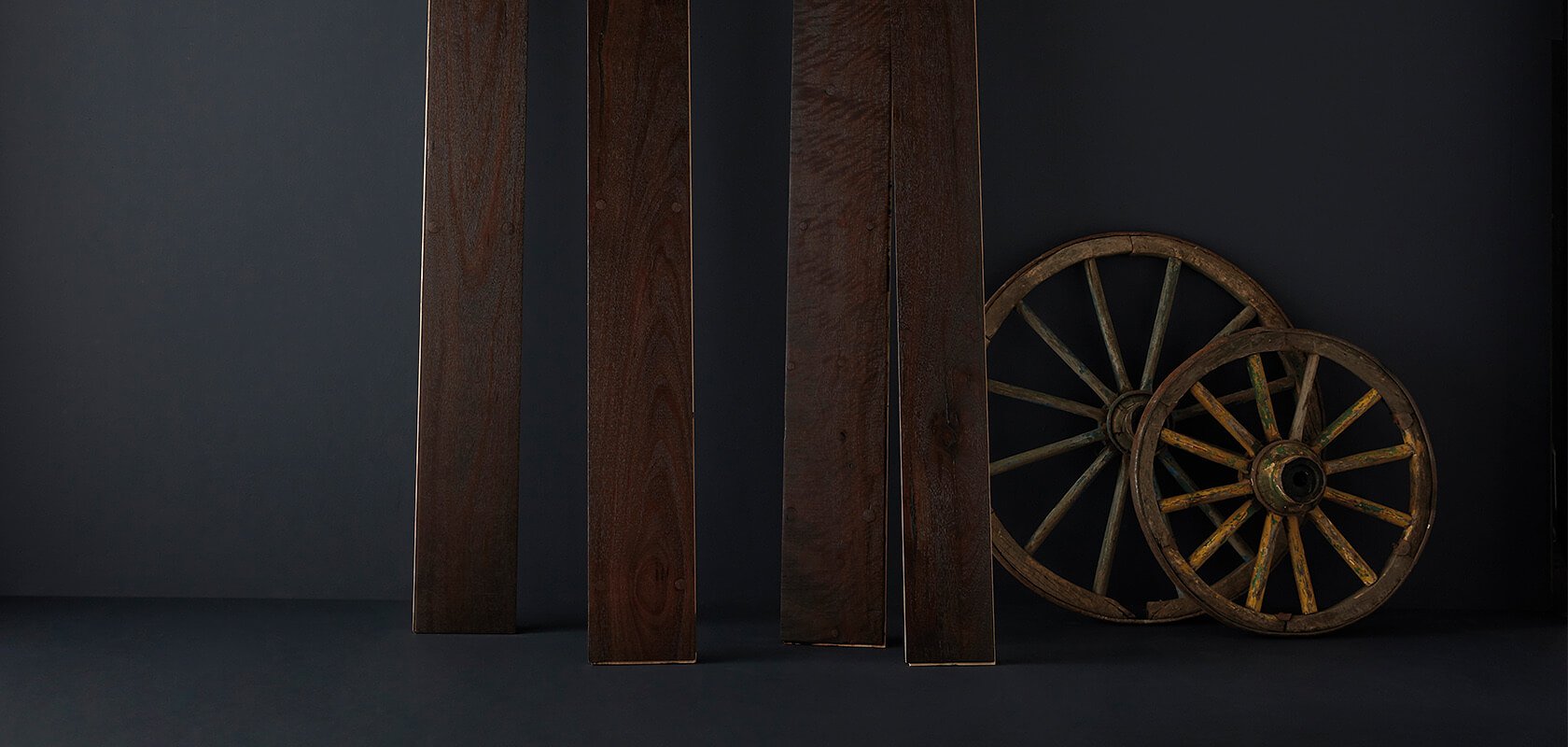
The influence of Yakisugi can be seen in the Carbonised collection from Woodworks by Ted Todd. Its extraordinary makers use an open fire or controlled flame to char reclaimed and new timbers, before cooling, cleaning and hand-texturing each surface. The floors are finished with oil or lacquer according to the design.
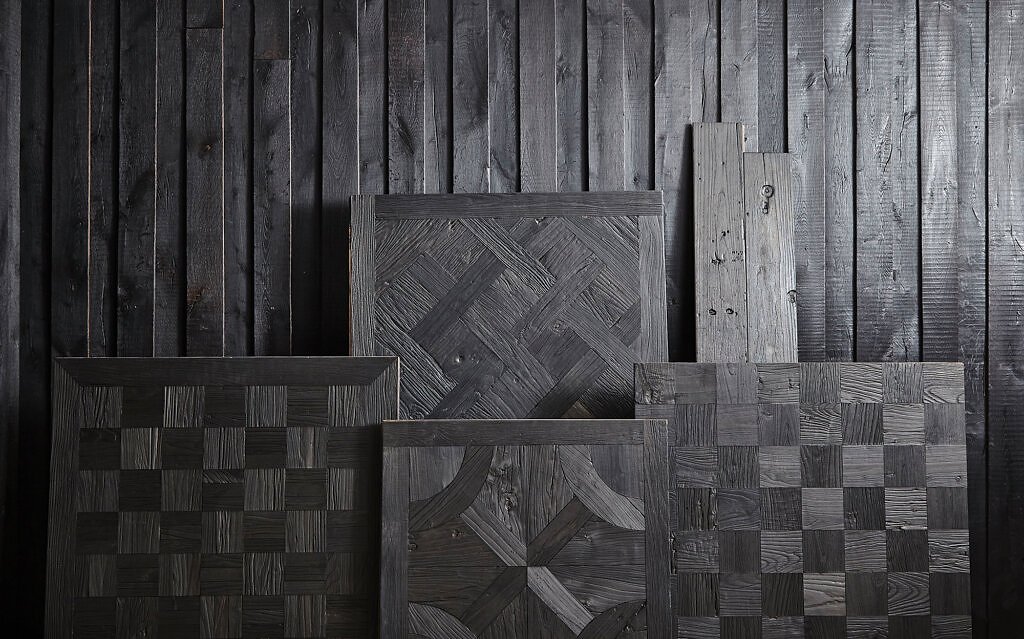
The collection spans extra-wide and random-width planks, alongside chequerboard, fingerblock and parquet panels. Its palette includes inky blacks, mineral greys, weathered neutrals and lighter tones, showing how varied the character of carbonised wood can be.
Woodworks by Ted Todd is our sister brand and part of Ted Todd Group. The Carbonised collection sits outside the Ted Todd flooring collections presented on this site. Its extraordinary British floorcraft reflects the specialist material knowledge and made-to-order capability found across the wider Group.
Designs, samples and project enquiries for the collection can be explored directly through the Woodworks website.

A material shaped by fire and craft
Yakisugi continues to inspire because its character comes from a direct interaction between fire, timber and skilled hands. It gives wood deep colour, tactile grain and a clear sense of process, opening up distinctive possibilities for contemporary architecture and interiors.
Explore the Woodworks Carbonised collection to discover its interpretation of charred wood flooring.