Smooth
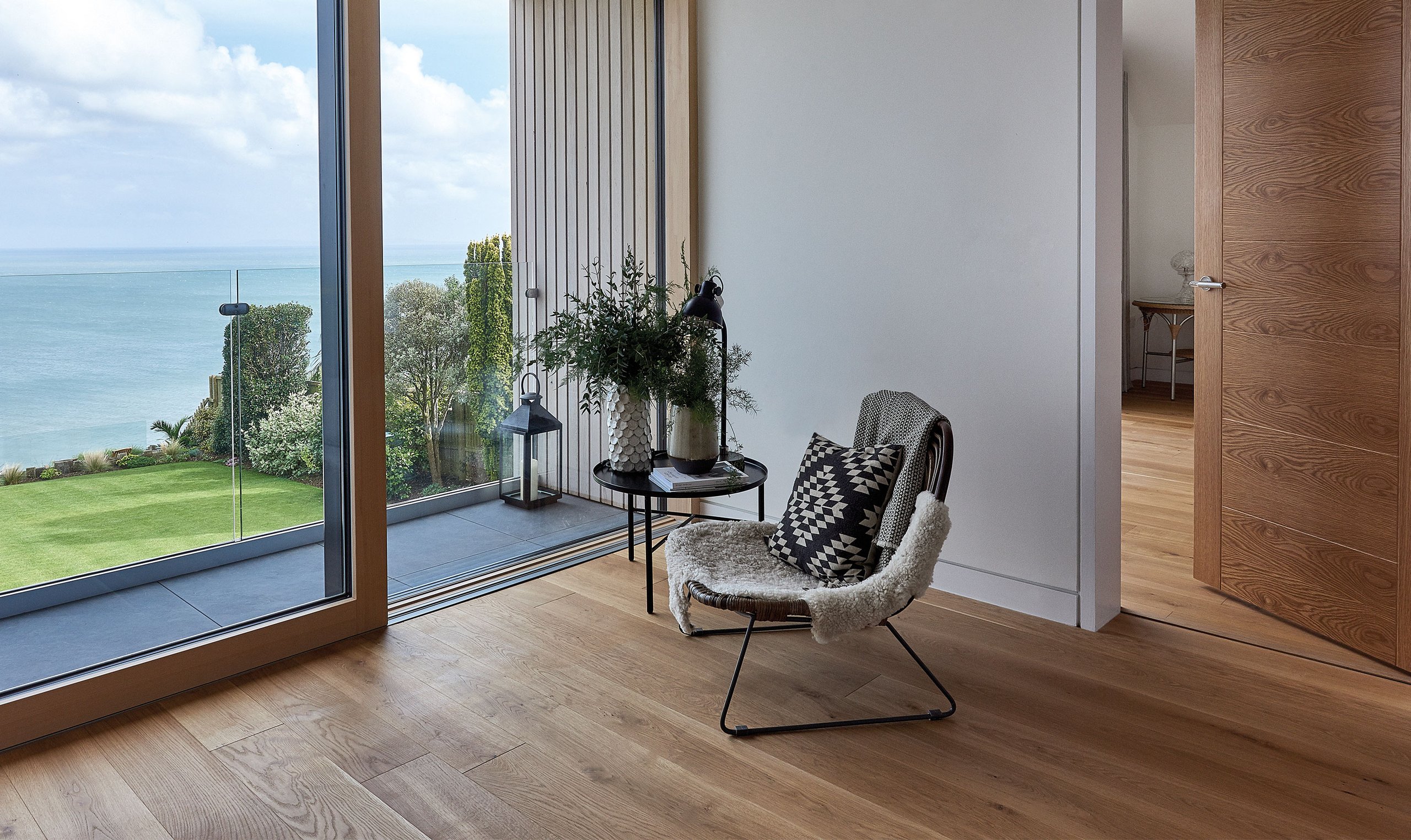
Explore our smooth wood floors, all traditionally planed and fine sanded to create a flat, even surface. The result is a clean, polished appearance that focuses on the grain pattern and wood tones.



Built around tone and texture
Tone and texture work together: the depth of the grain, the character of the surface and the finish all shape how a floor feels in a room.


Showing 16 of 50 floors
Load more floorsEverything people ask about smooth floors
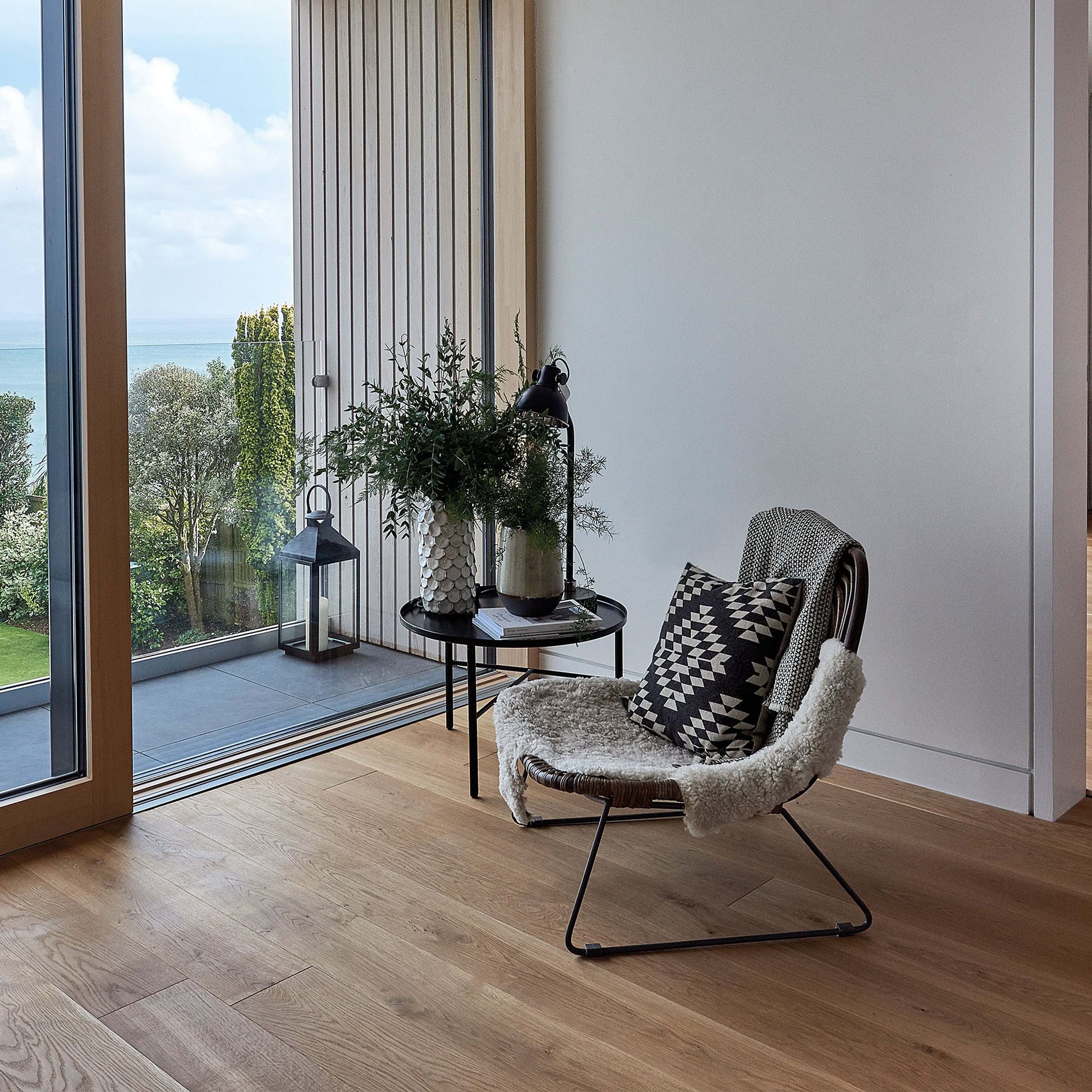
Smooth wood flooring has a traditionally planed surface that is finely sanded flat. This creates a clean and more uniform appearance than heavily textured flooring. The timber still retains its natural colour and character, but the surface has fewer pronounced marks or ridges.
Yes. Smooth refers to how the surface feels rather than how much grain is visible. The grain pattern, knots and tonal variation will depend on the timber species and grade. Prime grades tend to have a calmer appearance, while nature and character grades show more natural variation.
Smooth flooring is finely sanded to create a flatter and more uniform surface. Brushed flooring is worked to reveal more of the timber grain, giving it a stronger texture. Distressed floors include irregular indentations and broken edges for a more worn appearance.
Yes. Ted Todd's smooth flooring includes straight planks as well as herringbone, chevron and other patterned formats. Planks can make the proportions and grain of each board more prominent. Herringbone and chevron introduce direction and repetition through the arrangement of smaller blocks.
Care requirements are determined by the finish rather than the smooth texture. Use Care System 1 for lacquered or hardened oil floors and Care System 2 for natural oil or hardwax oil floors. White toned floors require the corresponding specialist Care System 3 or Care System 4 products. Always check the care system listed on the individual product page before cleaning.
Consider the amount of natural variation you want to see and how the floor will work with light, furniture and surrounding materials. Lighter tones can create a quieter foundation, while medium and dark shades bring greater depth. Cleaner grades have fewer knots and less colour variation. More characterful grades make natural grain, knots and tonal movement a stronger part of the design.