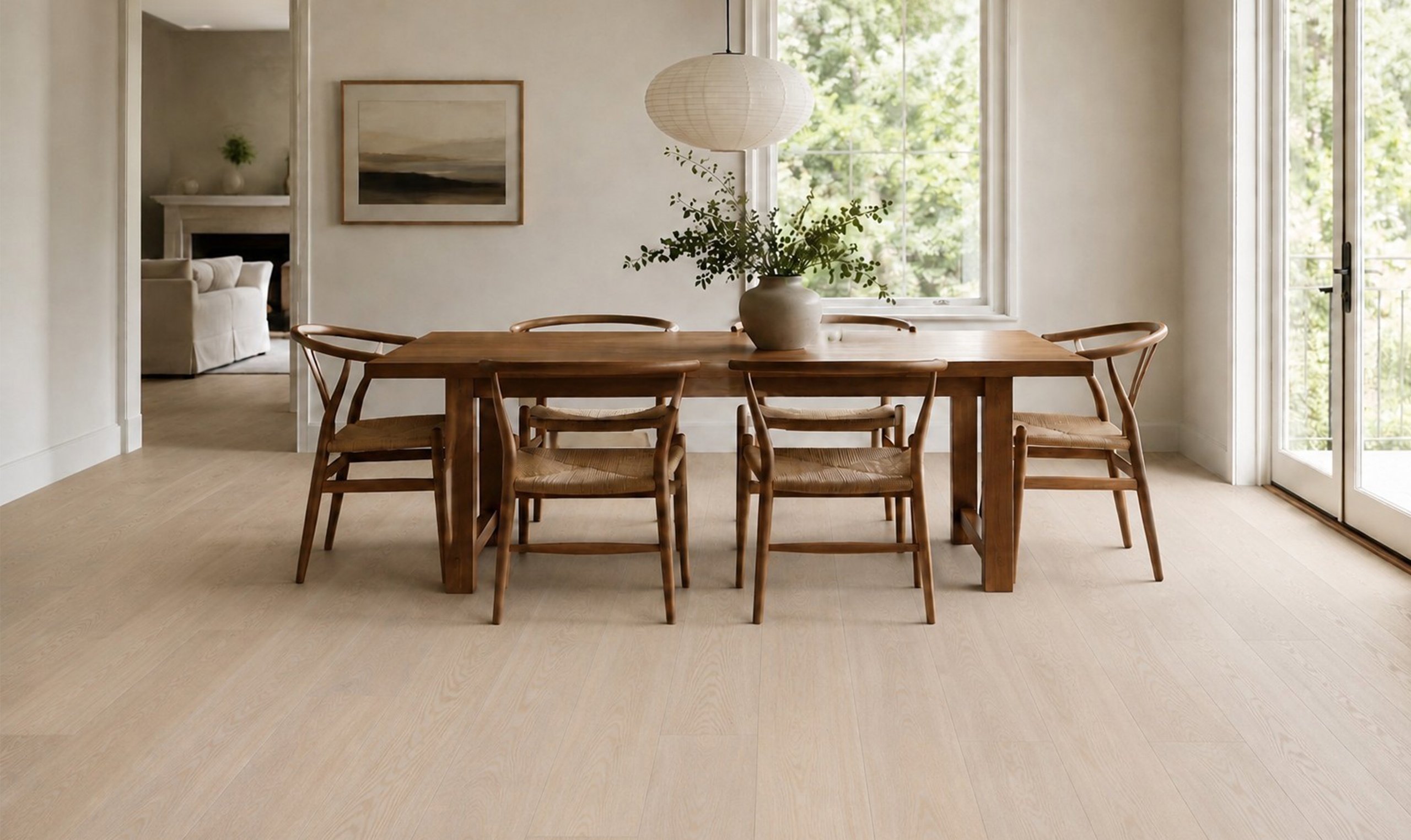
Wellbeing-focused interior design is less about following a particular trend and more about designing around the people who use a space.
A successful interior should feel comfortable to live in, with a layout that makes sense and materials that suit the way the room is used. A home office might benefit from greater separation from busy living areas, while a kitchen and dining space may need to remain open and connected.
The aim is not necessarily to create a minimal or neutral home. Colour, pattern and personality can all have a place. It is about creating balance and making sure each element contributes to the overall atmosphere of the room.
Use zoning to create calmer, more functional spaces
Open-plan living can make a home feel spacious and connected, but large rooms can sometimes become difficult to define. When a single space needs to serve several purposes, subtle zoning can help each area feel more intentional.
This is where broken-plan living can be useful. Rather than completely separating rooms with walls, it introduces visual divisions while maintaining a sense of openness.
Creating office spaces that are separated from living spaces has become more of a priority for several reasons, such as wanting sound reduction, privacy, and honoringwork/life balance.
Furniture, joinery, shelving, lighting and changes in floor pattern can all help establish different areas. A reading chair positioned away from a kitchen, for example, can create a quieter corner without requiring another room.
Use zoning to create calmer, more functional spaces
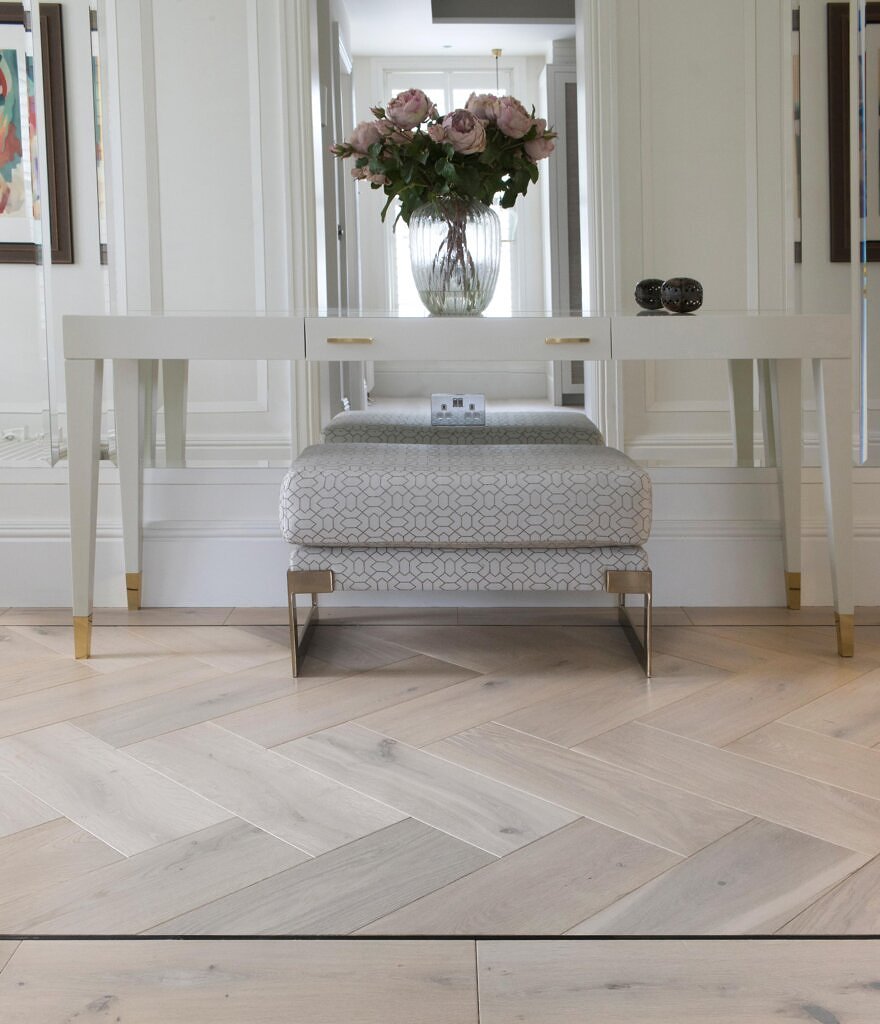
Flooring can create a visual transition while maintaining continuity between connected spaces.
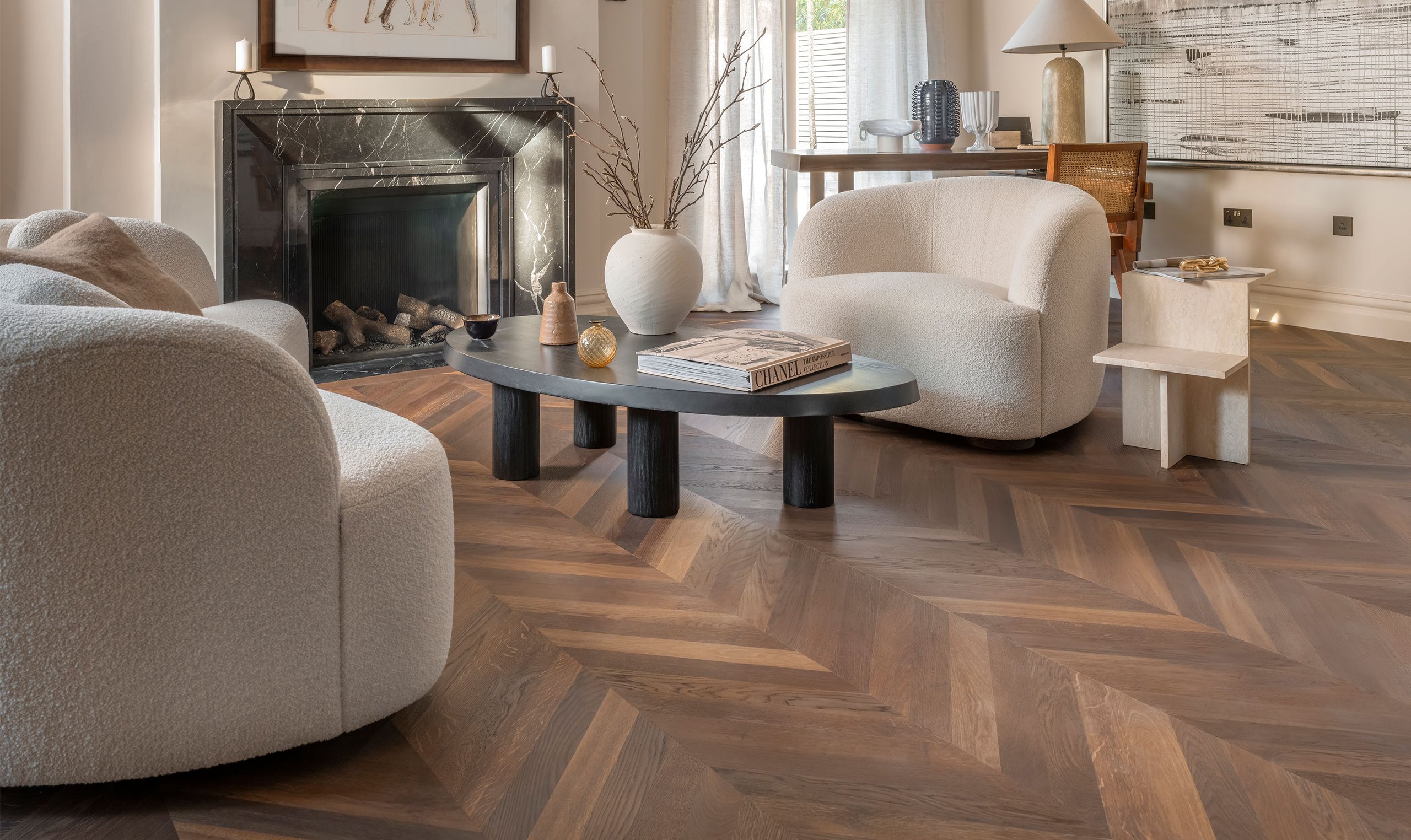
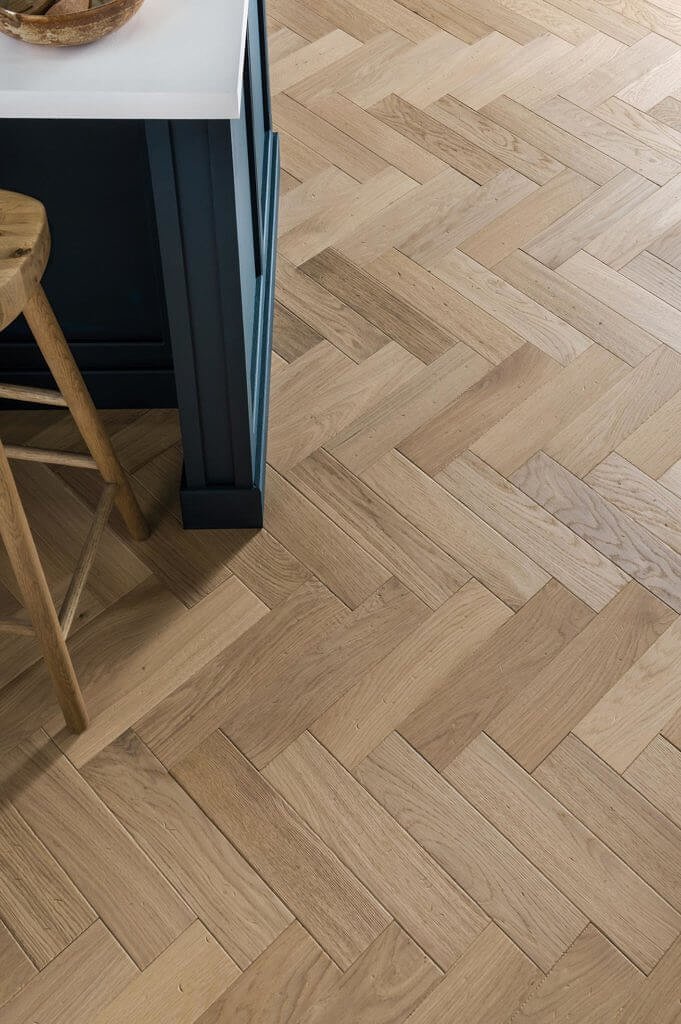
Using the same timber in different formats is one approach. A plank floor could lead into a herringbone section, creating a subtle distinction between dining and living areas while keeping the material palette consistent.
A border or architectural detail can also define a particular zone. This can be especially useful when a large open-plan room needs to accommodate several functions and helps guide your eye around the room.
Choose wood as a more conscious material
Choosing wood flooring can also be part of a more eco-conscious approach to interiors. Timber is a natural, renewable material, and responsibly sourced wood can help reduce reliance on more resource-intensive flooring materials. Look for recognised certification and consider the floor's construction, lifespan and potential for maintenance and repair when making your choice.
There is also something satisfying about choosing a material with a natural origin and a long life. When you know more about where your flooring comes from and how it has been made, you can feel good about the choices you're making for your home.
Read our sustainability guide
Bring natural materials into your home
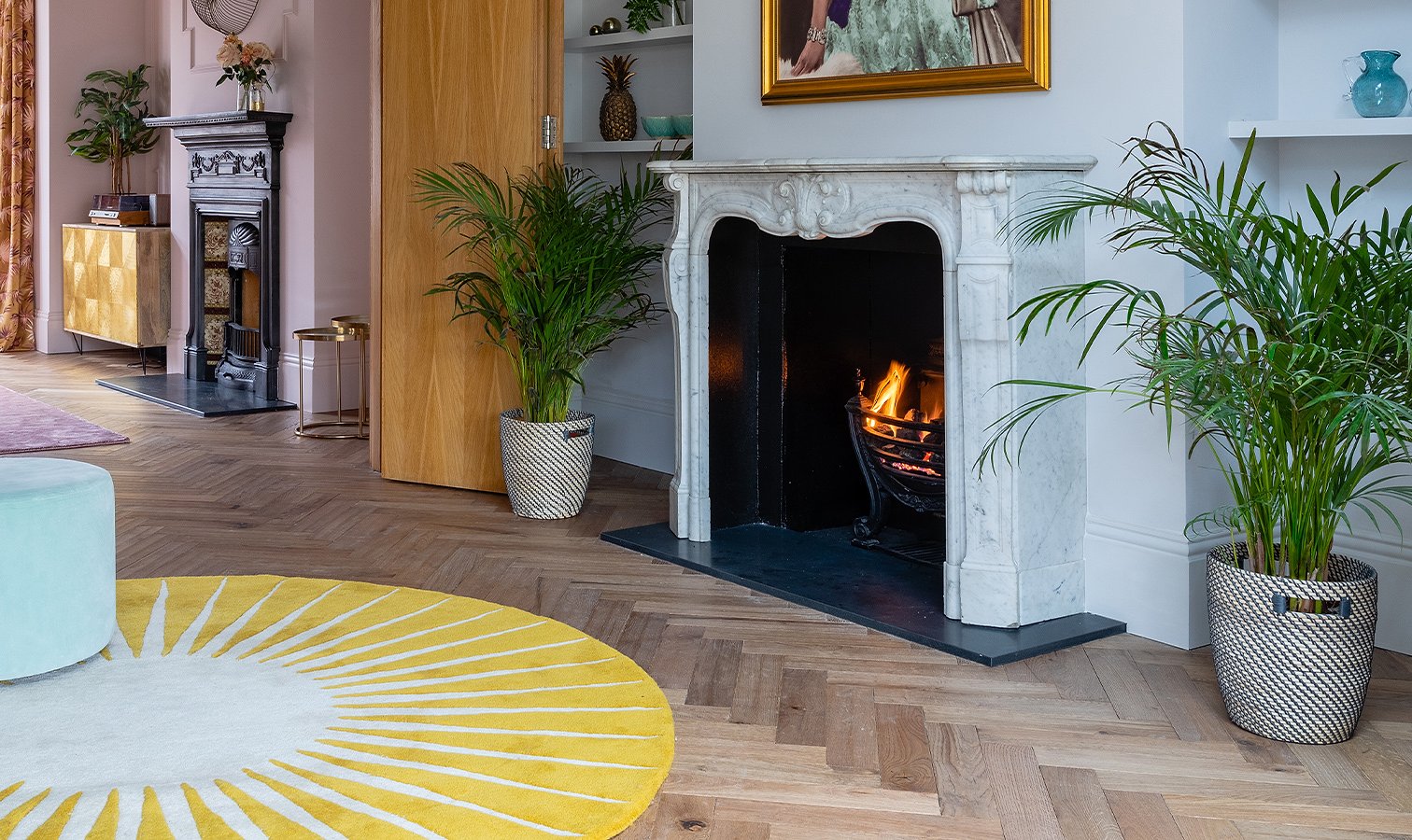
Natural materials can add warmth, variation and texture to an interior. Timber, stone, linen, wool and ceramics each have their own surface qualities, helping to create a more layered scheme.
Wood flooring is particularly significant because it covers such a large area of a room. The grain, colour variation and surface texture become part of the overall design rather than simply sitting beneath it.
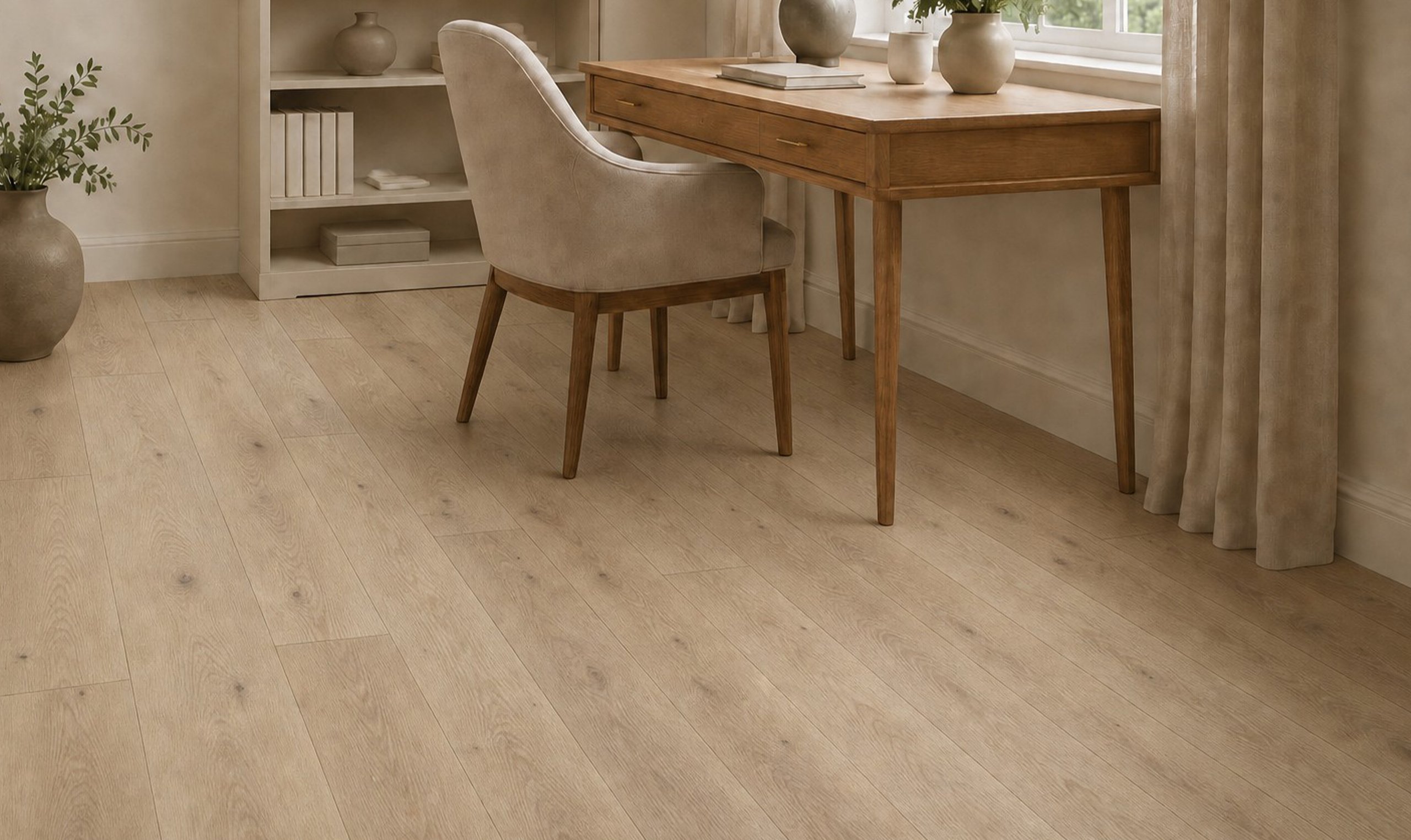
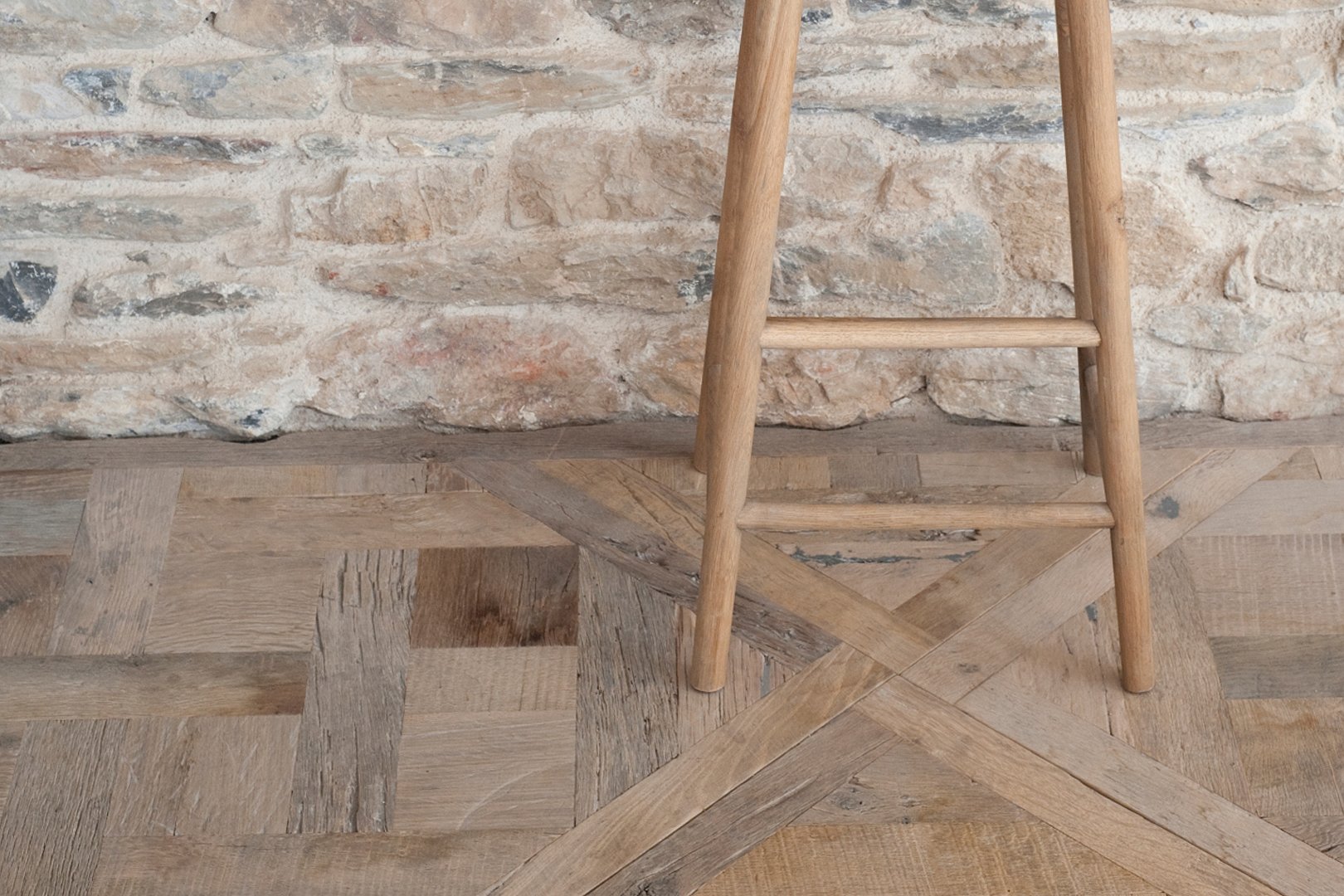
The character of the timber can also change the atmosphere. A lightly toned oak with subtle grain can provide a quiet backdrop, while a more heavily textured floor with visible knots and tonal variation can become a stronger feature.
Textured Design
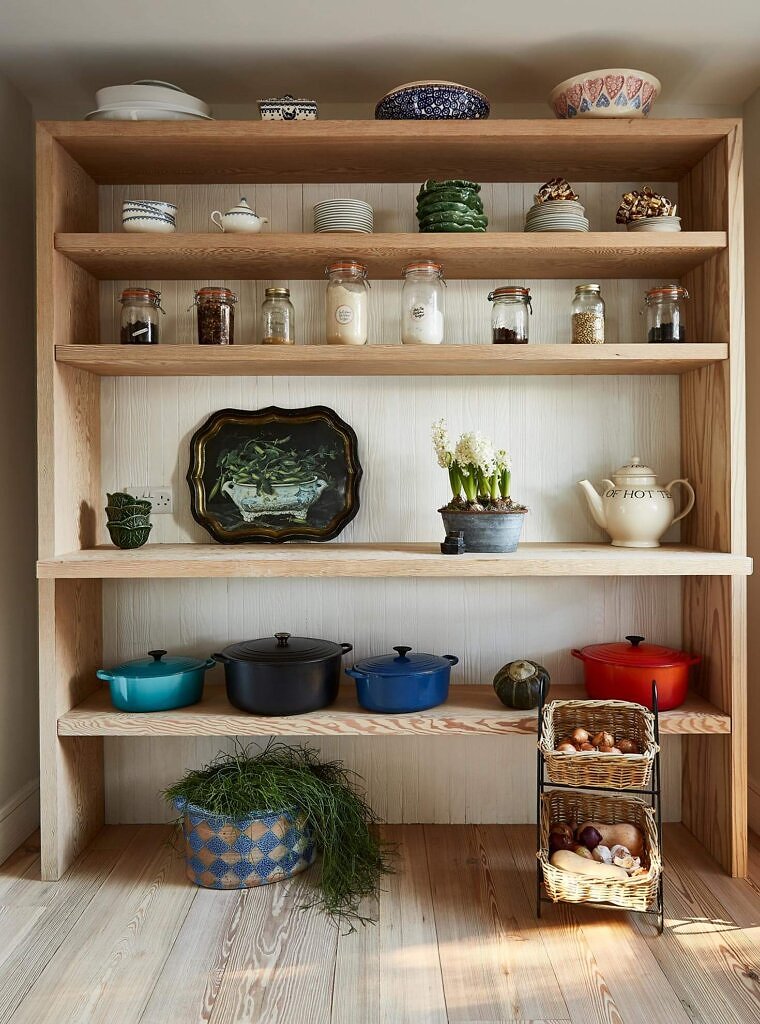
A calm interior does not have to be completely plain. Texture is an effective way to introduce interest without relying on strong colours or bold patterns.
Timber naturally provides texture through its grain, but craftsmanship can emphasise this further. Brushing, sawn marks, weathering and more pronounced surface variation each create a different character.
Brushed timber
Brushing removes some of the softer material from the surface of the timber, bringing the natural grain into greater definition. It adds tactile detail while retaining a relatively understated appearance.
Undulating timber
We sand the wood’s natural undulations to really bring them to the fore. This gives a truly organic feel, as no board will be exactly the same as another.
Sawn timber
Inspired by the natural wear and tear of older wood, we make both shallow and deep saw marks across open areas of the board.
Weathered and textured timber
A distinctive texture inspired by timber weathered by coastal elements. Each plank has deep, wide markings across a furrowed surface, creating a pitted effect.
Browse Crafted Textures Collection
Consider how natural light moves through the room
Light plays an important role in the atmosphere of an interior. Before choosing colours and finishes, consider how daylight changes throughout the day and where the brighter and darker areas of the room naturally fall.
In open-plan spaces, glazed doors, open shelving and carefully positioned furniture can help maintain a sense of connection between areas without making everything feel exposed.
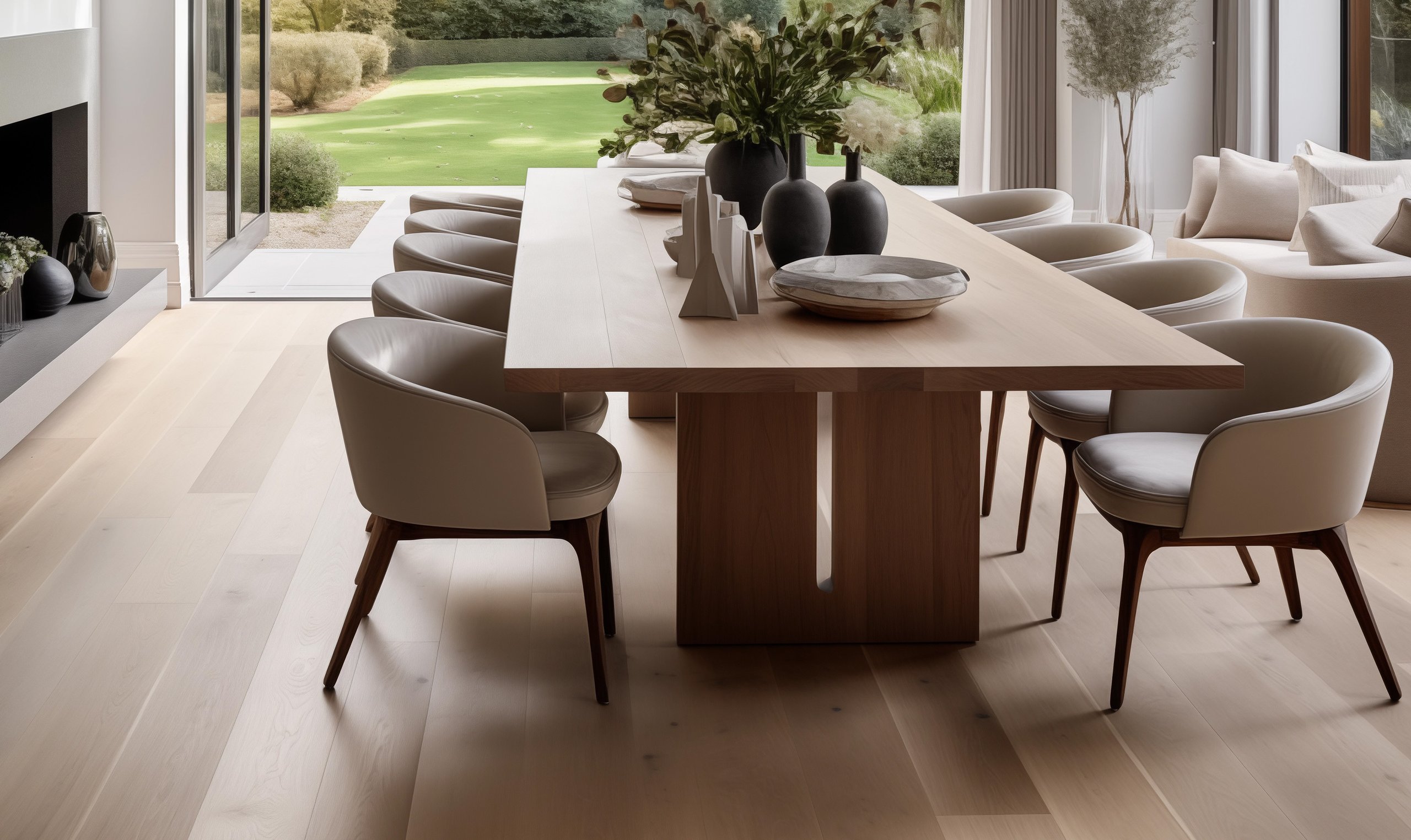
Flooring also contributes to the overall balance. Pale timber can help maintain a lighter visual palette, while deeper oak tones introduce more contrast and can make larger spaces feel more grounded.
Design your home around the way you live
The most useful approach to wellbeing-focused interiors is to start with everyday life rather than a particular aesthetic.
Consider where you work, where you relax, how people move through the home and which spaces need to accommodate more than one activity. From there, the layout and material choices become much easier to define.
A family kitchen might need a durable timber floor that can handle regular use. A bedroom may benefit from a quieter colour palette and more subtle grain. A living room could use a more characterful floor as the foundation for furniture, artwork and textiles.
If you’re interested in learning more about our range of oak flooring options, contact us today to schedule a consultation with one of our experts.