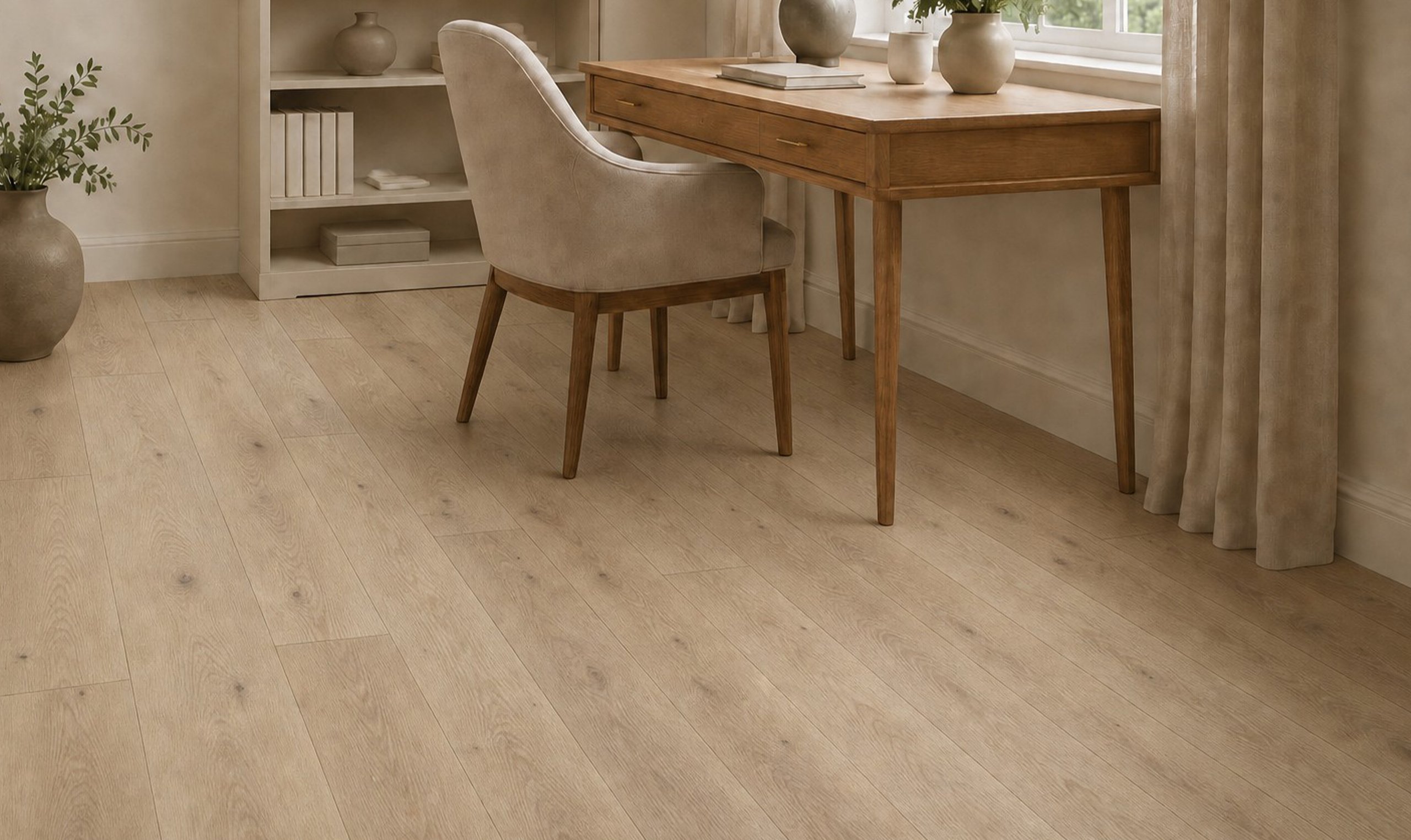
Scandinavian interiors are known for their light, natural palette, clean lines and thoughtful use of materials to keep interiors feeling bright and fresh throughout the dark winter months. At the centre of this approach is wood flooring, which provides warmth and texture while creating a considered foundation for the rest of the space.
The key is to look beyond colour alone. The format, grain, finish and way the floor interacts with furniture, light and natural materials all contribute to the overall Scandinavian aesthetic.
What is Scandinavian interior design?
Scandinavian interior design is rooted in simplicity, functionality and a strong connection with natural materials. Rather than relying on excessive decoration, the style focuses on creating spaces that feel practical, comfortable and considered.
This style has been popular for many years now, with its prevalence in British homes increasing as we began to yearn for a sense of comfort and security while looking for the all-important work/life balance.
Wood plays an important role within Scandinavian interiors. Its natural grain introduces warmth and texture, while lighter tones help maintain the bright, open quality associated with Nordic design.
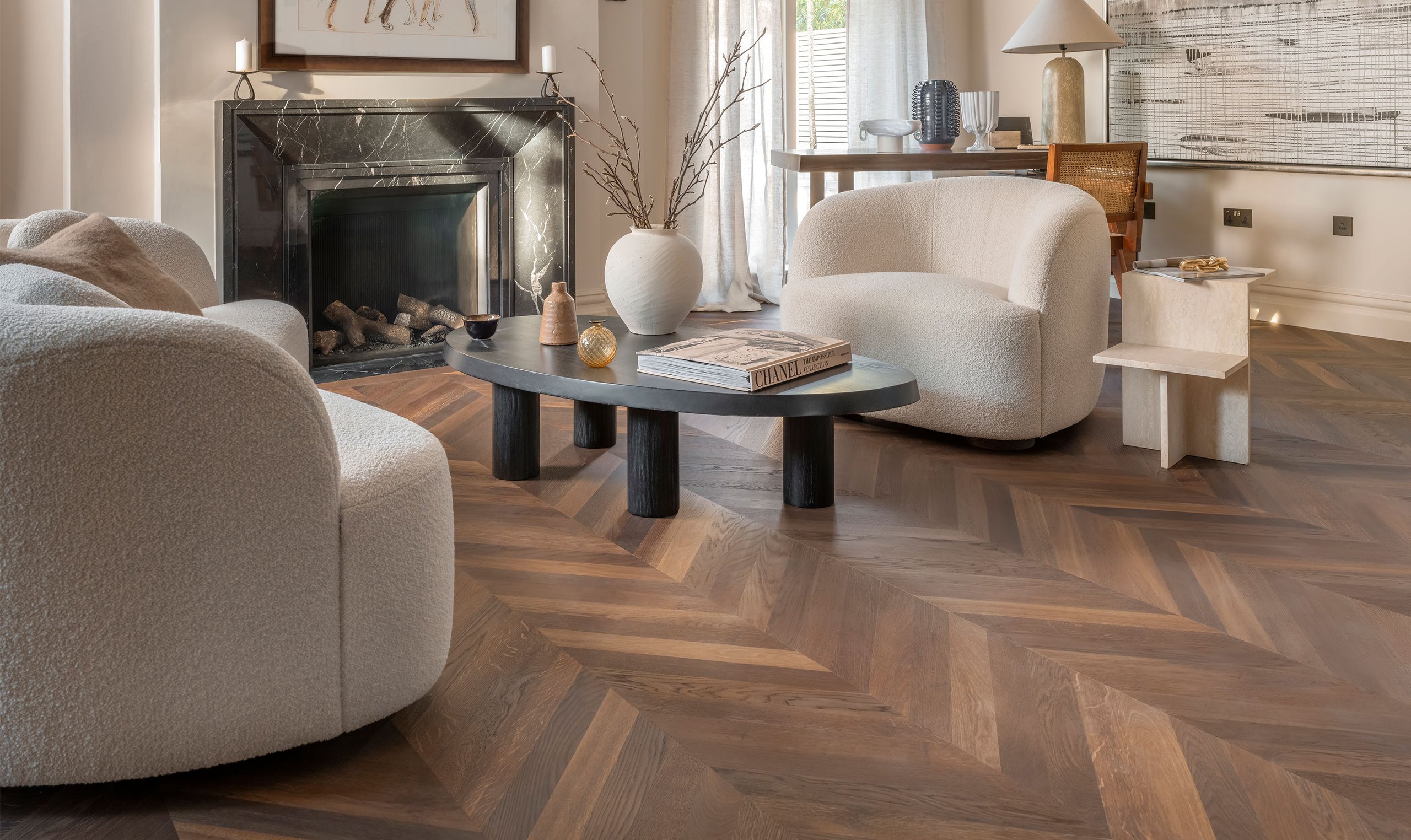
This does not mean every Scandinavian interior needs to use the palest possible timber. Contemporary interpretations can introduce warmer oak tones, deeper shades and more defined patterns while retaining the same principles of simplicity and natural materials.
Characteristics Of Scandinavian Style Flooring
Scandinavian-style flooring typically has a natural, understated appearance. Light and neutral tones are often associated with the style, but the overall character comes from the combination of colour, grain and texture.
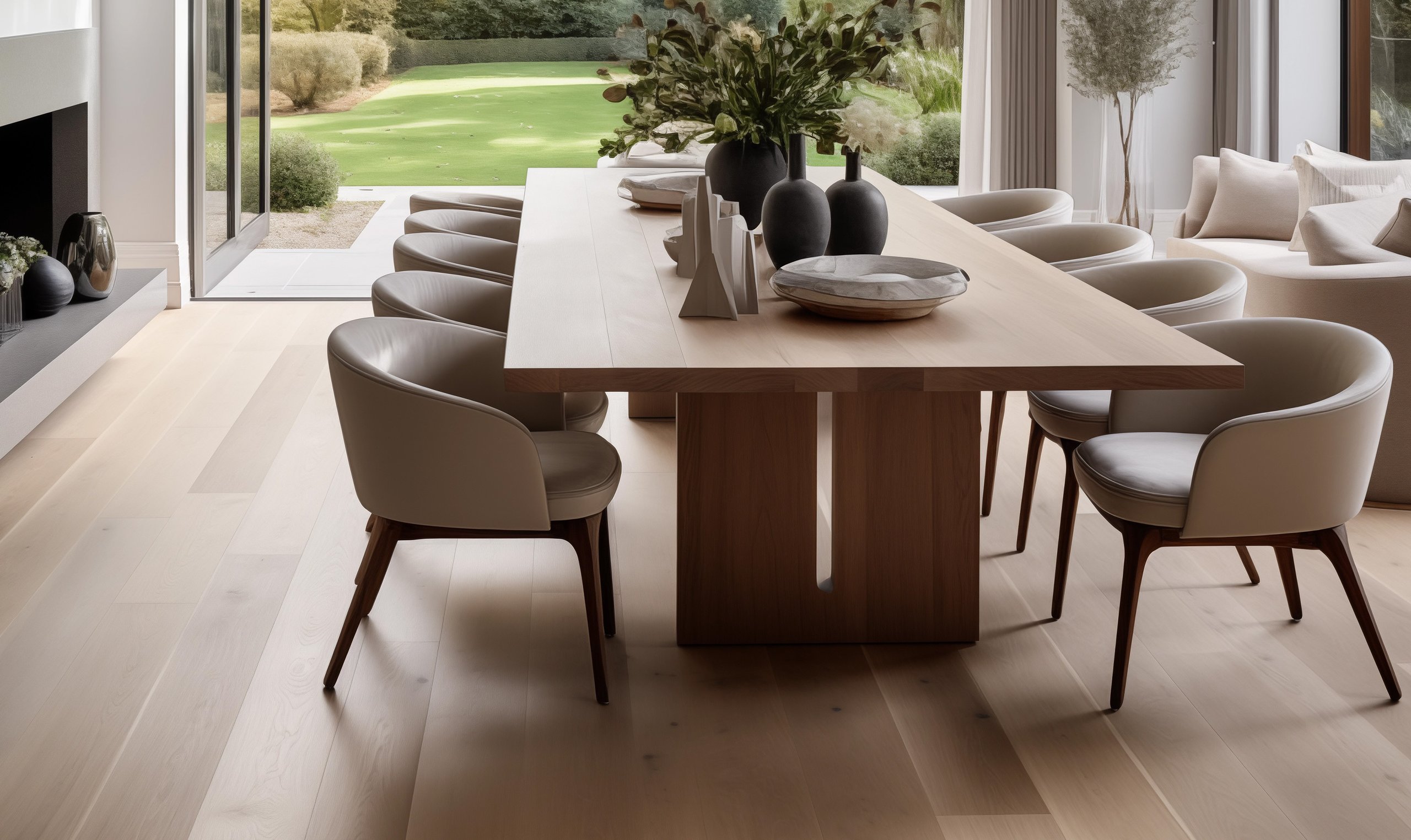
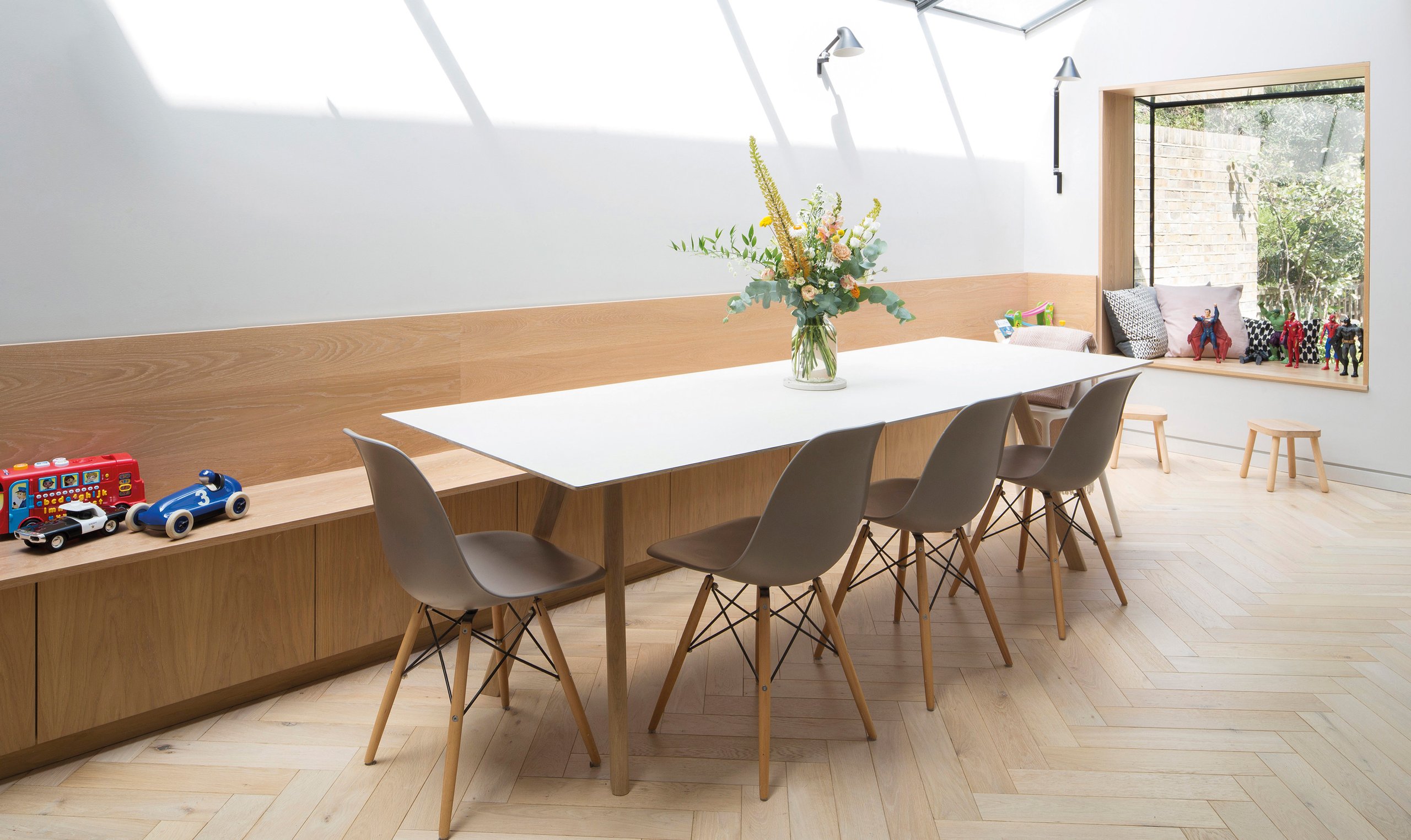
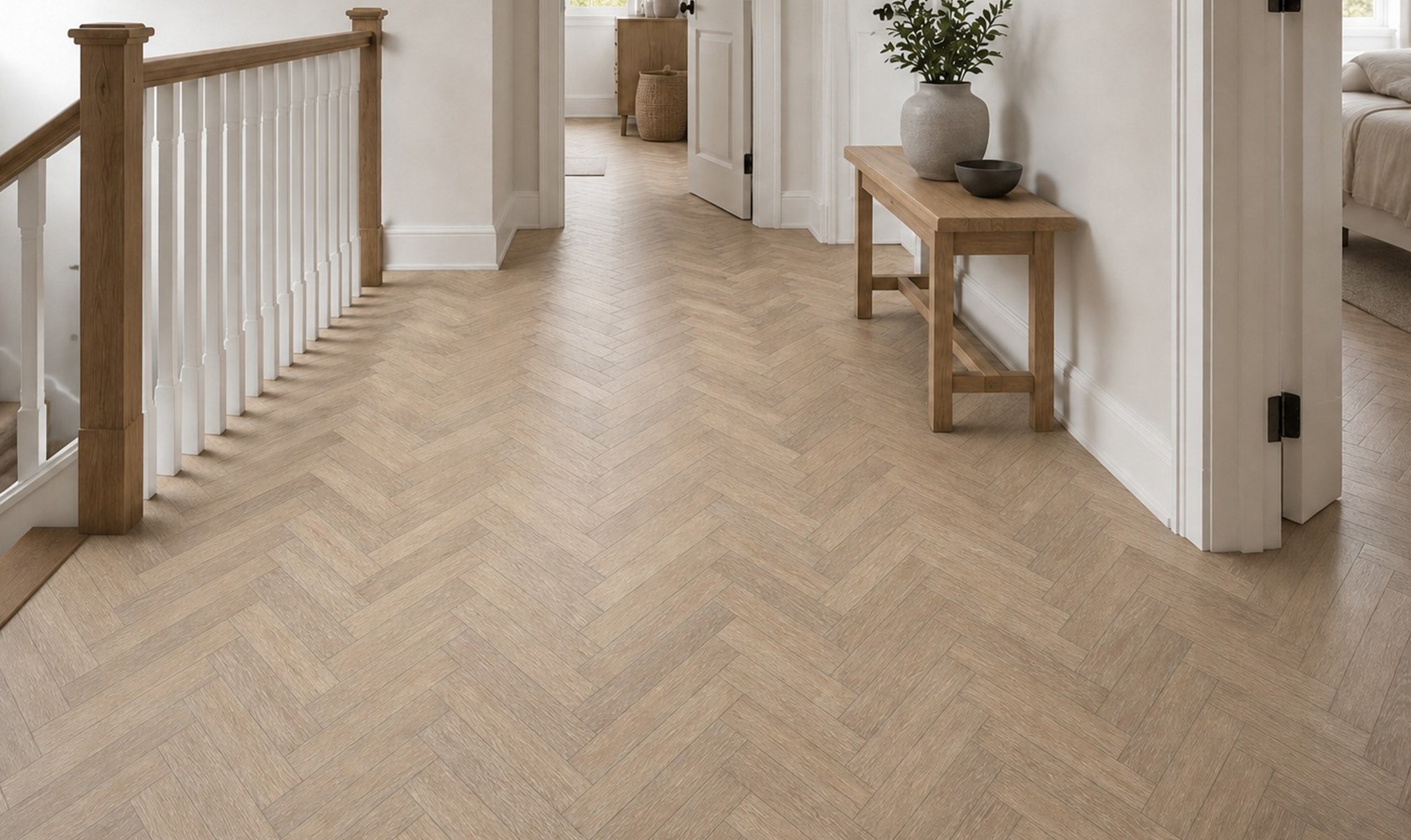
A lightly brushed oak floor can bring subtle definition to the surface without overwhelming the room. More traditionally used, wider planks can emphasise the length of a space. Open plan living is a key element of Scandinavian living, and hardwood floors are the perfect way to tie the open spaces together.
The finish is equally important. A low-sheen surface helps maintain the natural appearance of the oak, allowing the grain and tone to remain visible rather than creating a highly reflective surface.
Best Types Of Wood For Scandinavian Flooring
Traditionally, pale oak, pine and Douglas Fir have been popular choices because their lighter tones help create a bright and open feeling.
However, Scandinavian design does not have to mean an entirely white or pale interior.
The more contemporary approach is to use natural timber as the foundation, then introduce contrast through furniture, textiles, artwork and other materials for an organic modern feel.
Light Oak Flooring
Light whitewashed oak is a natural choice for Scandinavian interiors because of its understated colour and visible grain. Pale oak flooring can help reflect natural light and works particularly well alongside white, cream and soft neutral walls.
Ted Todd offer a range of European oak white toned floors including Brindle, Linton and Haling allowing the tone and character of the floor to be considered alongside the wider interior scheme.
Pine Wood Flooring
Pine offers another route to the Scandinavian aesthetic. Its naturally lighter appearance can create a relaxed, understated foundation, particularly when paired with soft neutrals and natural materials.
Bleached and lighter-toned pine can give a more contemporary interpretation of the traditional timber, helping maintain the bright, open quality associated with Nordic interiors.
Douglas Fir
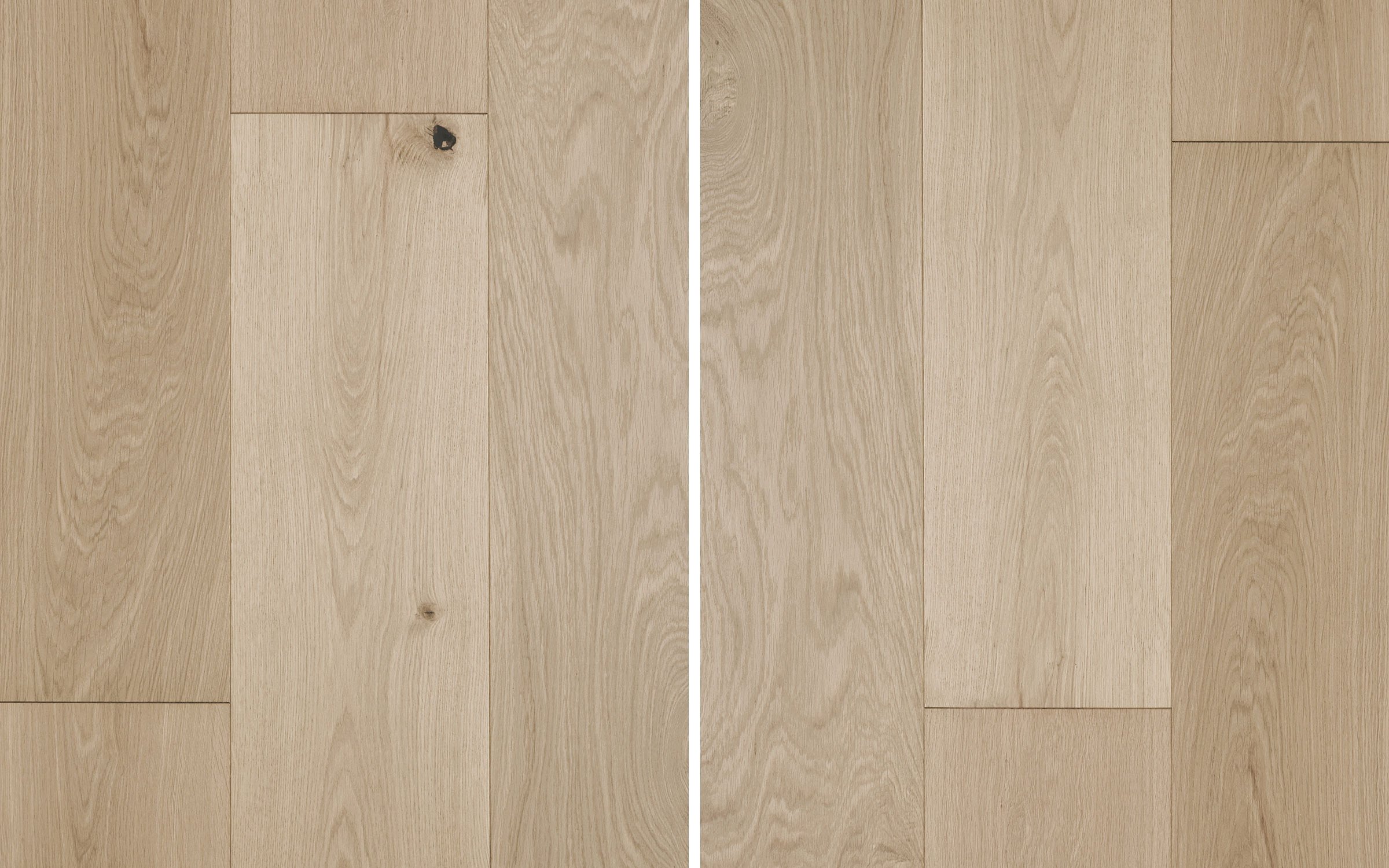
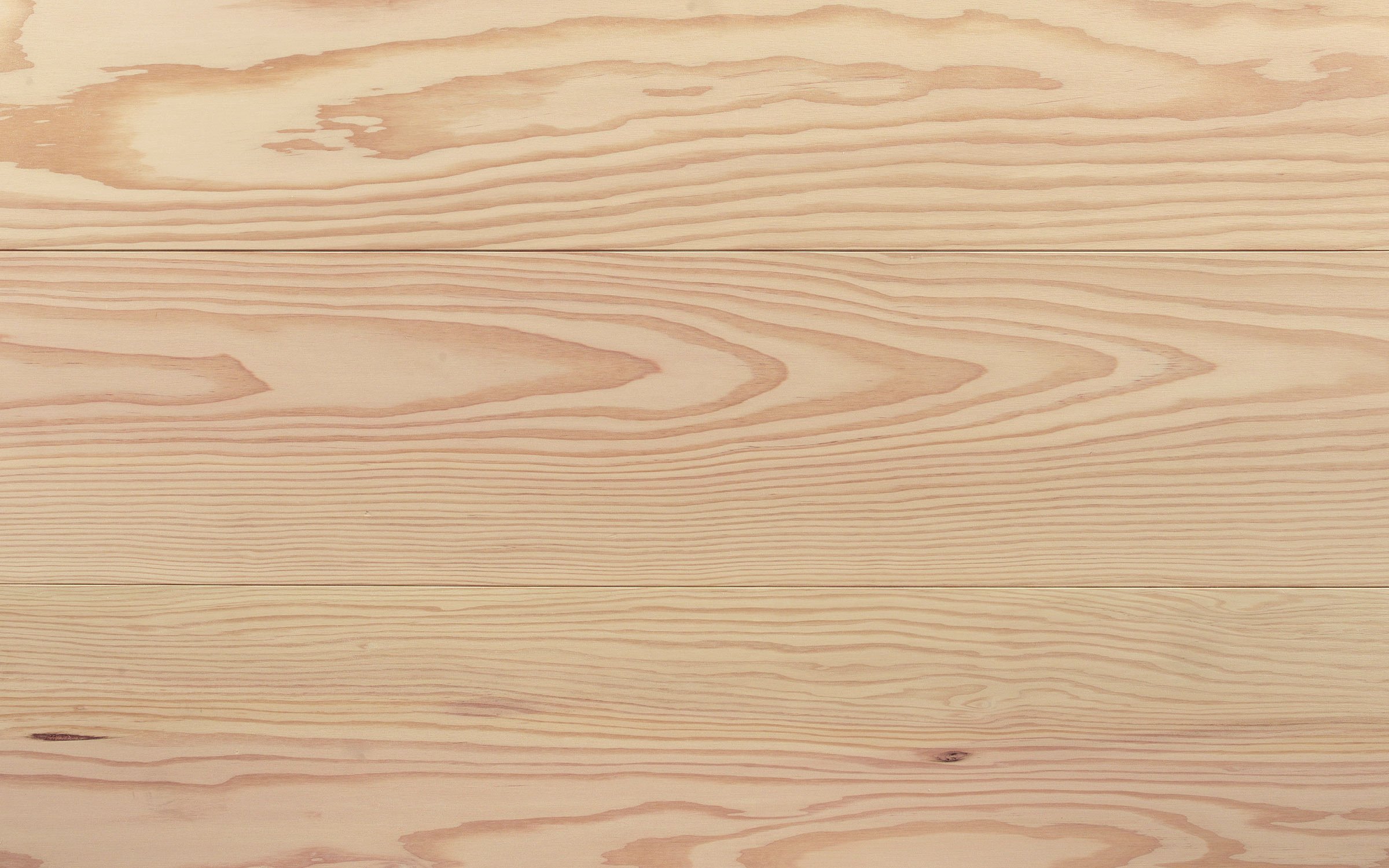
Douglas Fir is recognised for its prominent grain and naturally pale tone. Its long, wide boards can create strong visual lines through a room, while the pronounced grain adds subtle character to an otherwise restrained palette.
Delamere Plank from the Specialist Woods Collection uses the natural wide grain of Douglas Fir to create a clean, linear appearance.
How to achieve the Scandi look
Scandinavian interiors may favour simplicity, but that does not mean they need to feel cold or characterless. Layering natural textures, soft furnishings and considered accessories can add warmth and personality without compromising the clean aesthetic.
1. Bring nature indoors
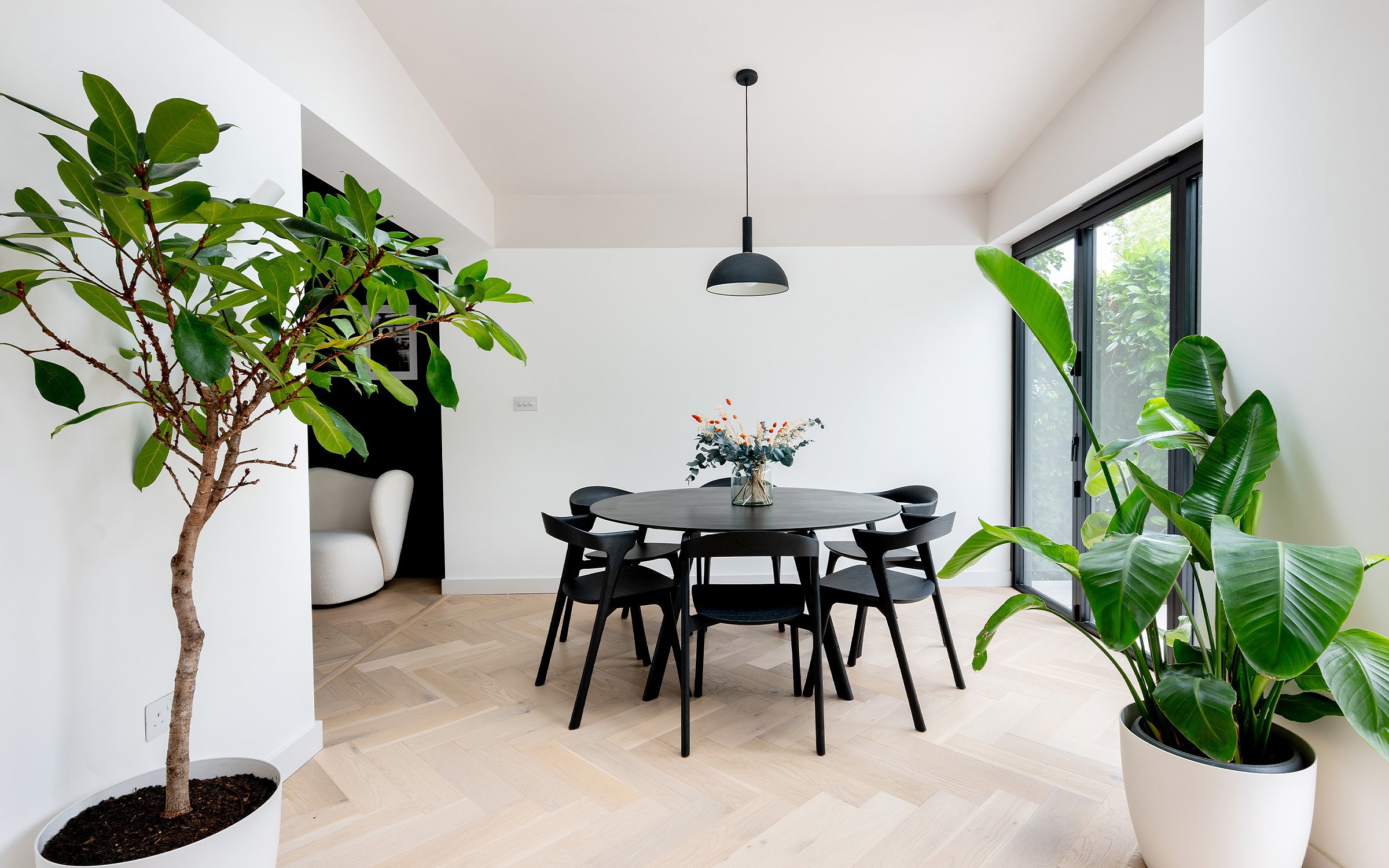
Plants introduce colour, texture and another connection to nature. They work particularly well alongside natural timber, adding a softer contrast to the clean lines of Scandinavian wood flooring.
2. Layer soft textiles
Throws, cushions and blankets can bring warmth and subtle colour to a neutral palette. Choose natural fabrics such as linen, wool and cotton to complement the grain and texture of the timber floor.
3. Define the space with rugs
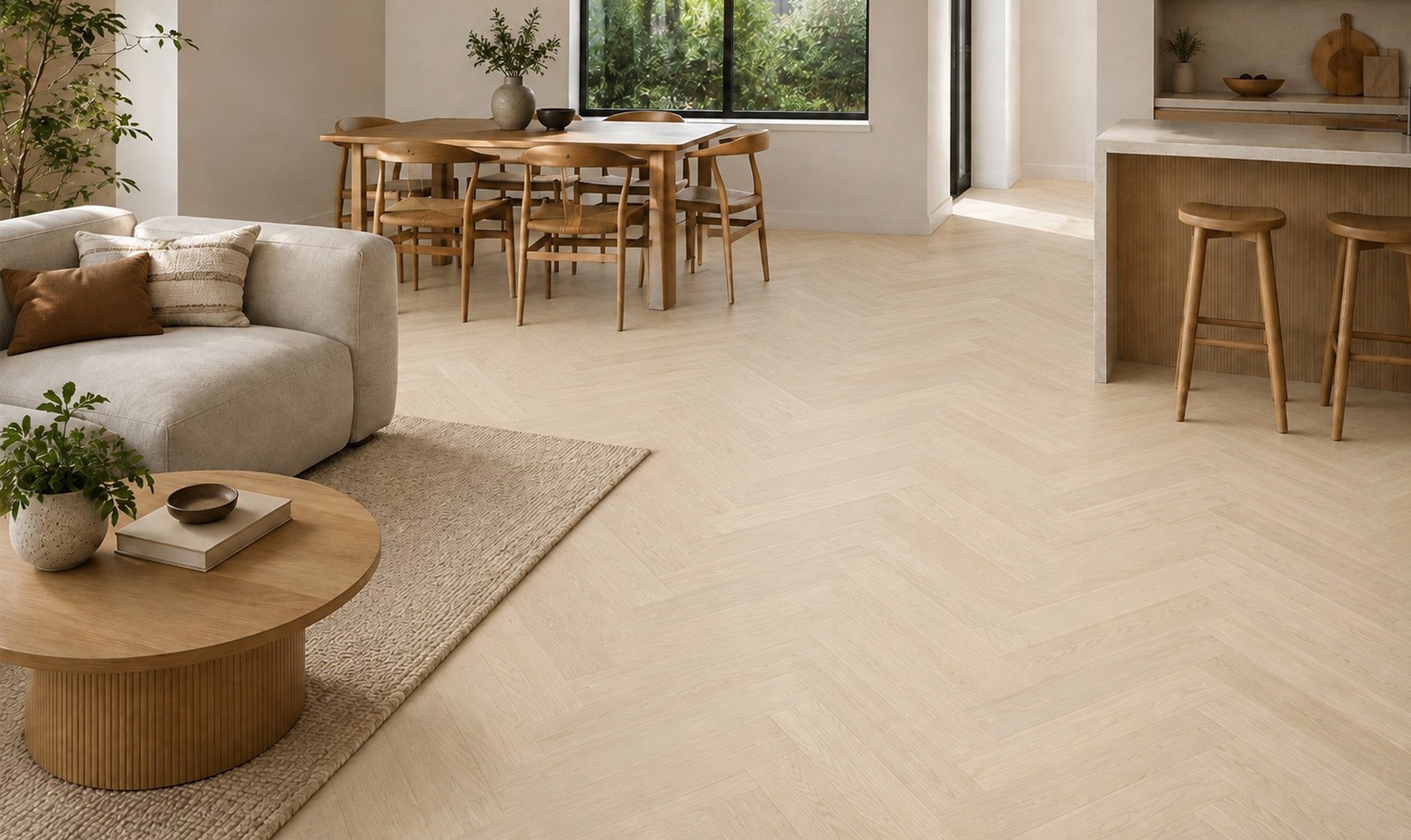
A simple, neutral rug can soften a room while adding another layer of texture. Minimal patterns and natural tones work well with Scandinavian flooring without competing with the grain or laying pattern.
4. Consider lighting
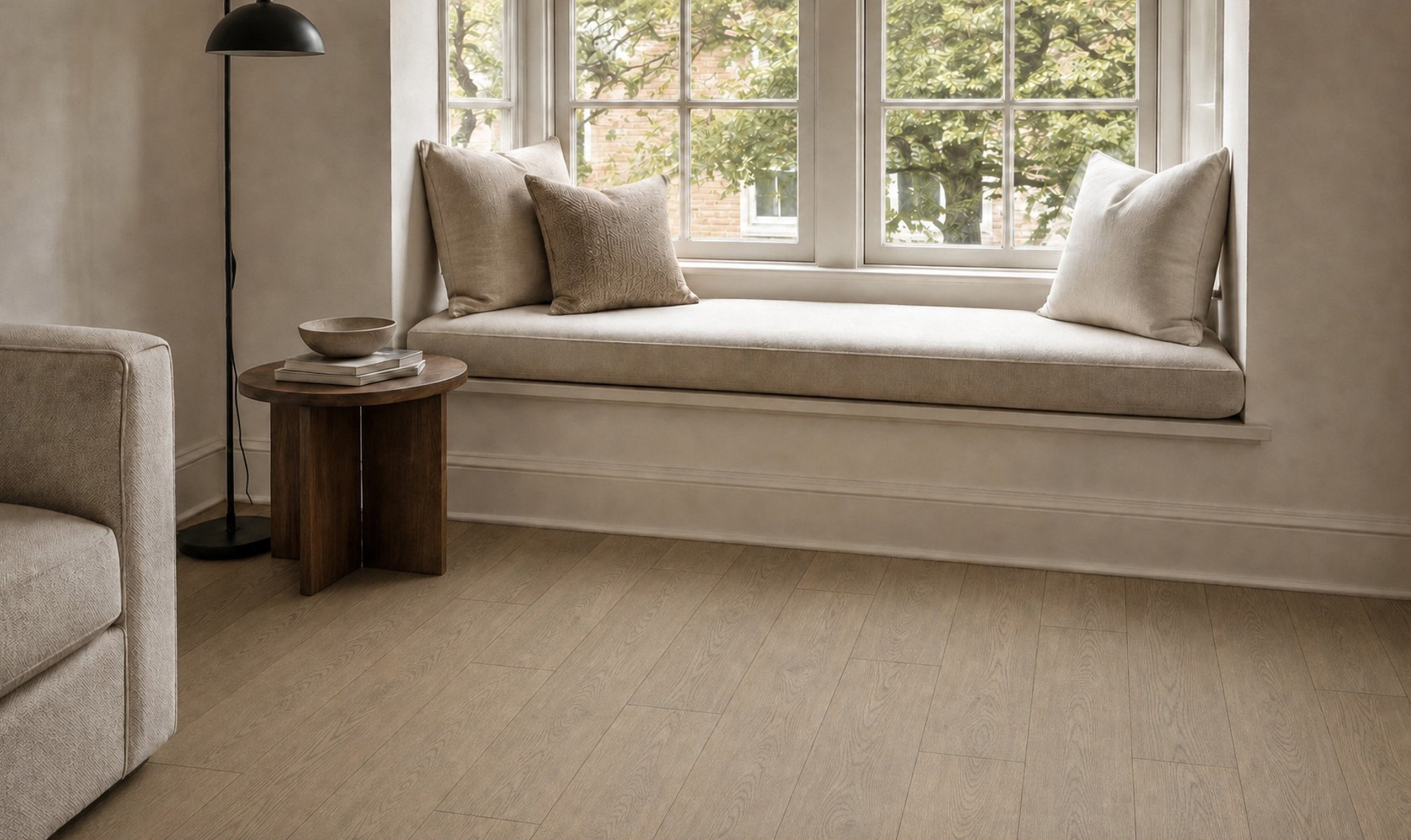
Lighting can make a significant difference to the atmosphere of a Scandinavian interior. Combine ambient and task lighting to create a bright but comfortable space, using floor and table lamps to introduce warmth after dark.
5. Keep furniture simple
Furniture with clean lines, natural materials and simple forms complements Scandinavian wood flooring. Mid-century and contemporary pieces can work particularly well, creating contrast without adding visual clutter.
6. Make storage a key factor
Open shelving and considered storage can provide both function and visual interest. Keeping everyday items organised and selectively displayed helps maintain the clean, practical feel of a Scandinavian interior.
7. Add considered details
Mirrors, artwork and small decorative pieces can bring personality to the space without overwhelming it. Choose simple shapes and natural or muted tones to complement the flooring and wider material palette
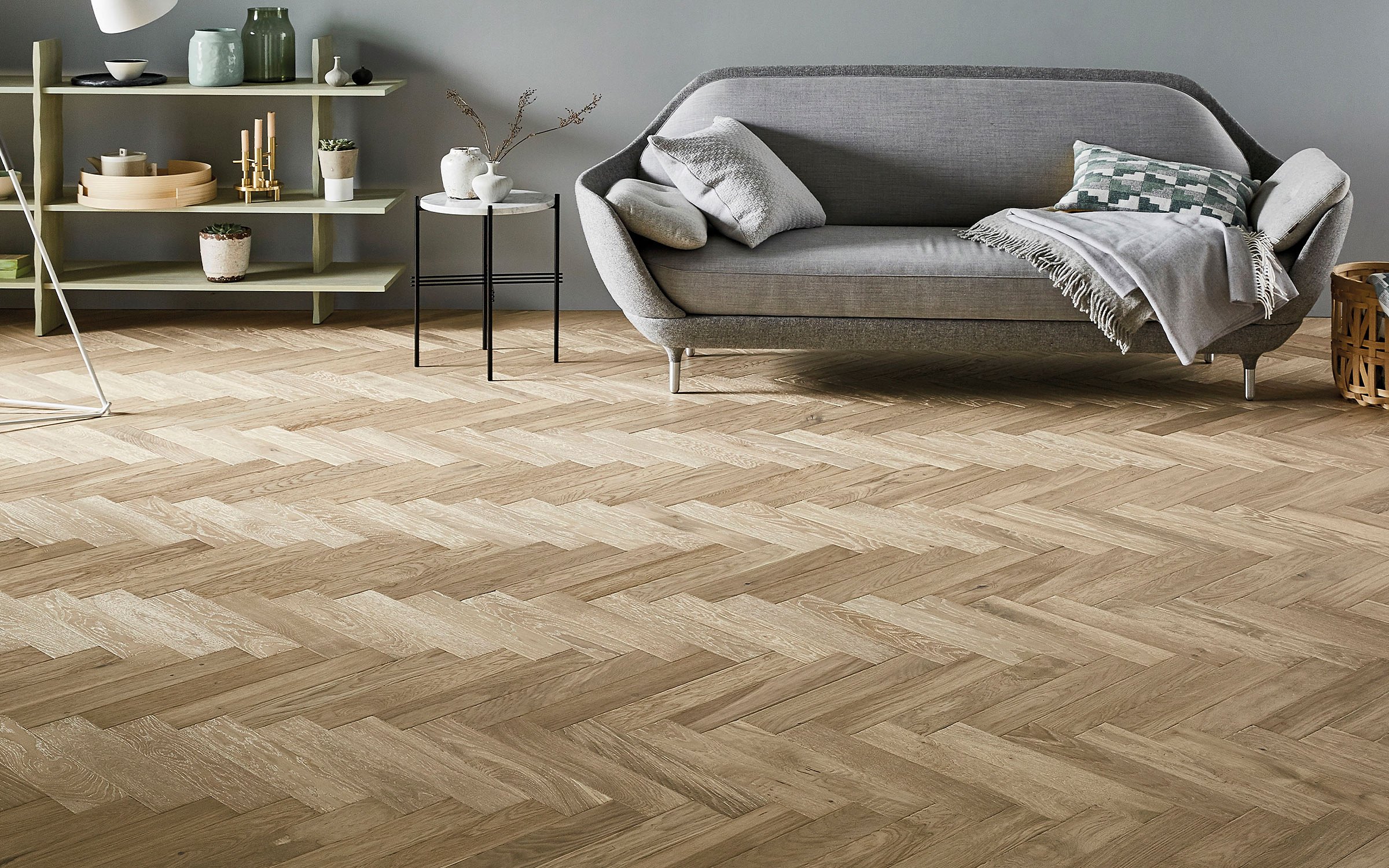
A Scandinavian interior is about balance: natural materials, a considered palette and a floor that brings warmth and texture to the space. Light wood can create a bright, open feel, while thoughtful furniture, soft textiles and simple accessories add comfort and personality.
If you need help selecting the right Scandinavian floor for your project, visit a Ted Todd Design Centre and speak to our wood specialists who can help you compare tones, textures and formats.