


While surface patterns shift seasonally in the interior design world, flooring remains one of the most enduring design choices in the home. Yet even with its slower paced buying cycle, our changes in values and confidence to decorate more boldly will certainly be reflected in how we approach wooden flooring for our homes into 2026. This shift reflects a broader move towards investing in fewer, better-quality materials that combine longevity with design impact.
Add style and performance with extra-wide, extra-think floors
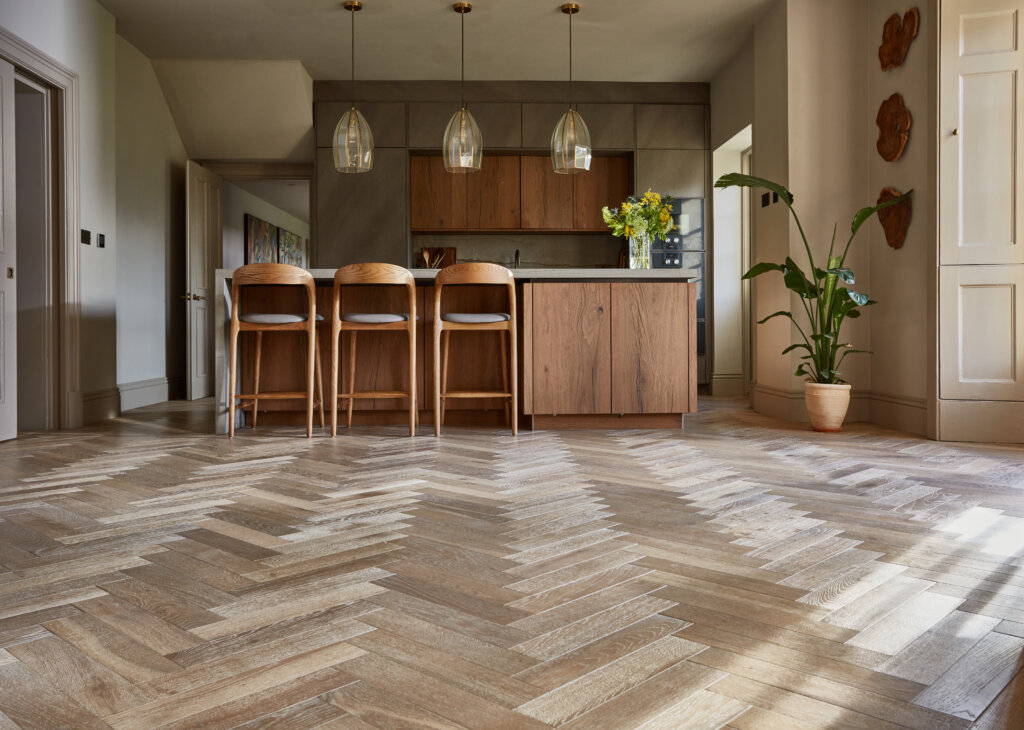
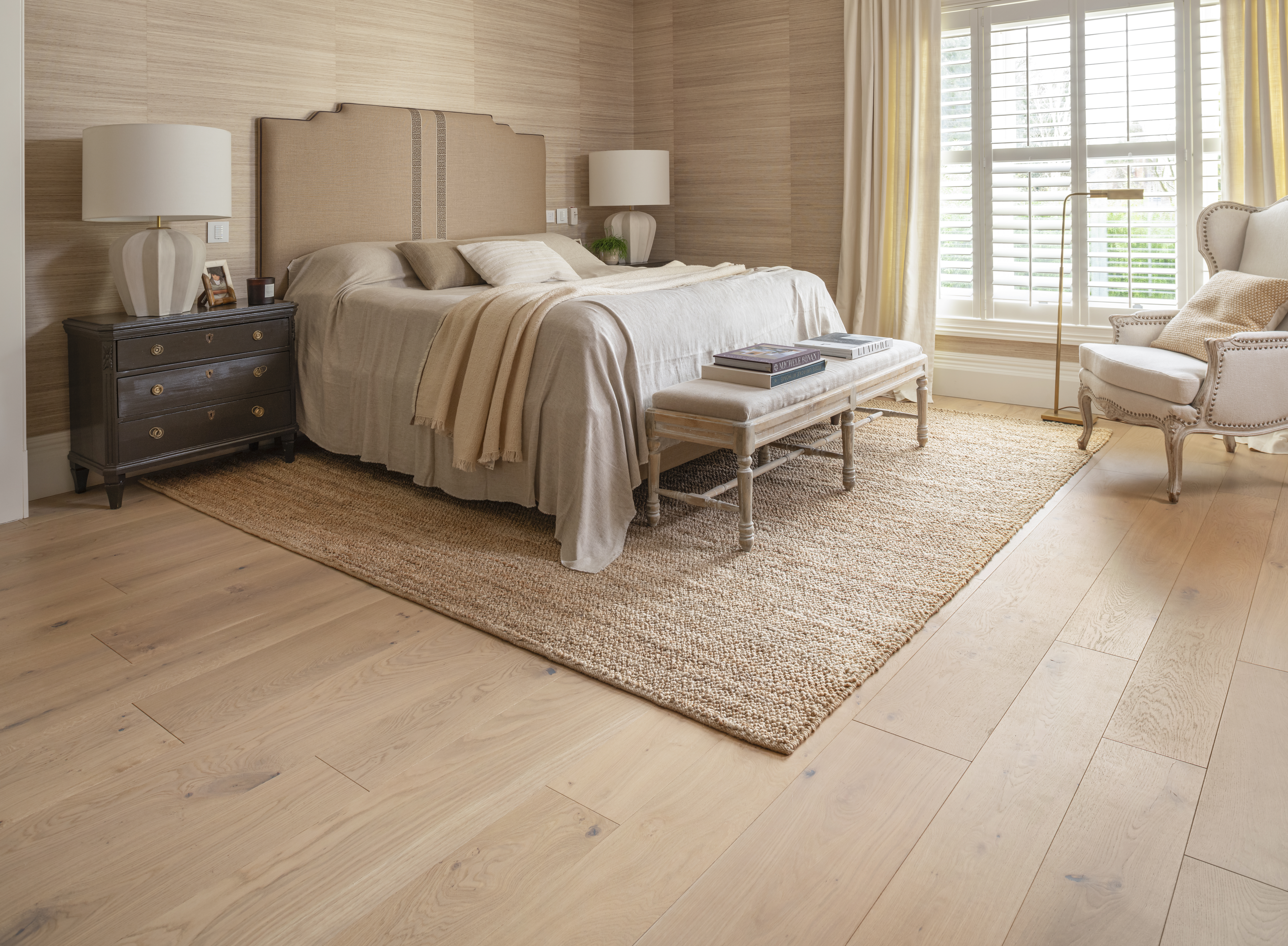
Premium engineered wooden floors continue to be a timeless choice. Despite recent cost of living pressures, there is growing demand for thicker, more substantial boards that deliver a luxurious style with everlasting quality, for floors built to last. Thanks to their large format, extra-wide planks bring a sense of calm, elegance and modernity to both period and contemporary spaces.
As many renovations move towards open-plan layouts to suit busy family lifestyles, extra-wide planks help our homes feel more balanced in scale. With fewer joins and thicker boards this results in a seamless, smooth texture, that allows more room for the timber to breathe and showcase its natural beauty without interruption.
In response, Ted Todd has expanded its Project collection, with six new extra-wide designs, reflecting the growing desire for floors that feel stylish yet timeless and longer-lasting.
Mix and match for visual flow
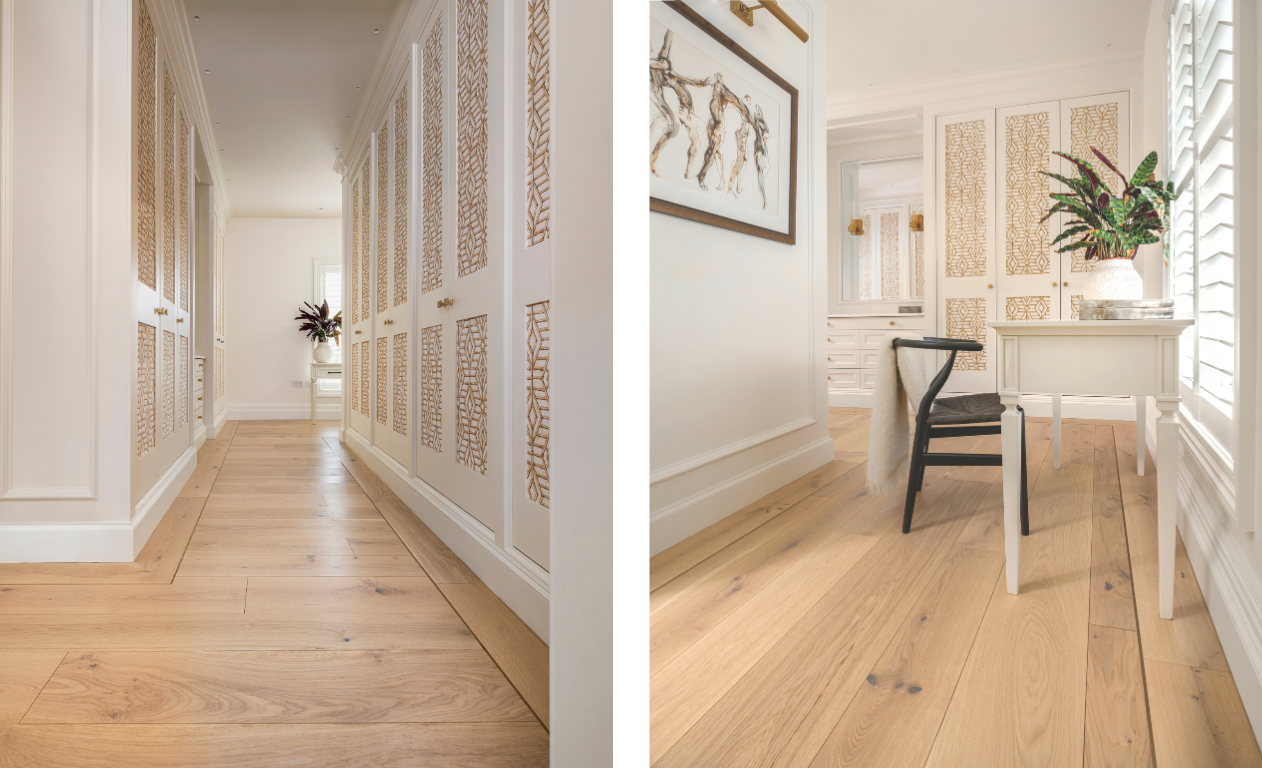
As mentioned above, open-plan living continues to be a preferred way for us to interact within our homes, which raises the question: how do you zone an open-plan space to make it feel less, well, open? Homeowners are turning to mixing laying patterns to subtly define areas without the need for walls.
Using a single timber tone across plank, chevron and herringbone formats allows zones and rooms to flow effortlessly into one another, creating distinction through texture while maintaining cohesion through colour. Ted Todd collections such as Residence®, speak directly to this trend, offering design consistency with enough variation to show rhythm and visual interest. The collection also features bevel-free, square shoulder joins to further enhance the clean, uninterrupted aesthetic that continues to resonate in modern interiors.
Mixing formats not only defines spaces visually but also adds a subtle sense of movement and personality to a home. Combining plank, chevron and herringbone layouts creates depth and rhythm, guiding the eye naturally from one zone to the next. The result is a cohesive yet dynamic environment, where each area feels purposeful while maintaining the overall harmony of an open-plan layout.
The Dark Revival
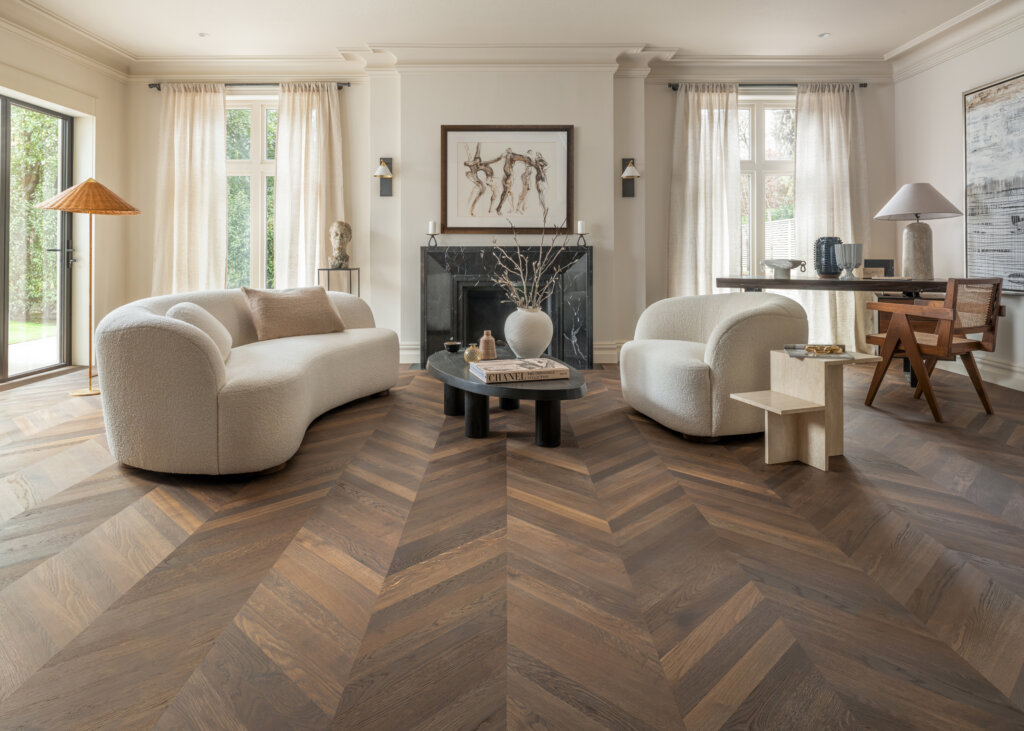
Wood tones have gradually been shifting away from cool greys and light oaks in favour for warmer, richer colour, with natural and dark woods leading the way. Deep, characterful timbers highlighting expressive grain, knots and tactile surface detail, are being increasingly preferred for the depth and comfort they bring to both traditional and contemporary spaces.
Think deep walnuts and rich mahoganies, which are ideal choices for achieving a moody, grounded feel. These tones pair beautifully with the ever-popular earthy palette for an organic modern style, but it’s important to balance the décor with lighter elements such as upholstery and rugs to prevent making the space feel too heavy.
Building on this trend, darker woods are set to make a bold statement in 2026, combining timeless style with versatile design. Whether used on staircases, statement skirtings or feature walls, their rich tones add subtle drama and highlight architectural details, while providing a layered, sophisticated backdrop that keeps interiors cohesive and full of character.
Warm Minimalism
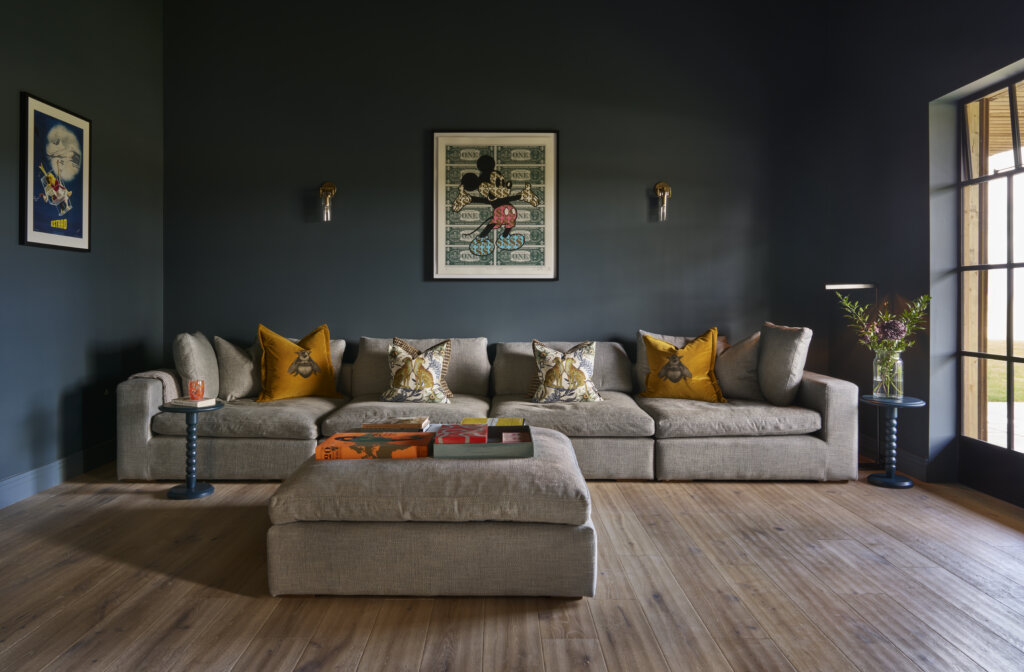
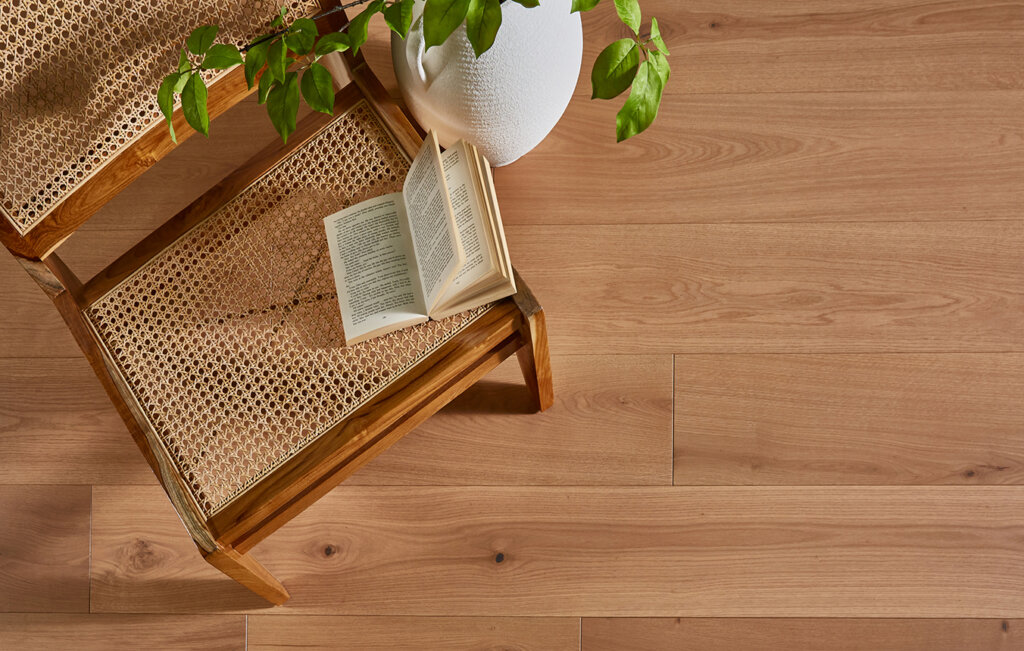
Softer, warmer tones are also on the rise, introducing unexpected colours you may not typically associate with flooring, such as delicate putty reds and golden yellows. These shades not only add a sense of excitement and innovation to a space but also enhance feelings of warmth and comfort. Working beautifully alongside a neutral palette of warm whites and natural materials like rattan and travertine stone, these unique tones create a design-led interior that feels considered and truly one of a kind.
Ted Todd is set to launch three brand new coloured floors within their Classic Futures collection, in time for Spring/Summer, featuring an extra-wide format to fully showcase the depth of each colour. The floors are finished with a smooth Absolute Matt® lacquer, which works in harmony with the timber’s natural detailing for a sophisticated yet calming aesthetic that perfectly aligns with the warm minimalistic trend.
Softer, warmer flooring helps spaces feel both modern and welcoming, showing that minimalism can be inviting as well as refined. By introducing subtle colour and texture through the floor, interiors gain personality and depth, creating environments that are calming, sophisticated and effortlessly comfortable.
Wood Drenching
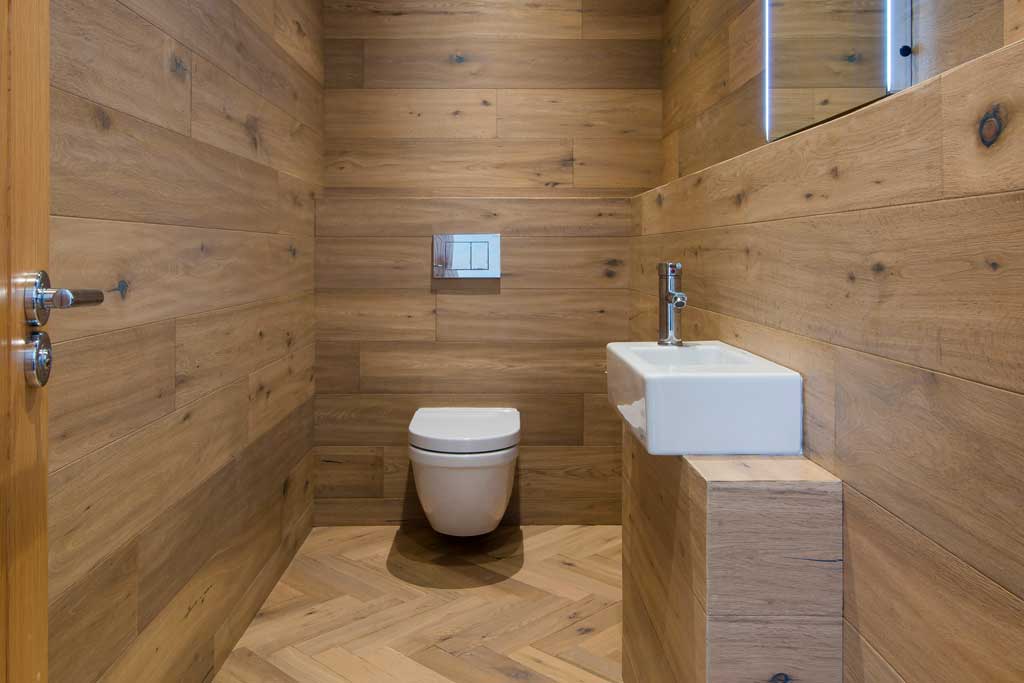
Look to any interior magazine right now and it’s telling you to colour drench, but it’s about time wood drenching got the same appreciation. Bridging the gap between 70s nostalgia and contemporary Japandi style, this cocooning approach creates a warm, enveloping effect that feels like a hug, adding a sense of calm and security.
Woods shouldn’t be reserved solely for floors, it deserves to be embraced across all surfaces including walls, ceilings, cabinetry and even freestanding plinths. This allows a home to feel fully cohesive, with the warmth of wood wrapping around the room. When combined with natural textiles, soft lighting and neutral décor, wood drenching enhances texture and adds subtle visual interest without overwhelming the space. For best results, consider varying the grain and finish slightly between elements to add depth while keeping the tone consistent. Layering wood throughout a space creates rich warmth, which is best achieved by using a consistent wood tone across all surfaces for a totally seamless, contemporary finish.
Extending wood to unexpected areas, such as shelving, window frames or ceiling beams, further enhances the immersive effect. It creates unifying features that tie different elements together and reinforce rhythm and harmony. Thoughtful layering of wood elevates the aesthetic and provides a tactile, sensory experience, making a home feel truly enveloping.
As we continue to choose more conscious choices in our homes, not only for the environment but for our wellbeing, 2026 is the perfect time to be introducing natural, sustainable, engineered wood flooring into your interiors. Responsibly sourced and designed for longevity, engineered wood allows homeowners to combine style with mindfulness, creating interiors that are visually striking, welcoming and environmentally conscious. Whether your aesthetic is contemporary, traditional or a blend of both, wooden flooring in 2026 brings warmth, character and enduring appeal, making it a defining feature of any home.
For help bringing these 2026 flooring trends into your own home, book a design consultation to speak with our team of wood floor experts who can offer advice and guidance to help you choose the perfect floor for your home. Or plan a visit to one of our approved Ted Todd retailers who can arrange everything from ordering, down to installation.