


Renovating your home can sometimes feel overwhelming, but not to worry, we are here to help. Whichever space you’re refurbishing, whether its the kitchen, bathroom or even a whole house transformation, we recommend building your foundations from the ground up.
Starting with your flooring choice is a sensible place to start. Your choice of flooring creates a domino effect, influencing every design decision. From architectural details that complement your floors character, light placement that enhances the grain, to paint colours that make the wood tones pop.
In this helpful guide, we place flooring at the heart of your renovation process, to help you bring your dream home to life.
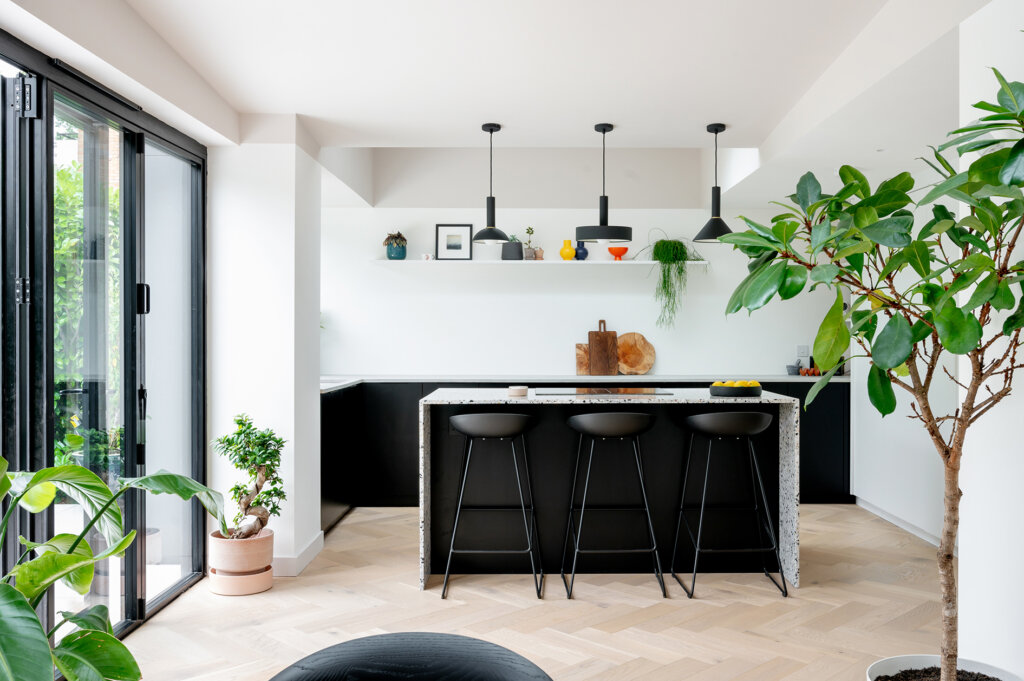
Where to begin
There are three crucial factors to consider at the beginning of your renovation journey: lifestyle, time and budget. Think about your daily routines. If you’re a young family you’ll ideally want a durable floor that can withstand spills, toys being dropped, and the constant patter of little feet (or paws). Perhaps you’re empty nesters? You might prioritise statement flooring with bold character that showcase the natural beauty of wood to become a talking point in your home.
Setting realistic budgets and timelines requires honest conversations early on. Matt Goss from one of our official Ted Todd retail partners, 1-1 Flooring, advises “Understanding the cost differences between products will give clearer direction on which option to choose”. Take your time to research types of flooring, laying patterns, technical construction and installation methods, to decide which will partner best with your lifestyle and budget. Ted Todd offers a range of collections to suit different needs and budgets. The Project and Warehouse collections deliver excellent value, combining quality and style that works across a wide variety of spaces. For something more distinctive, the Specialist Woods collection features unique and limited-edition floors that offer truly one-of-a-kind character. And for those seeking something entirely individual, fully bespoke flooring is always an option—crafted to your exact specifications for a truly personalised finish.
For timings, focus on the rooms you’d like to cover. Will the flooring run across the whole house, meaning the stairs may also need to be renovated? Think practically about your schedule as access may be limited between floors during building work, and extra costs may need to be budgeted with the need for bespoke stair treads and risers. Time for the wood to climatise also needs to be taken into consideration as we recommend leaving in a cool, dry space for 3 days before checking over the wood boards then moving onto installation.
Before any flooring installation, it’s essential to assess the condition of the sub-floor. One of the most critical checks is for moisture which your professional fitter should deliver to ensure that the sub-floor is completely dry, with a moisture content of no more than 12%. In addition to being dry, the sub-floor must be level, clean, and structurally sound. Without a solid and stable foundation, you could run into issues with your flooring later on. For more detailed guidance on preparing your sub-floor, be sure to read our installation guide and reference our installation products to double check you and your fitter have everything to hand before the work starts.
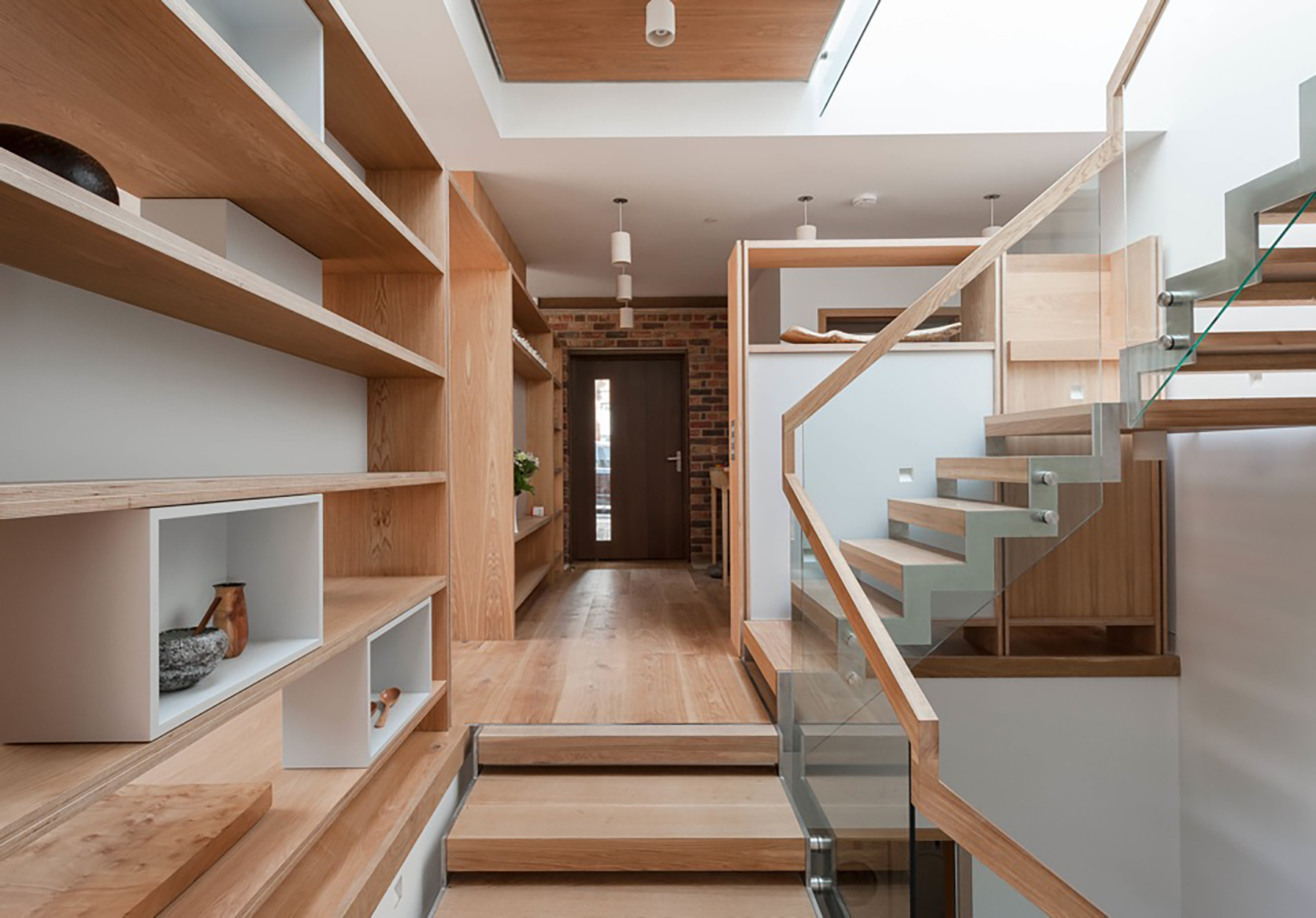
Underfloor heating & construction
Underfloor heating has become an incredibly popular and energy-efficient addition in modern builds; using renewable energy it offers comfort and practicality. Ted Todd’s engineered wood floors are all compatible with under floor heating, but it’s important to regulate the temperature to avoid any movement and maintain the structure of the floor.
If you’re steering towards a 20mm thick product, which offers maximum stability and durability over time, Matt advises on a secondary heat source. “Always contemplate secondary heat sources like radiators, or air conditioning units for 20mm thick boards, especially in larger open-plan spaces that can be challenging to heat sufficiently. The subfloor mustn’t exceed 27 degrees for most wood floors.”
A clear understanding of floor construction will help you with your final decision. Engineered wood flooring is designed for durability and stability, with multiple layers of solid wood, each layer running in a different direction to reduce the woods natural tendency to expand and contract. Ted Todd include 2 and 3-ply constructions with generous 4-6mm wear layers that both offer excellent performance and long-term reliability.
Solid wood floors are made from a single piece of hardwood that can be sanded and refinished almost an unlimited amount over its life, though they can’t be used with underfloor heating. Think of engineered wooden floors as the practical choice that adapts to modern day living, whilst solid wood floors represent more traditional craftsmanship.
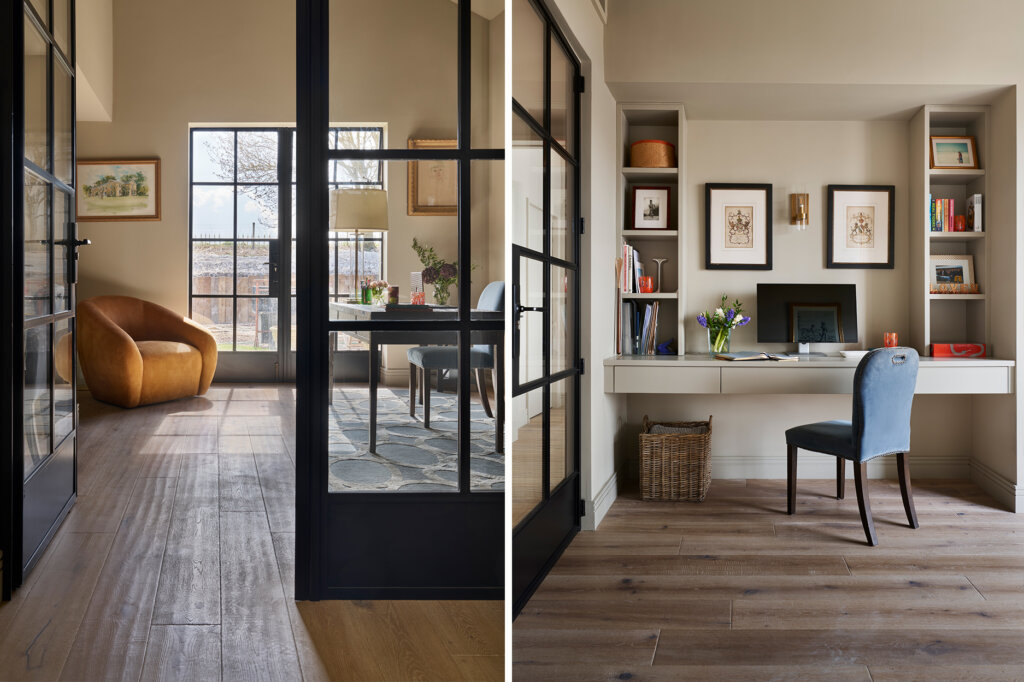
What’s already beneath your feet?
Before replacing your floors, assess what’s already there. Original aged or reclaimed flooring adds genuine authenticity, luxury and value to your home. Even tired engineered floors can be revived.
In fact, this is one of the top advantages of opting for a wood floor. Instead of ripping out any existing wood flooring, consider restorating it; carefully sand, repair any damaged areas, and apply high-quality stain and finish to give your floors a new lease of life- without the hefty expense of replacement.
In some cases only singular boards need attention, especially in busy family homes where foot traffic takes its toll. Tackle it section by section rather than feeling pressured to re-sand the entire space. This sustainable approach not only saves money but preserves the character and craftmanship already in your home.

Why choose wood over LVT?
When starting from scratch, many renovators are drawn to wood floor alternatives like LVT (Luxury Vinyl Tile), which mimics the appearance of real wood. While it may seem like a practical choice, real wood flooring delivers benefits LVT doesn’t cover. Envision your renovation project as a long-term investment in creating a beautiful home, and wood flooring delivers on every front; authentic style, added value, and exceptional longevity, with both solid and engineered floors have the ability to be beautifully restored time and time again. Just look at the old oak flooring still found in centuries old stately homes and castles, it’s a timeless choice that refuses to be boxed into a trend, standing the test of time.
Jon Ashbrook, Head of Product Development at Ted Todd says “When LVT gets damaged, typically through furniture movement or poor installation, replacement is usually the only option making it a costly solution, especially in big open-plan spaces. Equally damaging is the effect to our environment, air quality and health with LVT’s containing VOC’s, plastic and non-biodegradable materials inevitably ending up in landfill. Meanwhile, our flooring at Ted Todd is sustainably sourced from European Oak in FSC-Certified forests, made from 100% recyclable materials like oak, birch and eucalyptus, all completely biodegradable.”
In terms of design technology LVT has come a long way in recent years but still consists of man-made repeats, while real wood provides natural colour variation, and unique features that develops a rich patina overtime, with no two boards being the same.
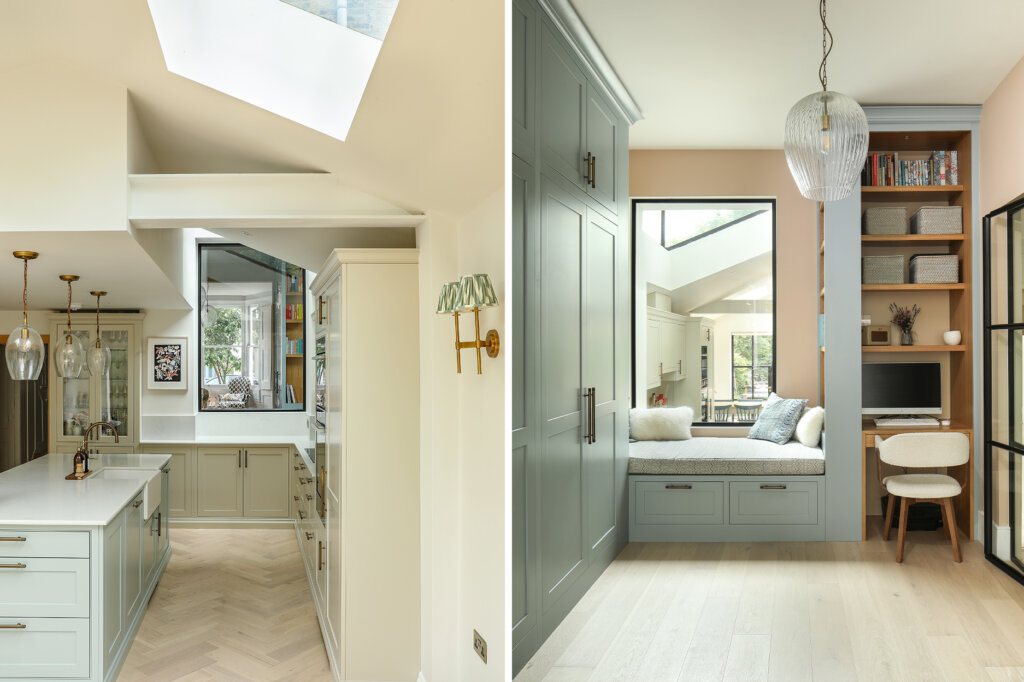
Perfecting your scheme
Design is deeply personal, and your home should be the perfect reflection of who you are. Since flooring is such a long-standing investment, choosing one you truly love is crucial to getting your renovation right first time.
Start by figuring out how you’d like to feel in the space. Looking at your property’s architectural style can be a great influence to guide your design choices, whether it’s a Victorian semi, converted farmhouse or completely new build. Light, neutral oak tones bring a fresh, airy feel, perfect for a calm Scandinavian interior. Richer, chocolatey hues create a moodier, cocooning space that feels warm and intimate. For those who like to make a statement, bold, black floors make for a luxurious feel that adds elegance and theatre.
What makes oak floors particularly special is how versatile they are, by naturally evolving through time either by ageing, or re-sanding and re-staining, giving you the freedom to re-fresh your interior style without starting from scratch.
As well as colour, consider how the grade of wood matches your interior style. Prime grade delivers an extremely clean, uniform appearance with minimal knots and variation, perfect for contemporary minimalists. Meanwhile, Rustic grade embraces the full beauty of natural timber, highlighting knots, sapwood and even saw marks for soulful, lived-in floors. Nature grade sits beautifully in the middle, balancing charm and uniformity for an organic yet refined look.
Renowned interior designer Matilde Le Vanille advises how she likes to begin her interior projects: “If you don’t know where to start with your renovation, look to the floor”. She recommends viewing flooring samples in different lighting conditions throughout the day “They’ll look totally different through tone and texture at 10am with the sun streaming in compared to evening with soft artificial lighting”.
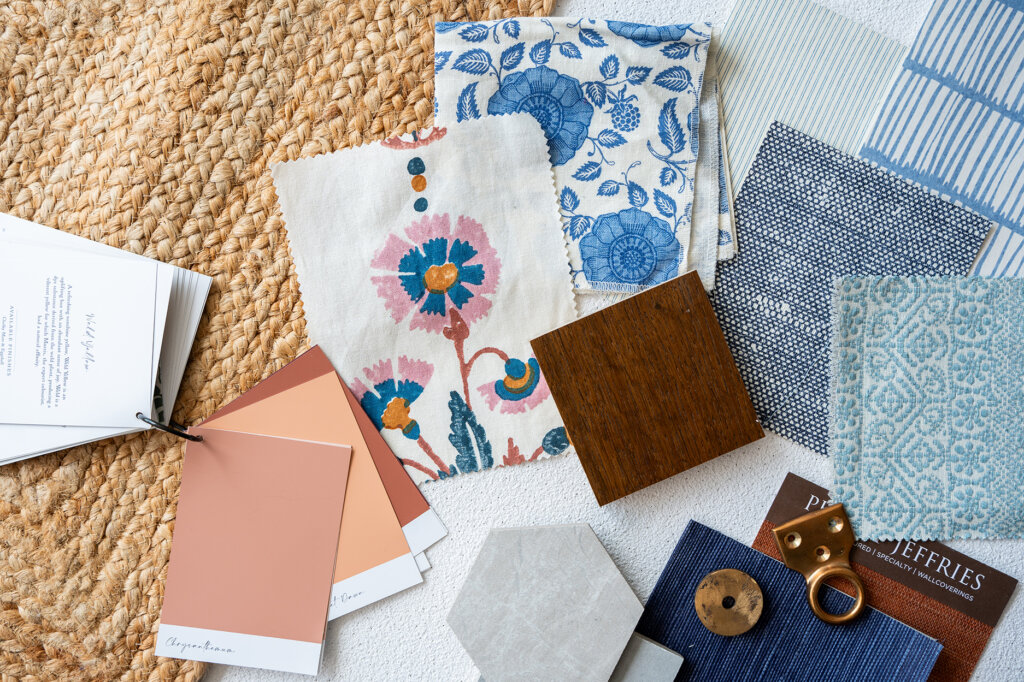
Texture plays a huge role in the overall stye you’re aiming for. Brushed surfaces with a natural oil finish will highlight grain and depth of the wood, while smooth satin lacquer finishes create a more clean appearance that reflects light around the space.
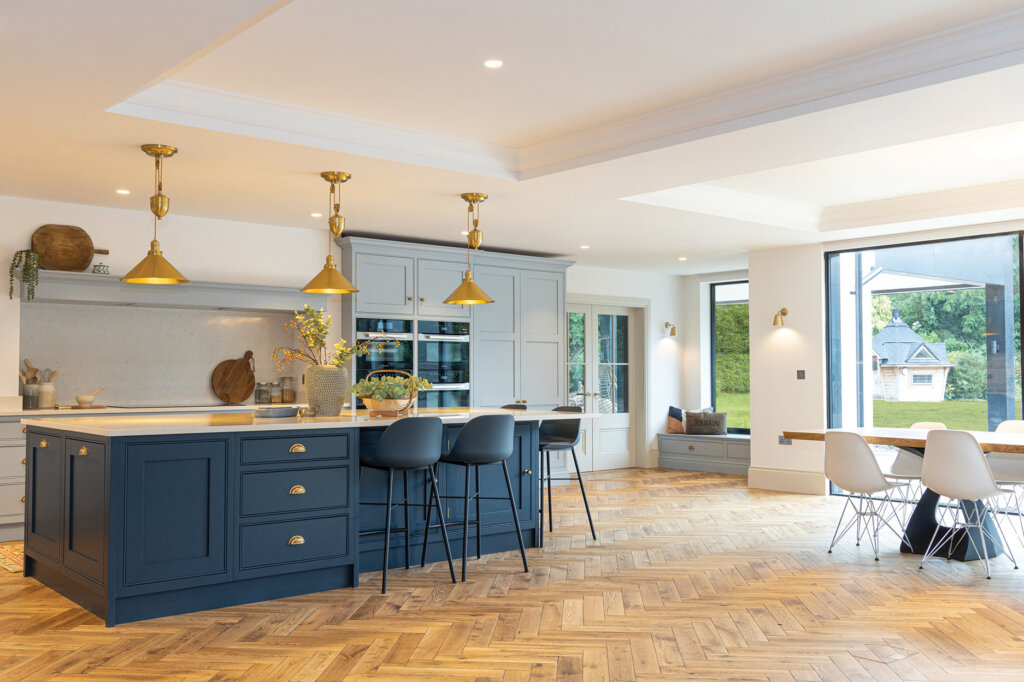
When it comes to laying patterns it’s all about proportions and visual flow. Chevron and herringbone can add warmth to smaller rooms, but may become lost in larger spaces. “Assess the scale of the room and how you’d like the flooring to guide the eye. Sometimes adding a border can help with direction”. In contrast, wide planks in small rooms can be overwhelming so it’s essential to consider the coverage of each area. Designing with varied laying patterns can also be a subtle way to zone your space to bring a sense of difference to open-plan areas, making your home feel more intimate by mixing up the tones and textures.
Matilde’s top tip? “If you’re using lots of glass, that’s hugely popular in modern homes right now, choose wood flooring. It’s an excellent sound absorber that helps eliminate the echo and coldness glass can create”
How to take care of your flooring investment
Renovation doesn’t end with installation, it’s about long-term care. Treat your floor like you would an expensive piece of furniture; wipe spills quickly, use blinds or curtains to protect from intense sunlight, and clean only with recommended products like our Ted Todd Care Systems. With responsible care, your floor can stand the test of time, and we stand by that with a 30 year guarentee on all Ted Todd floor purchases, giving you added peace of mind and long-lasting quailty.
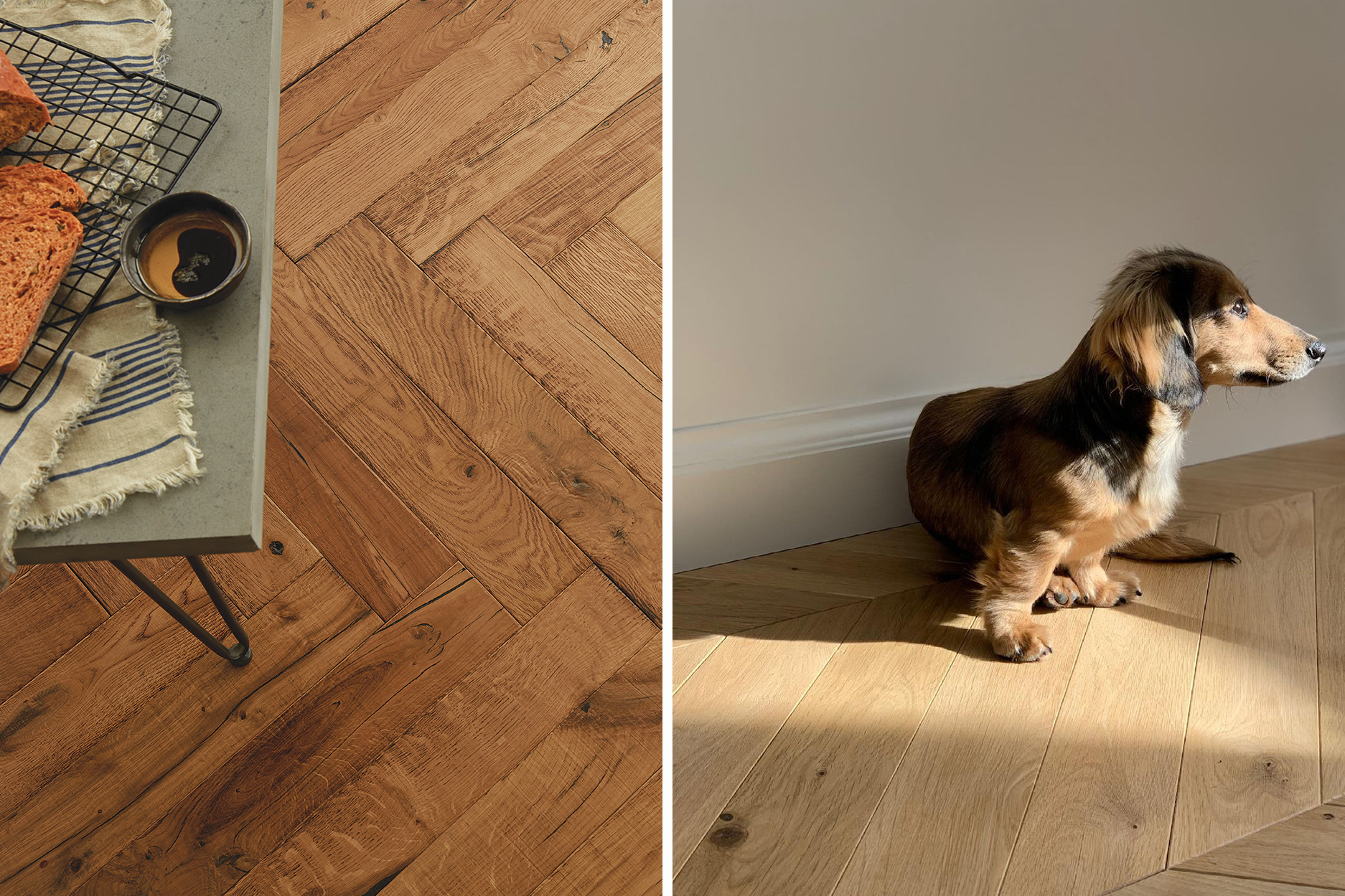
If you’re worried wood floors and pets don’t mix – relax. If accidents and muddy paws are cleaned up promptly your furry friends will enjoy your wood floors just as much as you will. It’s easy to be tempted by the ease of steam cleaners, but these will add moisture potentially causing warping and damaging the floors structure. Honestly, it’s not as complicated as some make it seem, all you need is a Ted Todd care kit, mop and bucket, and with a few minutes of maintenance your floors will keep looking their best for years to come. For more details you can read our floor care and deep cleaning guide.
A successful renovation doesn’t just follow trends, it enhances your lifestyle and the value of your property. Trust us, there’s no better foundation than a welcoming, beautiful oak floor that’s built to carry footsteps for generations to come.
For help with your next renovation project, book a design consultation to speak with our team of wood floor experts who can offer advice and guidance to help you choose the perfect floor for your home. Or plan a visit to one of our approved Ted Todd retailers who can arrange everything from ordering, down to installation.